
Menu
Rural YunnanWinter SchoolSociety, Psychology & Economics
An interdisciplinary field research programme on tea, coffee and rural life. Meet the people who grow Yunnan’s tea and coffee, and investigate how their work connects with what we choose to buy.
Language of Instruction: Mandarin Chinese
- FIELDWORK DATES (PROVISIONAL)
- 29 Jan – 3 Feb 2027
- DURATION
- 6 days / 5 nights
- LOCATION
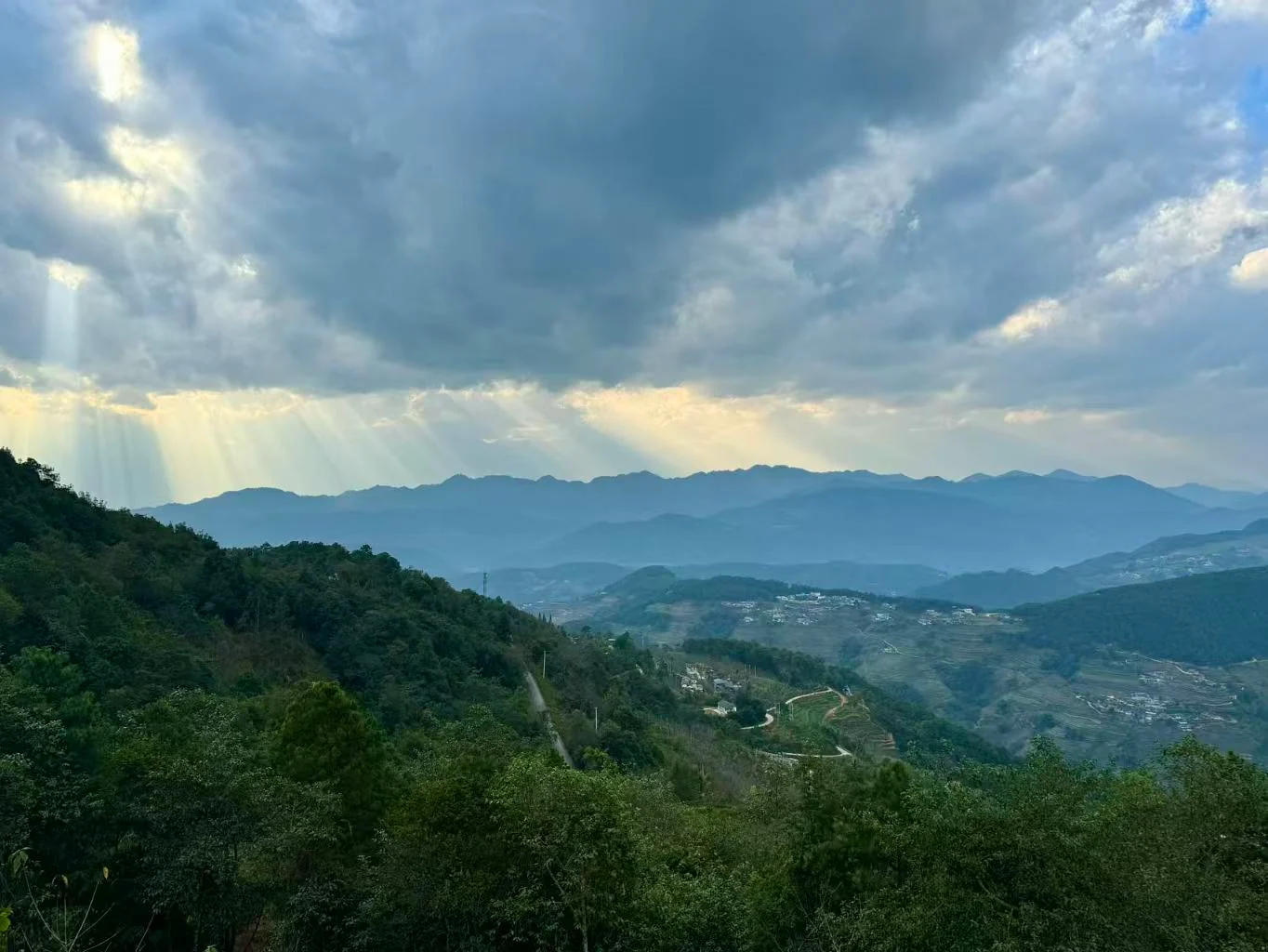
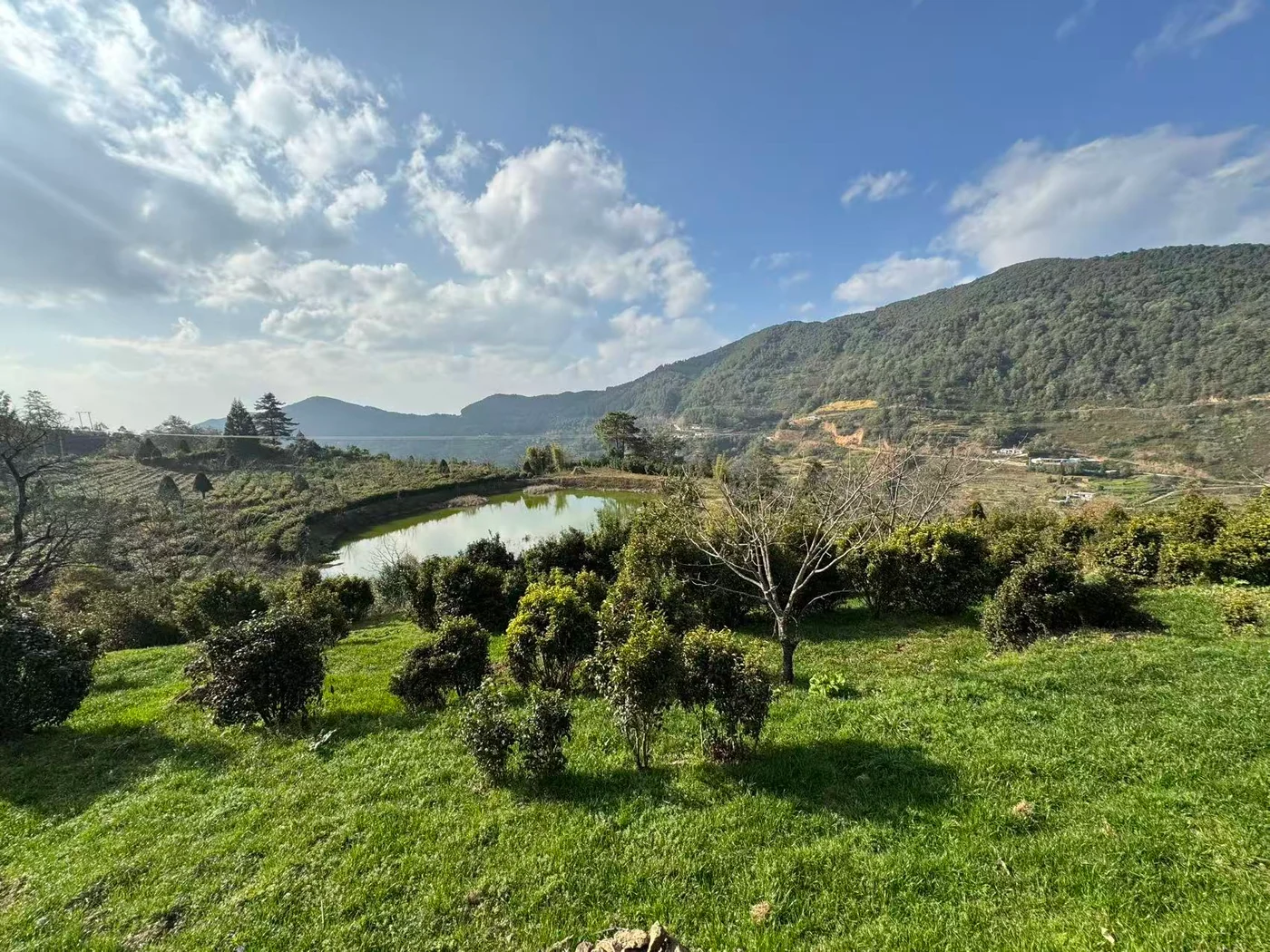
- Jingdong · Pu’er, Yunnan
- AGE GROUP
- Ages 15–18
- PLANNED GROUP SIZE
- 8–12 students
Tea, coffee and rural livelihoods
When we buy a cup of coffee, we notice its taste, price and packaging. But what does the same cup mean to the farmers who grow the beans?
In Jingdong, in Yunnan’s Pu’er region, you’ll compare what consumers, growers and sellers tell you about tea and coffee. You’ll use interviews and observation to answer a specific research question, then present your findings in a form others can understand.
Students work in three small groups, with academic mentors, residential staff and local coordinators supporting research and day-to-day activities.
The Qianli Project: a look back
1:49See students on field visits and in discussion during a previous Qianli Project. The film is in Mandarin Chinese.
Playback has not started. Please try the play button in the lower-left corner of the player.
Society
Consider how families share farm work, welcome guests and support their neighbours. Interviews with local residents will help you understand how changes in the tea and coffee industries affect village life.
Psychology
Why do we choose one drink over another? Examine how a product’s origin, brand and the setting in which we drink it influence what tastes good and feels worth paying for.
Economics
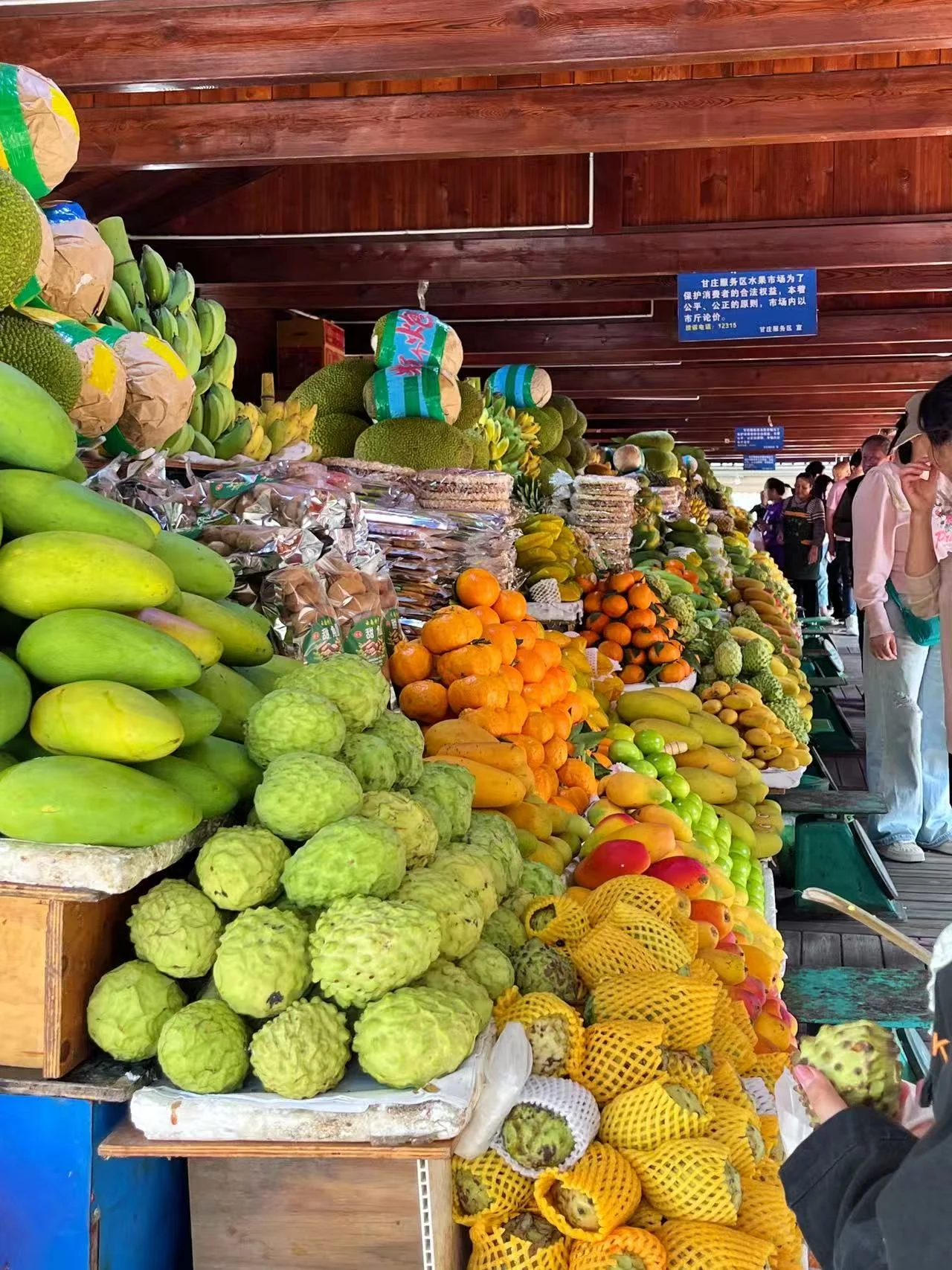
Study how buying and selling link urban demand with rural production and what changing expectations of quality mean for farmers’ work, skills and products.
From questions to fieldwork
Your group will investigate one specific question. Mentors will help you plan interviews, use research tools and review your work, drawing on T.School’s experience of teaching research design in its psychology summer schools.
Interviews and observation
Learn to conduct interviews using a prepared set of questions while following up on what people say. Record their words and observe the details of their work and daily lives.
Comparing accounts
Look for recurring themes in your interviews, then compare the accounts of consumers, growers and sellers. Check your interpretations against your notes and observations.
Checking and revising your work
Ask the growers and processing staff you interviewed to check the facts in your work. Then invite two or three consumers to read or view it, and revise it in response to their feedback.
Start with consumer interviews
15–28 January 2027
Before travelling, complete two interviews with tea or coffee consumers and join two online workshops. Your mentors will help you organise the material and decide what to investigate in Yunnan. Allow around five to six hours in total; students outside Shanghai can conduct their interviews remotely.
Six days in rural Yunnan
The six-day programme combines interviews with tea and coffee producers, time in a local household, forest observation and group project work.
Arrival and first discussions
Arrive in Jingdong, share the findings from your consumer interviews and agree on the questions and roles for your group’s fieldwork.
Coffee production and a family New Year feast
See how coffee is grown and how freshly picked cherries are processed. Later, join a farming family for meal preparations and a shared evening feast.
Tea production and field notes
Visit tea gardens and learn about processing and products, comparing what you find with consumer demand. After travelling to the next location, organise your interview notes and observations.
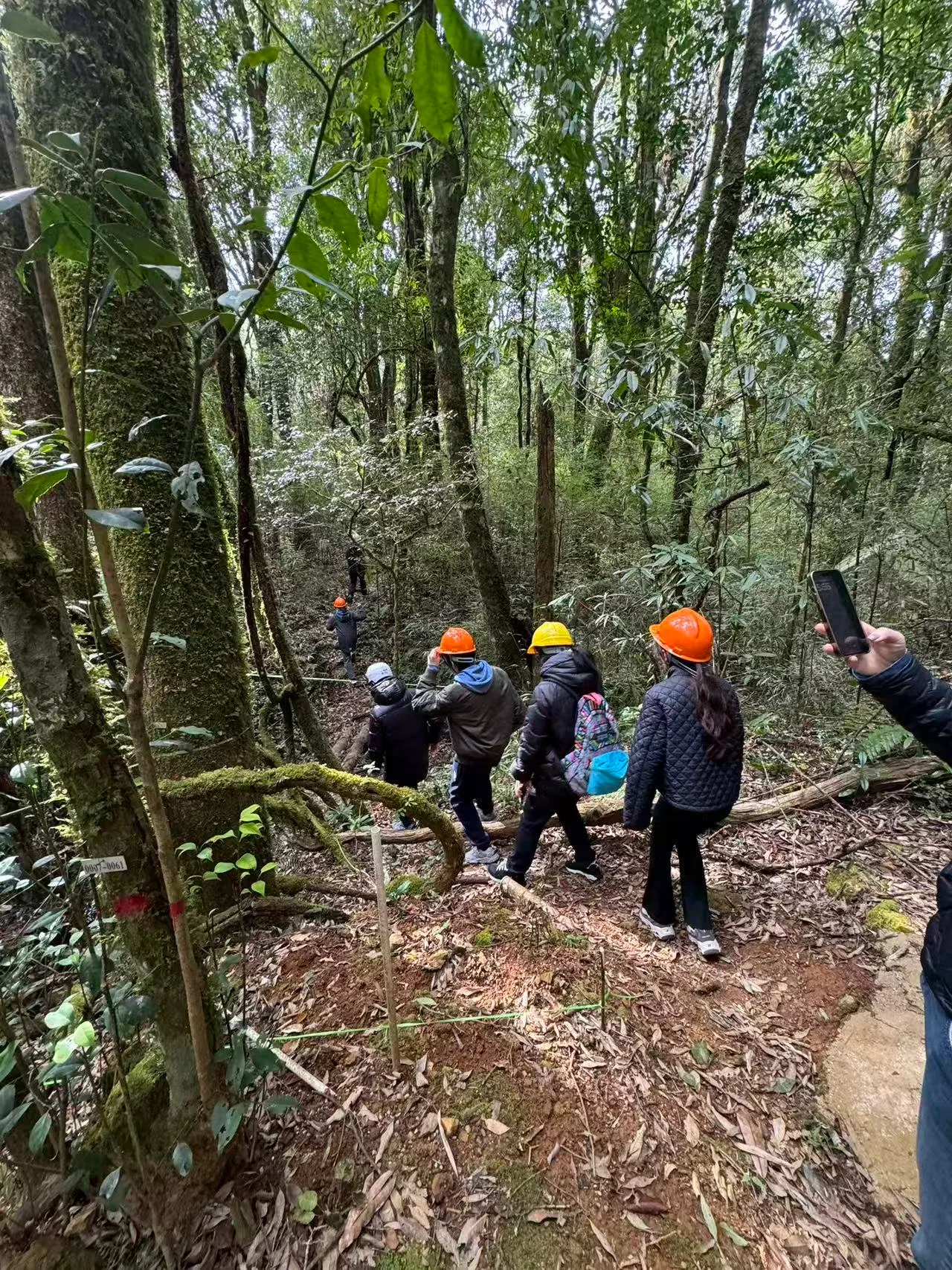
Forest research at Ailaoshan
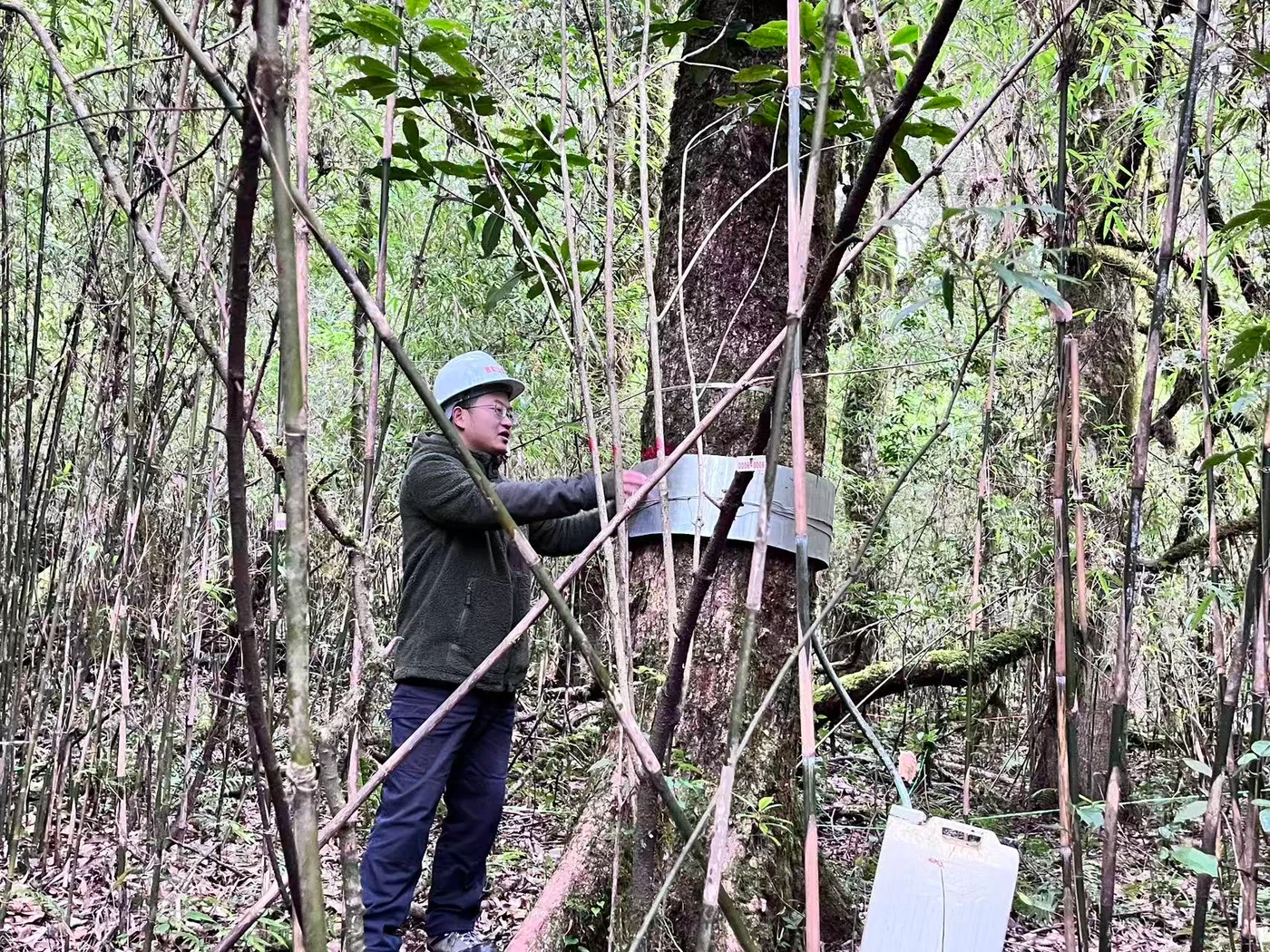
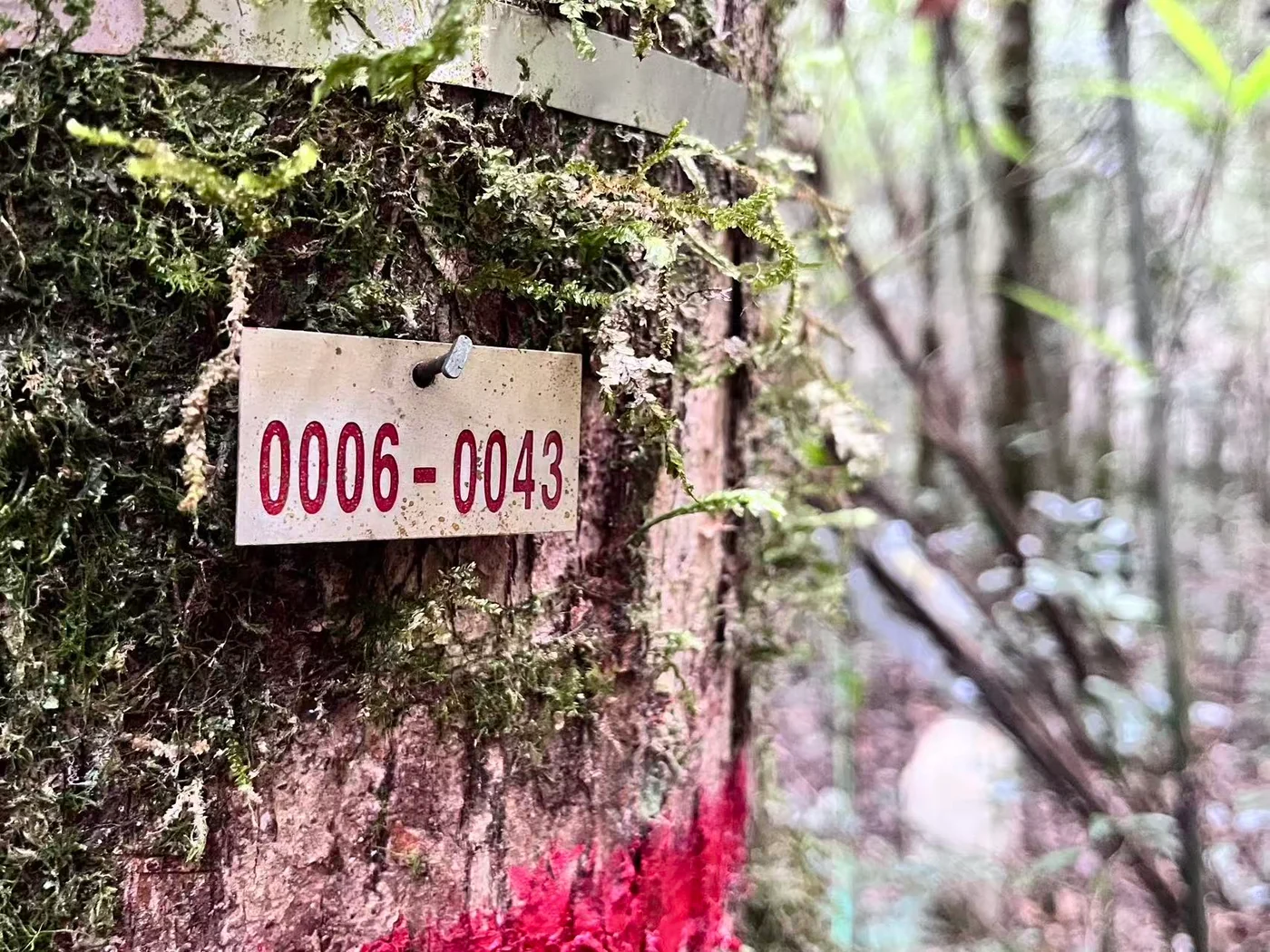
Plans include a scientist-led visit to the Ailaoshan Forest Ecosystem Research Station, subject to confirmation. The station is part of the Xishuangbanna Tropical Botanical Garden, Chinese Academy of Sciences, and studies forests through long-term ecological monitoring.
Project feedback and group presentations
Check production details with interview participants, gather feedback from consumers, and revise your project before presenting it to the group.
Departure
Take your finished project home, along with questions you may want to investigate further.
This itinerary is provisional. Visits, the family feast and forest routes depend on local production schedules, host availability and weather. We’ll confirm the final arrangements and visit order before departure.
Coffee harvests and village traditions
Winter is usually coffee harvest season in Jingdong. Where production schedules allow, you’ll see coffee cherries being picked and processed. You’ll also spend time with local residents as they prepare for Lunar New Year.
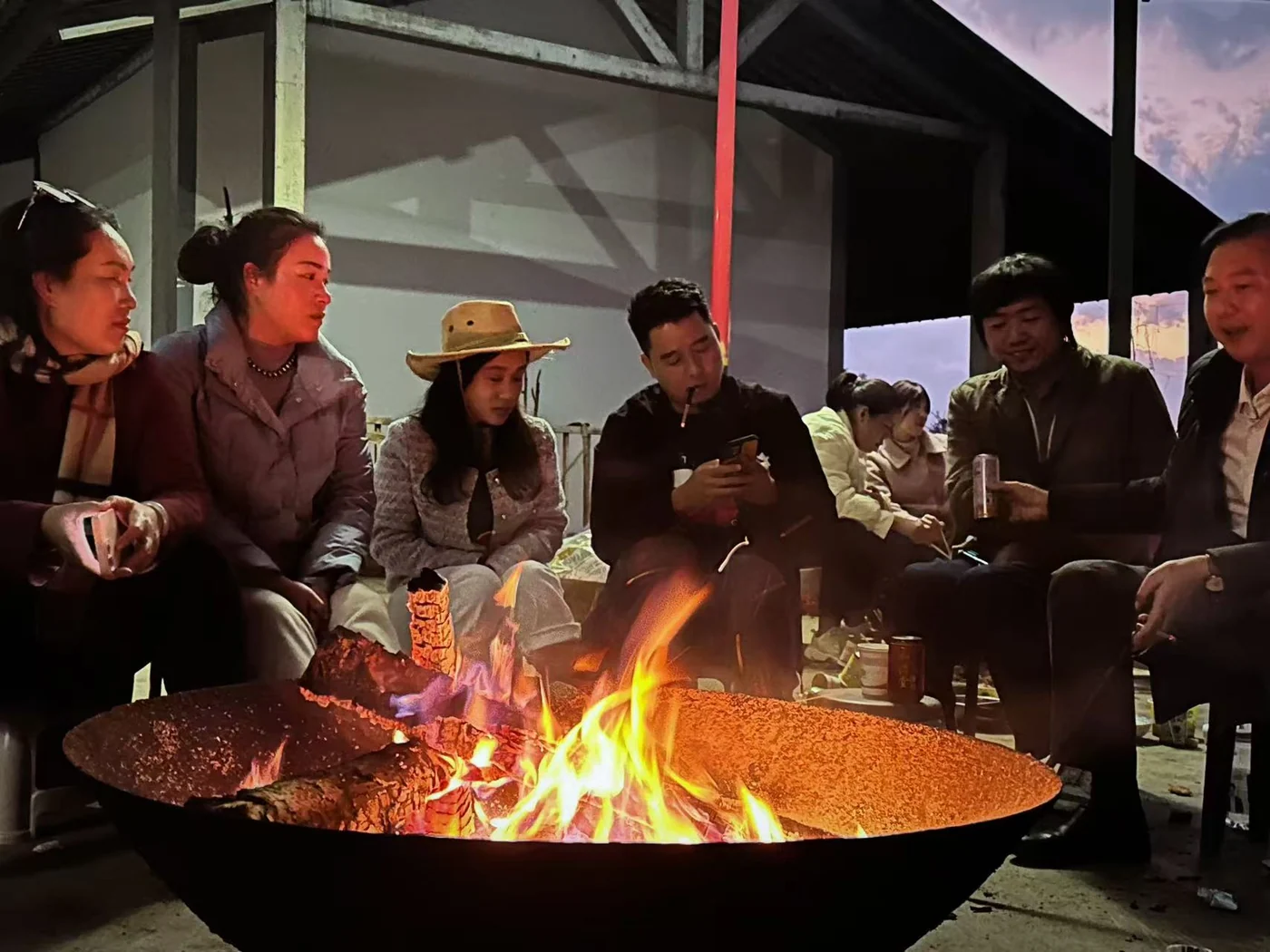
A traditional New Year feast with a local family
Subject to host availability, spend an afternoon and evening preparing and sharing a meal with a farming family. This feast is part of sha nian zhu, the tradition of slaughtering a pig before Lunar New Year and sharing the pork with relatives and neighbours. The visit focuses on the meal and local hospitality.
Forest observation at Ailaoshan
Learn how scientists record changes in the forest over time and use their observations to frame research questions. Activities and routes will depend on the confirmed visit arrangements and local conditions.
What you’ll create
Your group will bring together interviews with consumers, growers and sellers to answer a question about consumption and rural life. The final project should make your findings clear and show the evidence behind them.
Two or three key findings
Choose two or three findings that answer your research question, and support each one with interview accounts and observations.
Choose how to present your findings
Present your findings as a set of information cards, a research display, an audio piece or a short film. Choose the format that best suits your material.
A one-page methods note
Explain who you interviewed, how you analysed the material and which questions remain unanswered.
Your individual learning record
Keep key interview notes, observations, project drafts and revisions. Add brief written or audio reflections on your contribution and any changes in your thinking.
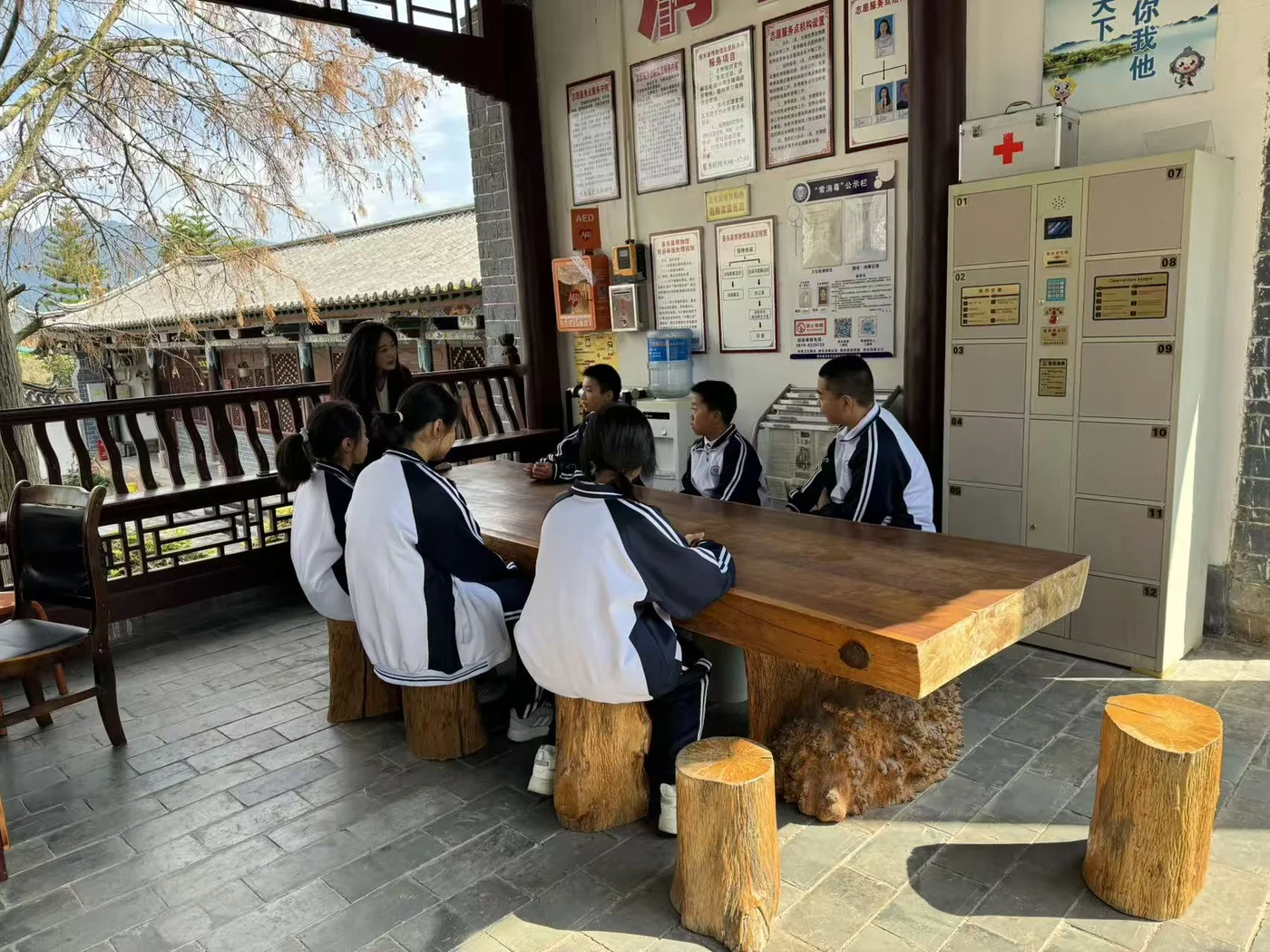
Use open-ended questions in group interviews, with students sharing responsibility for leading, following up and taking notes. Compare where participants agree or differ, then check your interpretations against the interview records.
Our work in Yunnan
Huadong’s work in Pu’er spans teacher training, student fieldwork and school exchanges, supported by local government and schools.
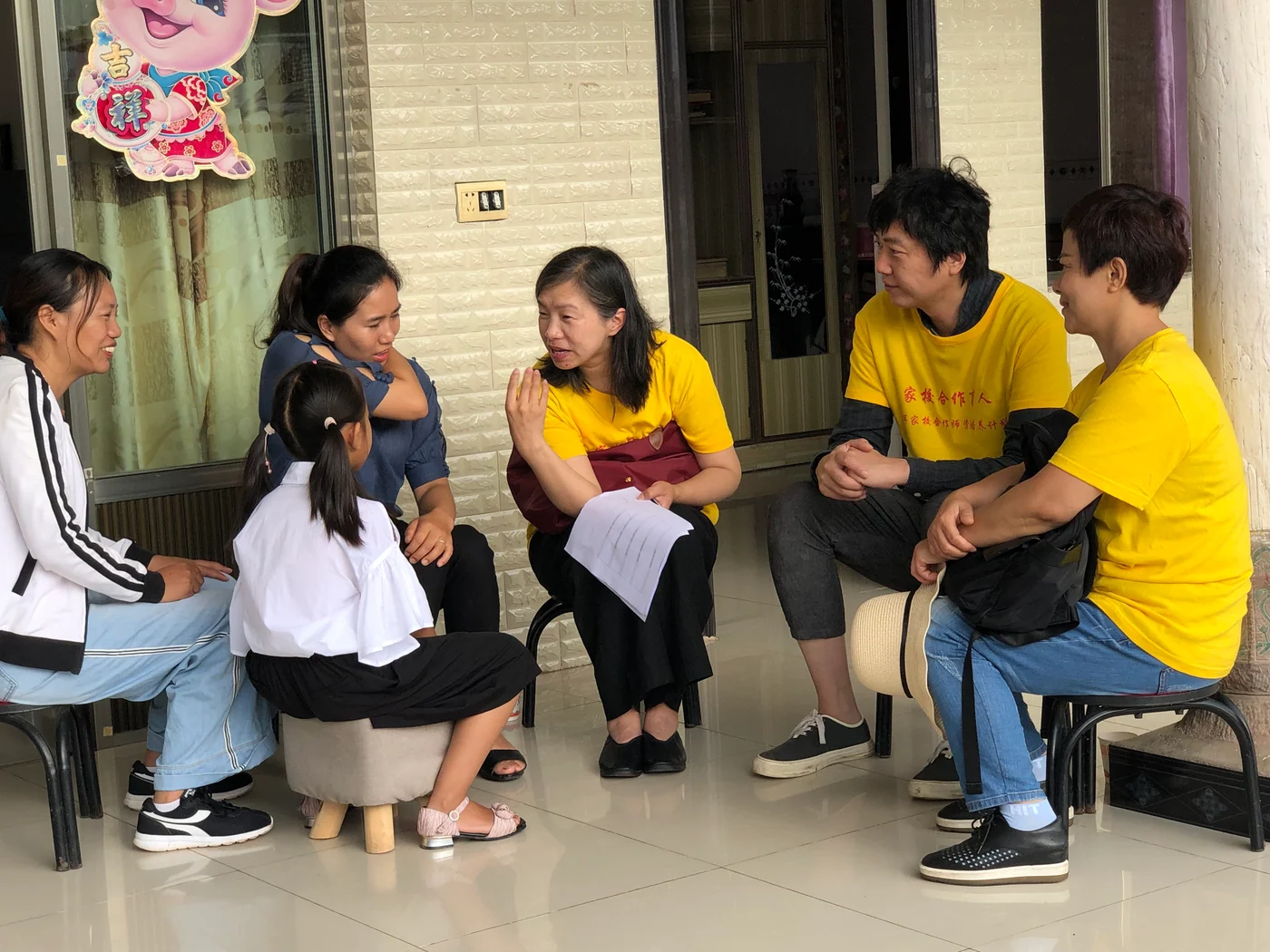
2019–2021
Provided free family education training to 1,000 teachers in rural Pu’er between 2019 and 2021.
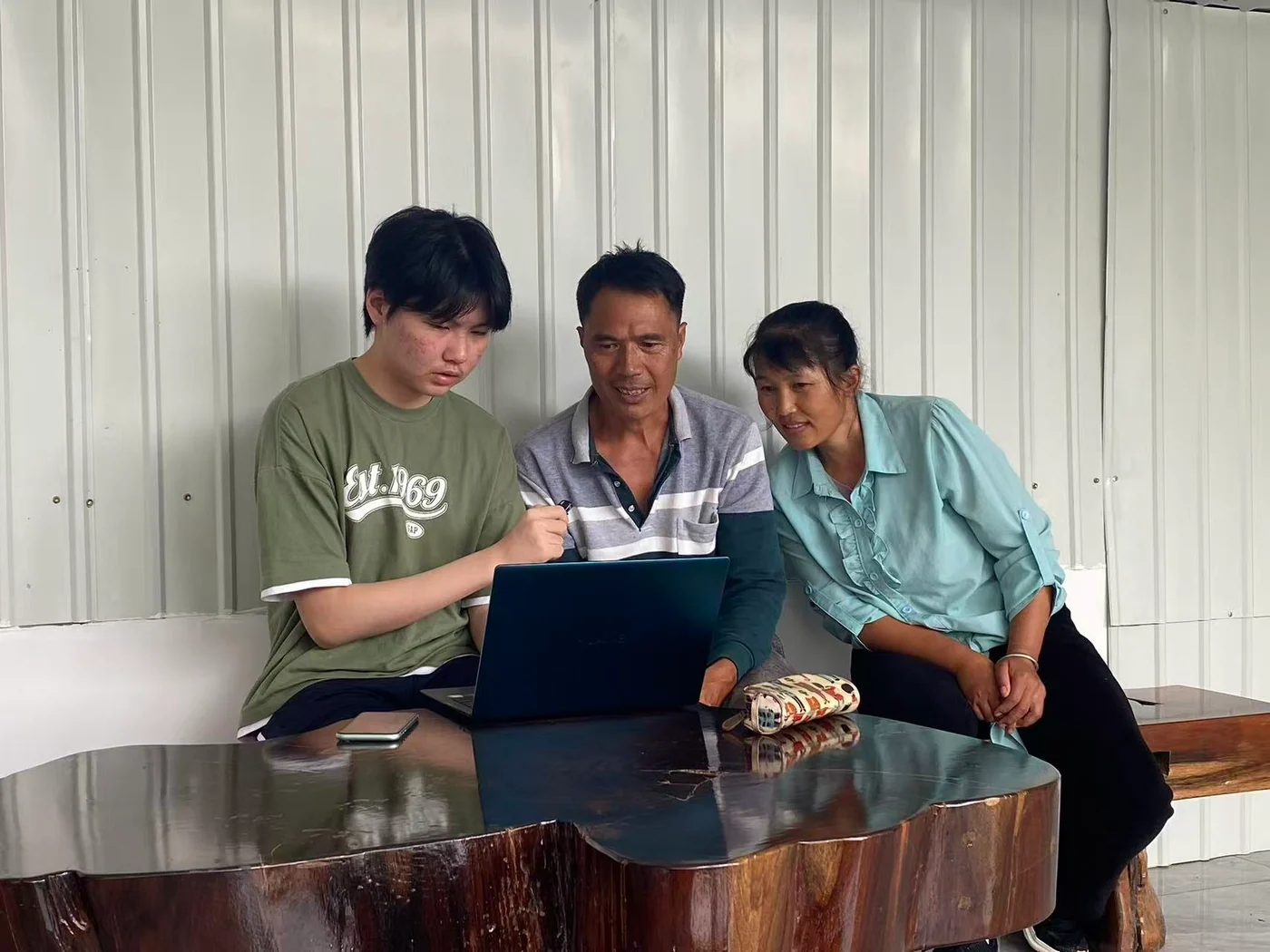
2023
Organised linguistics fieldwork in Yunnan for secondary school students from Shanghai.
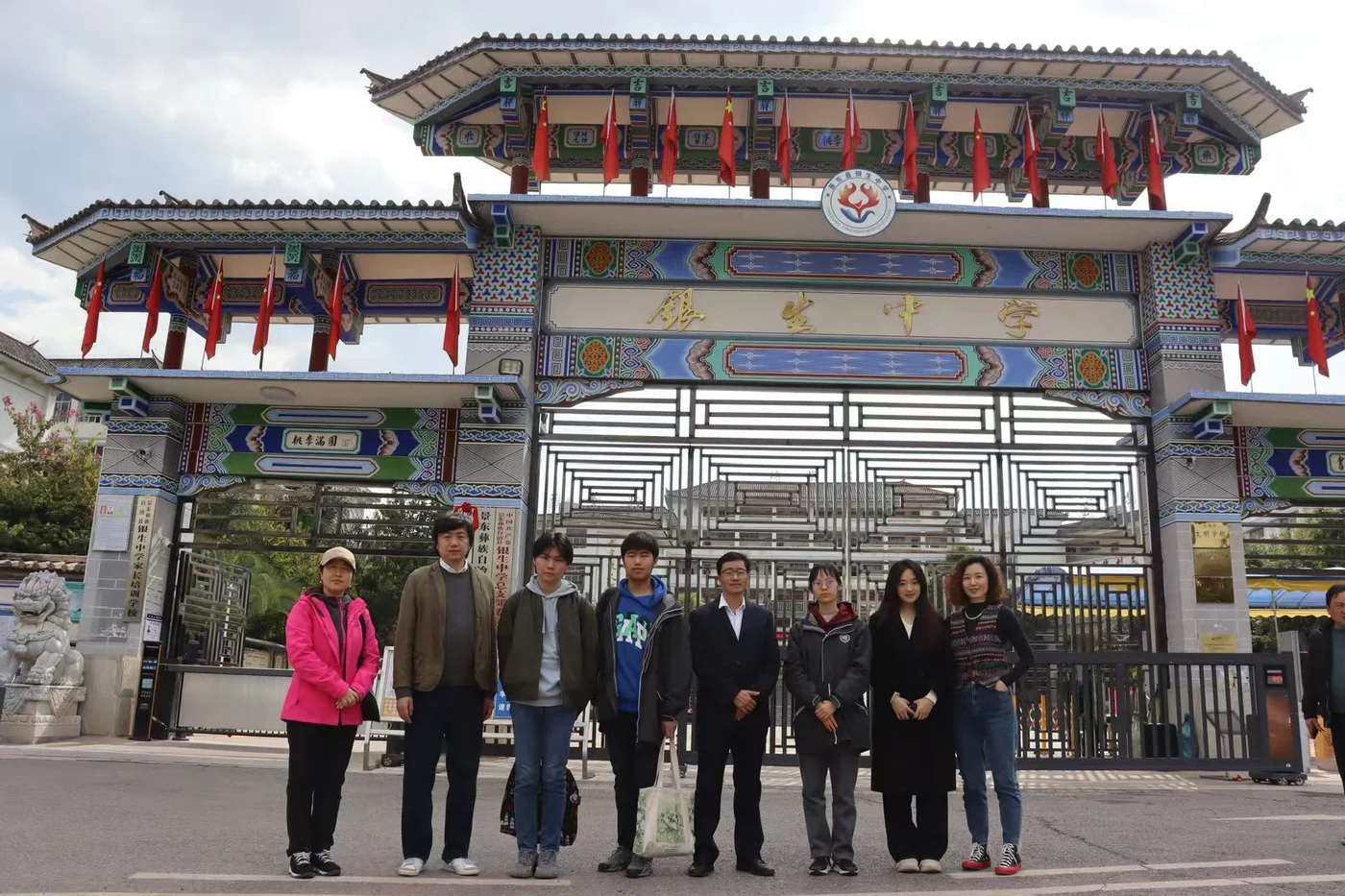
2024
Organised a winter fieldwork exchange with junior secondary students at Jingdong Yinsheng Middle School. Visiting students came from the High School Affiliated to Fudan University and Shanghai World Foreign Language Academy.
Join the 2027 Winter School
CNY 21,800 per participant
Please contact a programme adviser about travel to the meeting point and registration arrangements.
Dates: 29 January–3 February 2027 (provisional)
Six days and five nights. We plan to welcome 8–12 students.
Upper-secondary students aged 15–18
We welcome students interested in human behaviour, rural life or local economies, who are willing to interview people, keep records and work with others. You may be at a mainstream or international school, or following an equivalent educational pathway.
Before you apply
Tell us about your interests and any research or group projects you’ve taken part in. A programme adviser will discuss your preparation with you and help you get ready for the fieldwork.
Questions about the programme?
Leave your contact details. A T.School programme adviser will contact you to discuss fieldwork, preparation or applications.
Frequently asked questions
How much preparation is required?
Allow around five to six hours between 15 and 28 January 2027 for two consumer interviews and two online workshops. Students outside Shanghai can conduct the interviews remotely.
Are the dates and activities confirmed?
The programme is provisionally scheduled for 29 January–3 February 2027. Visits, the family feast and forest routes depend on local production schedules, host availability and weather. We’ll share confirmed arrangements before departure. Contact a programme adviser about travel and registration.
Where were these photographs taken?
The photographs are from educational outreach in Pu’er in 2019, linguistics fieldwork in 2023 and the Qianli Project in 2024. Each caption identifies the activity and year.
填写资料
了解2026T.School思核夏校更多信息!