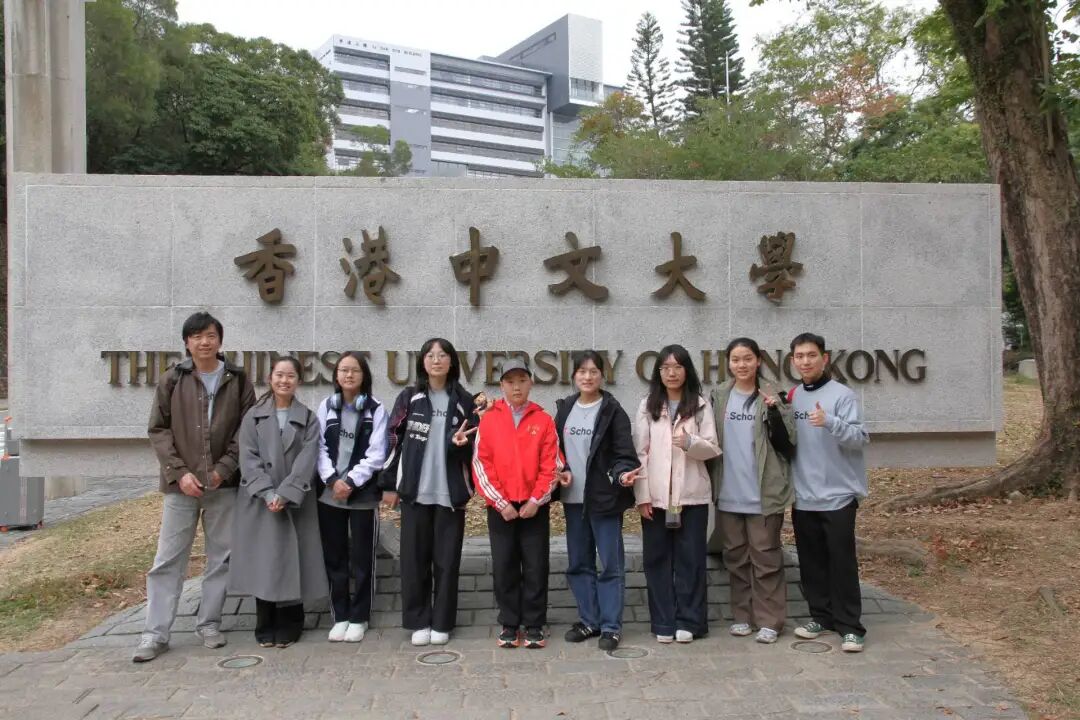
Planning a psychology study, one revision at a time
At the sixth Psychology Summer School in Shanghai, students learnt that an interesting question is a beginning. Turning it into a proposal takes discussion, revision and a good deal of patience.
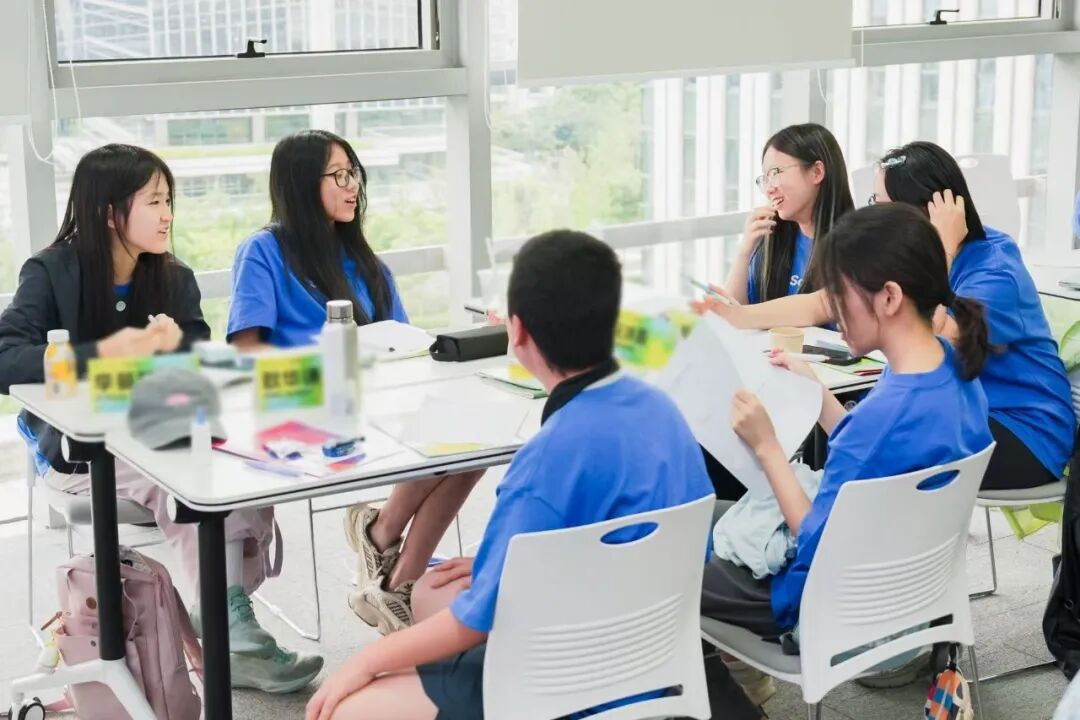
On the final day, five groups took turns presenting their research proposals. Their interests ranged from AI and young people’s mental health to attachment and crisis intervention. They explained the background to their questions, set out the variables they wanted to study and answered questions from the room.
A week earlier, many had been meeting for the first time. Some were also living away from home for the first time. Getting a presentation ready meant learning how to divide the work, disagree usefully and keep going when a plan needed changing.
Starting with a group of strangers
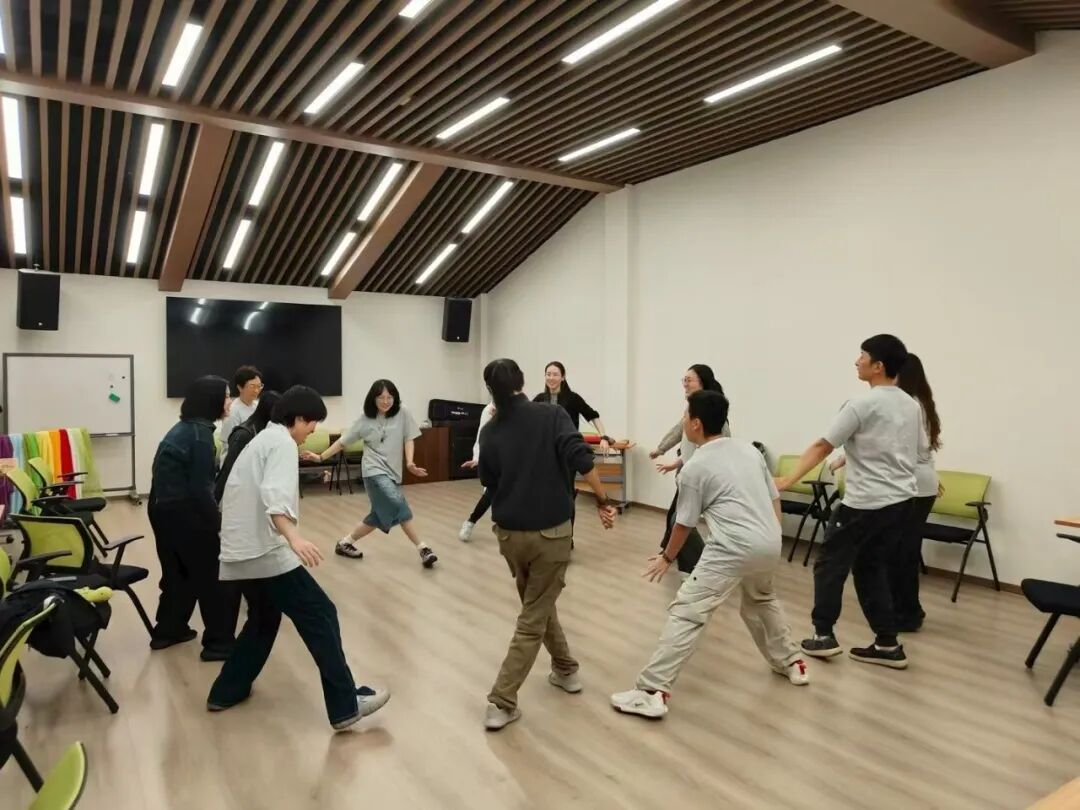
The programme opened with team activities and a shared agreement about how to live and learn together. Students introduced their interests, from music and drawing to personality and relationships. Those early conversations gradually made it easier to speak up in class and work with new people.
One student had expected to feel alone. Looking back, she remembered the friends she had made while preparing reports and speaking in front of others. Working through the pressure together was part of what made those friendships matter.

Getting to know the subject
Classes introduced psychology through familiar questions about perception, memory, emotion and thought. Students also encountered experimental methods, statistics, social psychology, criminological psychology and brain science.
The psychiatry sessions encouraged them to look beyond diagnostic labels and remember the person whose experience was being discussed. Teaching on counselling ethics raised another set of questions: what does confidentiality involve, where are the boundaries of a helping role, and what responsibilities come with it?


Alongside the lectures, morning check-ins and expressive arts sessions offered other ways to take part. Students used cards, clay, rhythm and improvised theatre to describe feelings and respond to one another’s stories.
Outside the classroom
During a visit to the Yangpu District social welfare institution, students sang for older residents and spent time talking with them. Conversations sometimes meant repeating a question, slowing down or simply waiting. Listening became a practical task that required care and attention.
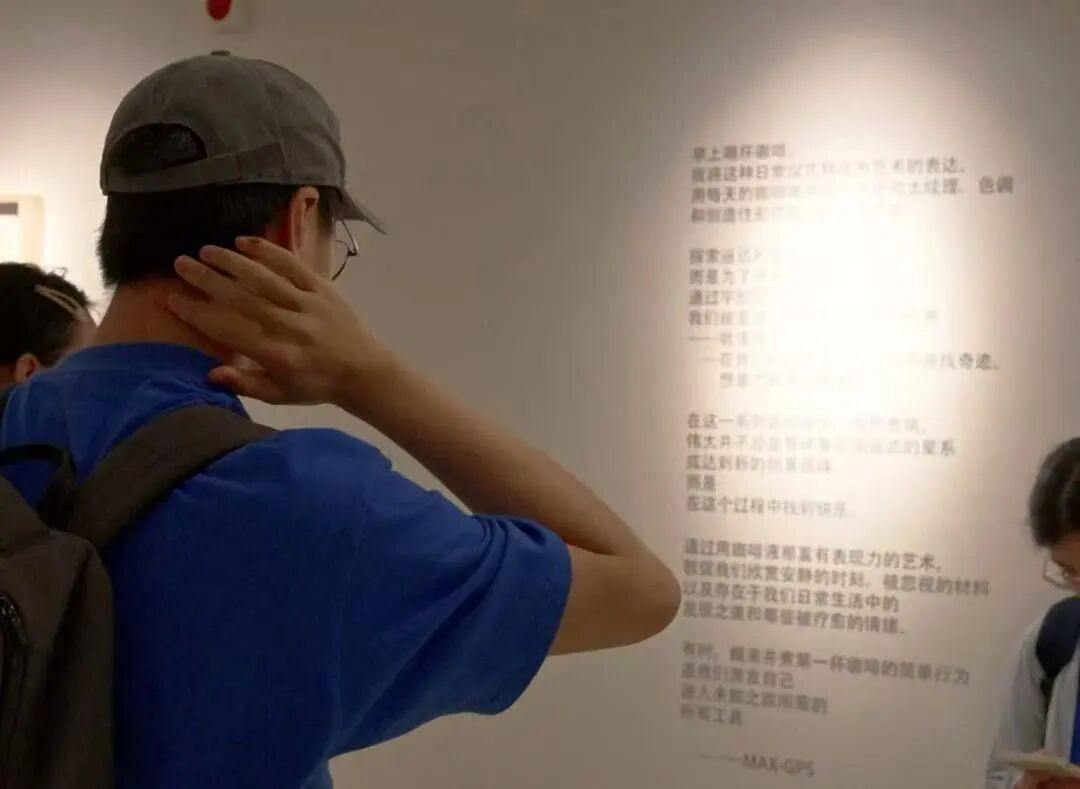
A visit to the gallery at Xin 600, a psychological counselling centre, introduced another form of expression. Students considered how people use images when words are difficult to find. Career workshops, meanwhile, brought questions about interests, abilities and future study into the discussion.

The proposal that kept changing
Research preparation was demanding. A broad topic had to become a question, with variables, a hypothesis and a method that the group could explain. Students went back over ideas they had initially thought were settled.
At a practice presentation, Dr Wu Yiwen gave feedback on their topics, variables and ethical considerations. Teaching assistants then helped the groups revise their methods and organise their arguments. Sometimes that meant changing a title; sometimes it meant rethinking how two variables were supposed to relate.

One student described the week as stressful, with unfamiliar topics and slides that never seemed finished. Another said the research work had made the subject’s scientific demands much clearer. These were proposals and early exercises in research design, rather than finished studies with established findings.
Questions to take home
Gao Wenbin, from the Institute of Psychology at the Chinese Academy of Sciences, commented on the five final presentations. He encouraged students to go beyond saying that a topic was interesting. Whose difficulty might it help explain? What real situation did it address?
There were other memories too: meals, board games, a birthday celebration and the photographs taken before everyone left. A parent noticed that their child was more willing to discuss ideas at home and could explain them more clearly.
The eight days gave students a first encounter with the subject’s breadth, and with the work involved in asking a careful question. Their proposals still had room to develop. They now had a clearer idea of how to begin.