Tea, movement and mental health: psychology across three cities
Tea, movement, museums and conversations about mental health: the February 2026 winter school followed psychology beyond the classroom, from Zhuhai to Hong Kong and Macao.
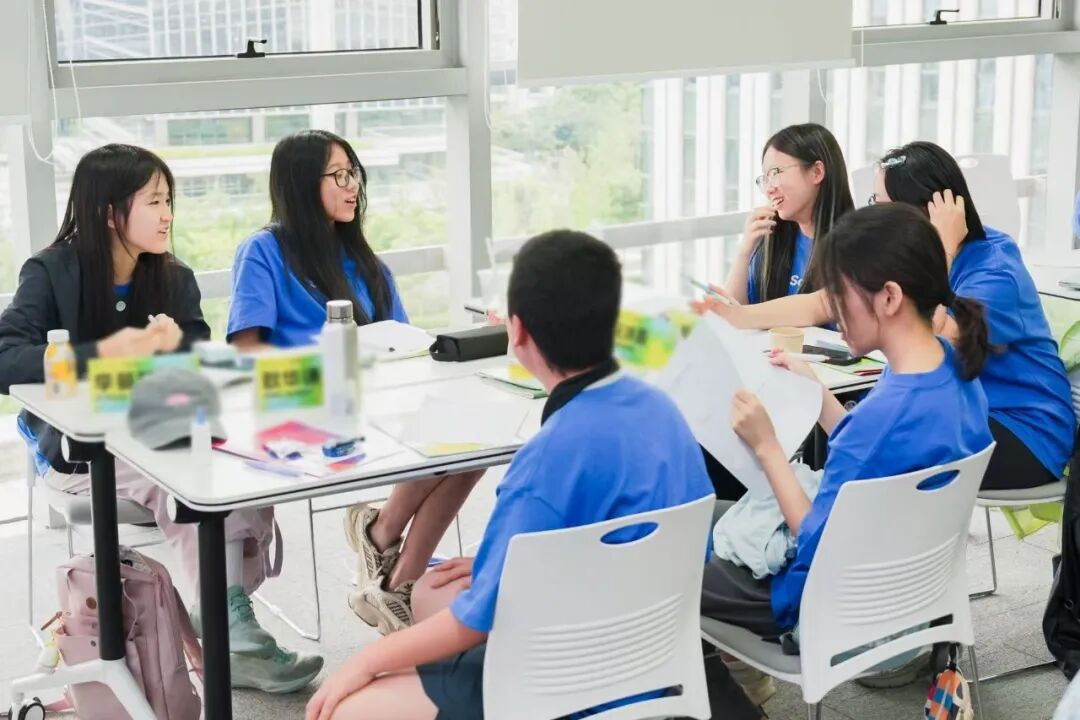
Students arrived at Beijing Normal University’s Zhuhai campus from cities including Shanghai, Shenzhen and Changchun. Over five days, they worked with tutors, made things together and visited places that offered different ways of thinking about people and their experiences.
By the closing afternoon on 12 February, the group had built up a shared collection of activities and ideas. Some were quite small: noticing a smell, finding a movement or choosing a word that felt accurate. They gave students something concrete to talk about when considering how they felt.
Beginning with the senses
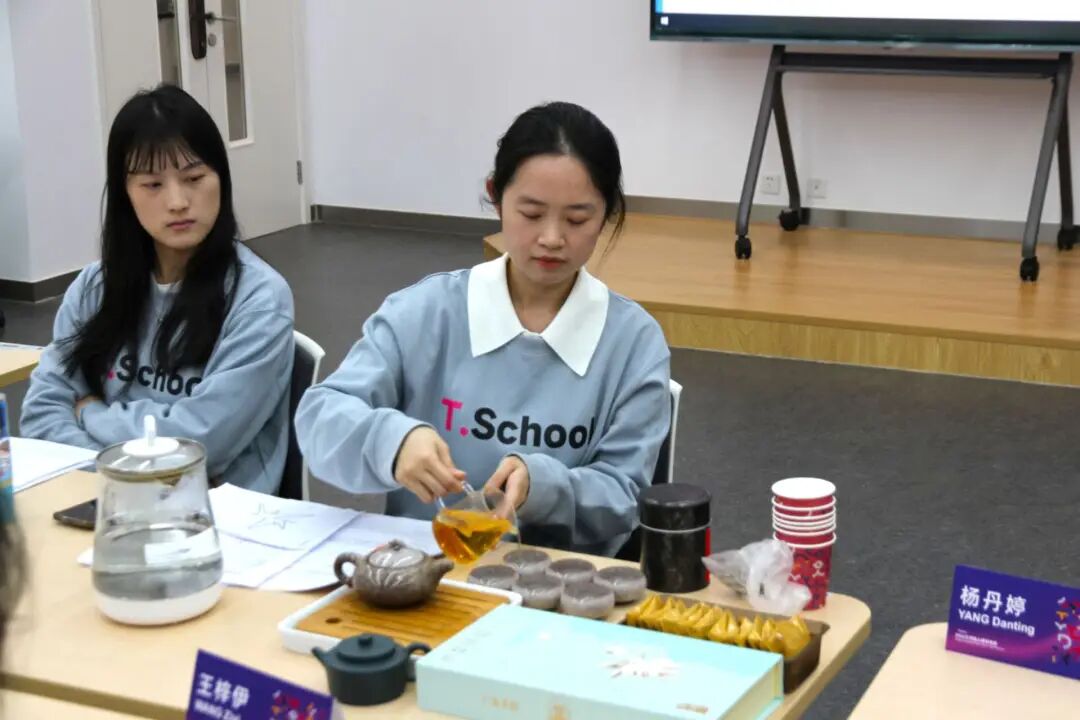
In an opening workshop led by Yang Danting, students paired poetry with tea and were introduced to embodied cognition: how our physical experiences relate to the ways we think. Taking time over taste and sensation offered an unhurried way to begin working together.
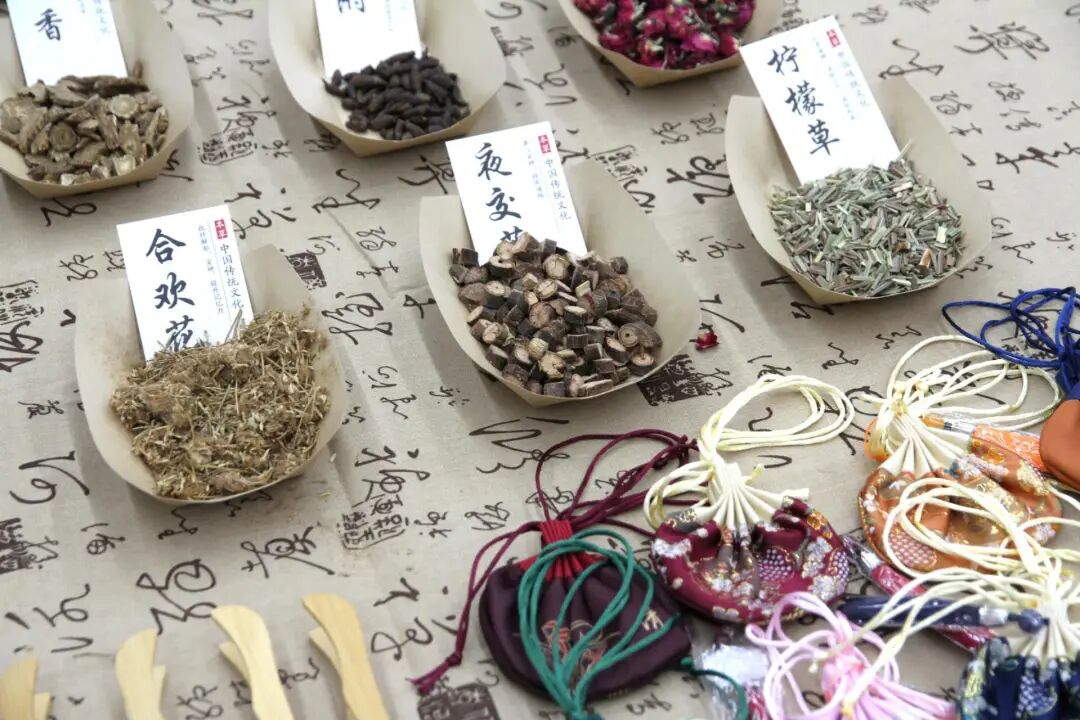
A session led by programme leader Lei Ni brought plants and scents into the room. Students made sachets, learnt about the materials and compared what they had noticed. Making something with their hands gave people who had only just met an easy place to start a conversation.
A word for a feeling
In Gao Qi’s word-making workshop, students tried naming experiences they could not quite capture with familiar vocabulary. Working with a model of emotion, they invented terms of their own and explained them to the group.
Chen Feier called one of hers baosi, roughly “holding your thoughts”. She described allowing tangled thoughts to rest for a moment without judging or explaining them. It was a personal meaning that others could ask about and respond to.
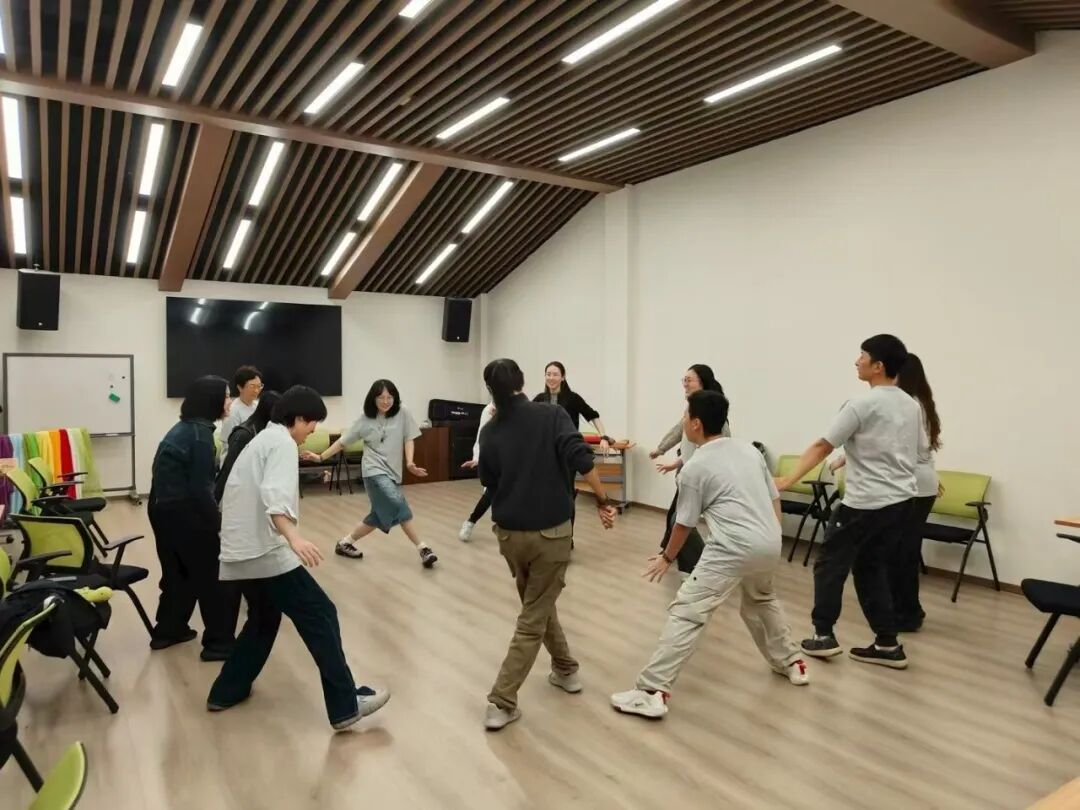
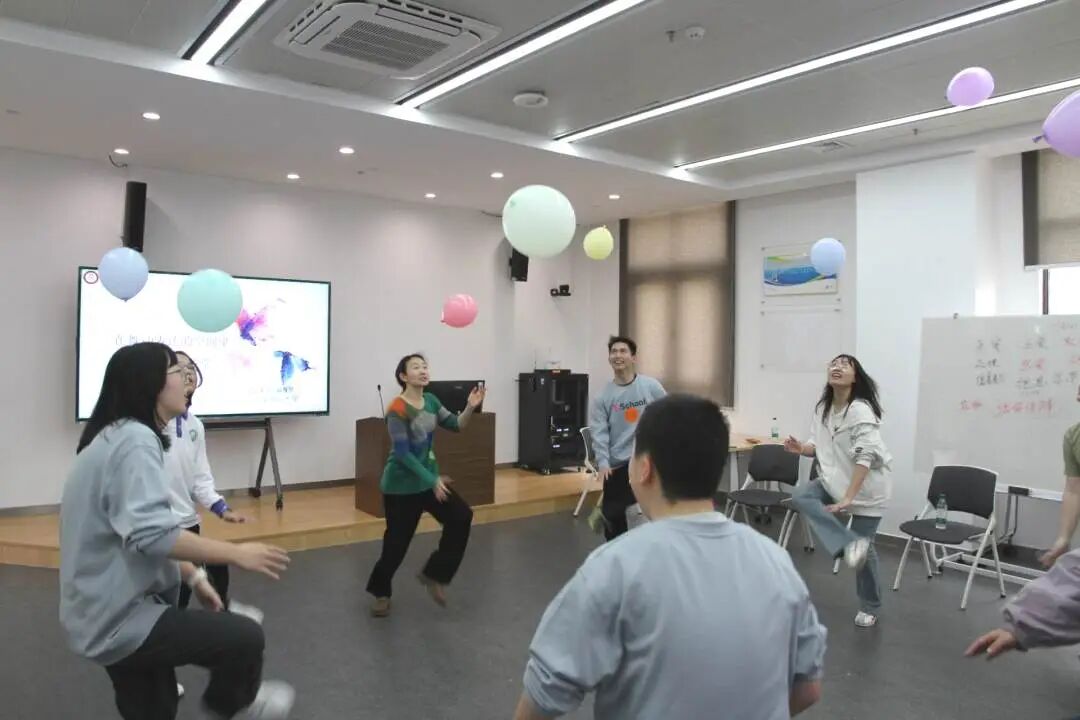
Other sessions used movement and rhythm. Fu Mengqiao led students from breathing and stretching into group exercises, while Qu Lan’s drum circle asked them to listen and find a rhythm together. A psychodrama session led by Hu Minna offered a structured setting for trying out roles and describing feelings.
Different ways to experience a city
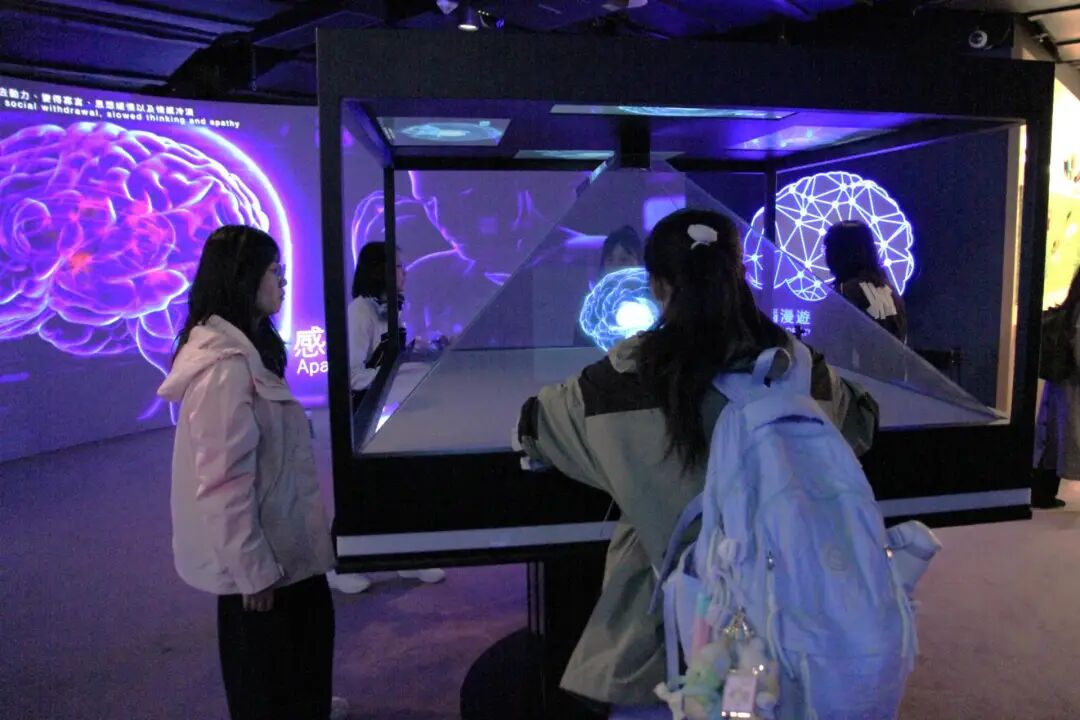
The group travelled across the Hong Kong–Zhuhai–Macao Bridge as the programme moved out into the region. At Mind Space, the mental health experience centre at Castle Peak Hospital in Hong Kong, interactive exhibits prompted discussion about mental health and the stigma people can face.
At Dialogue in the Dark, students entered an environment without light, guided by a person with a visual impairment. They had to rely on other senses, communicate and pay attention to how they responded when familiar visual cues were missing.
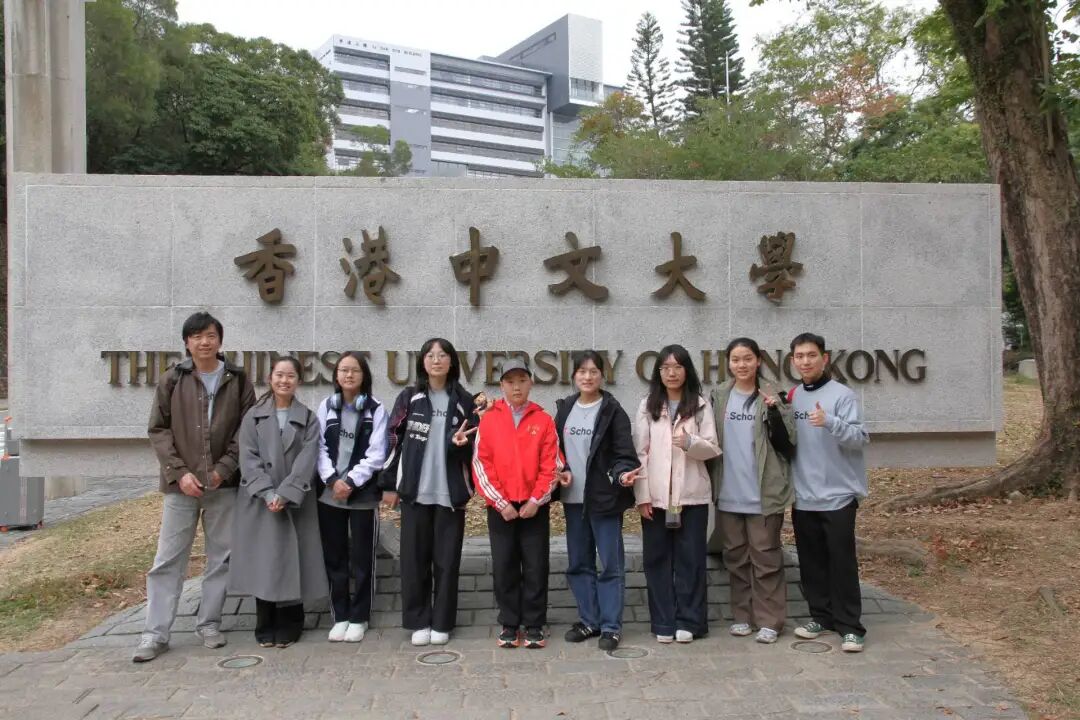
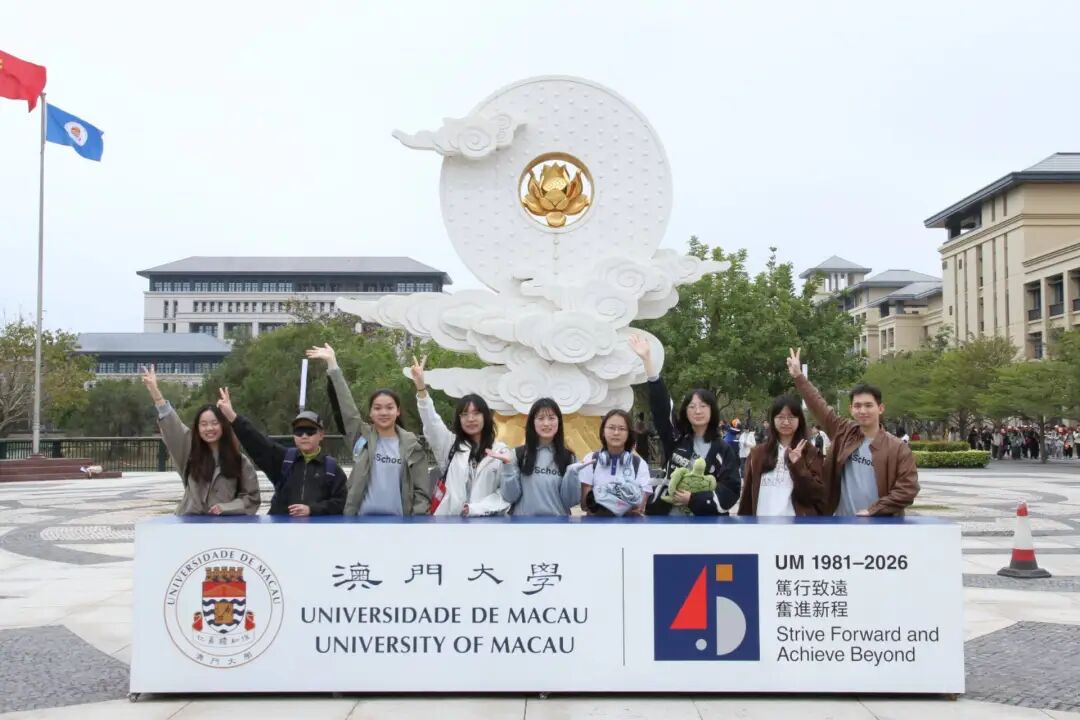
University visits added another perspective. Students visited the Chinese University of Hong Kong and met a psychology undergraduate at the University of Macau. They toured university spaces, asked questions and continued their observations through activities in Macao. These were visits within the winter school, rather than university courses.
Putting something into words
In the closing workshop, tutor Jia Ziwen asked students to look at their strengths and make them more specific. A vague impression such as being patient, or enjoying observing people, could become something they could describe and use when making a plan. Students wrote down an action they wanted to take afterwards.
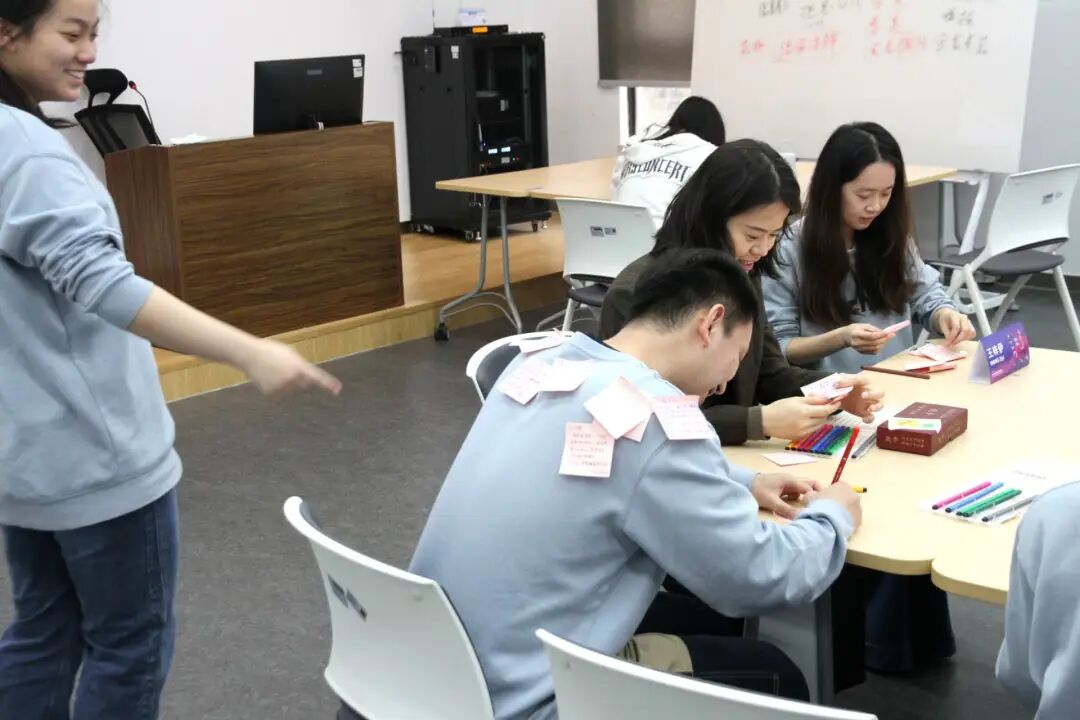
Teaching assistants supported both the academic sessions and day-to-day life throughout the programme. The final gathering, with photographs and shared recollections, brought those parts of the week together.
No single activity summed up the five days. For some students, a new word was the thing that stayed. For others, it was trying to navigate without sight, making something with a classmate or getting a clearer sense of what university life might be like. The winter school gave them time to notice those experiences and talk about what they meant.