
Psychology Summer School · Shanghai
An eight-day residential programme in psychology, with counselling demonstrations, creative workshops, community service and a group study of human behaviour.
- Published dates
- 5–12 July or 2–9 August 2026
- Duration
- 8 days
- Location
- East China Normal University Science Park, Shanghai
- Who it is for
- Grades 9–12
- Language of instruction
- Mandarin Chinese
- Format
- Residential, including evening activities
The dates above refer to the 2026 edition. Please ask the programme team about dates for a future edition.
About the programme
Study how people think, feel and behave, using some of the methods psychologists employ to investigate these questions. Over eight days, you’ll combine introductory teaching with counselling demonstrations, creative workshops and a small group study.
Community service visits bring you into contact with psychology beyond the classroom. You’ll also have opportunities to discuss university study and careers with people working in the field.
What to expect
- Teaching across the main branches of psychology, with university researchers and practising specialists.
- A combination of lectures, facilitated groups, workshops and practical projects.
- A group research presentation, with feedback on the work and how you communicate it.
- Completion documentation includes a certificate, learning transcript, evidence of practical participation and project feedback.
What you’ll study
Psychology foundations
An introduction to basic, social, personality, developmental, clinical and counselling psychology, alongside psychiatry, experiments, statistics and psychological measurement.
Experiential workshops
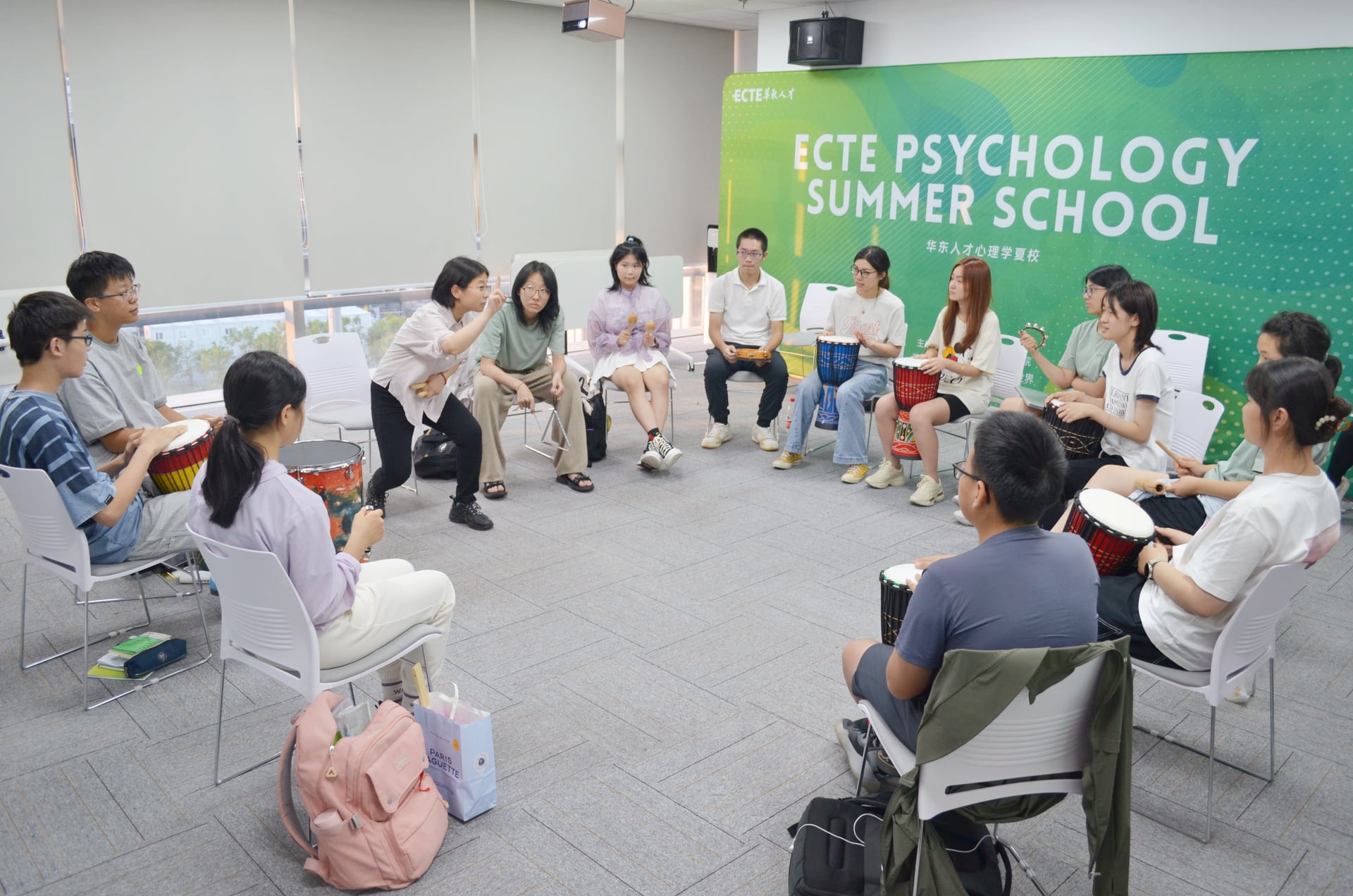
Take part in expressive arts groups, music-based activities, psychodrama and movement workshops. Consider the experience of being a group member and how facilitators support participation.
Research and community practice
Plan a small study with your group and take part in a community service visit to a welfare institution. Use these experiences to consider how psychological ideas relate to people’s lives.
Programme schedule
The outline below is subject to adjustments. Visits, venues and teaching arrangements will be confirmed in the joining information.
Arrival and orientation
Registration, accommodation check-in, campus orientation, safety briefing and group introductions.
Psychology and everyday life
Opening ceremony and keynote; introductory and social psychology teaching.
Psychiatry, personality and methods
Introduction to psychiatry; person-centred clay workshop; experiments, statistics and measurement; personality psychology.
Counselling and expression
Counselling case observation and structured practice; clinical and counselling psychology; a creative word-and-story workshop.
Assessment and development
Psychological assessment tools, careers workshop and adolescent developmental psychology.
Memory and research practice
Memory strategies workshop, research guidance and a practice presentation, followed by a community service visit.
Brain, emotion and society
Brain and neuroscience, emotion and the self, psychology and AI, psychodrama and an evening reflection activity.
Group presentations
Research project presentations and the closing ceremony.
Invited tutors
The following profiles are included in the Chinese programme information. Teaching assignments and the final tutor team are subject to confirmation.
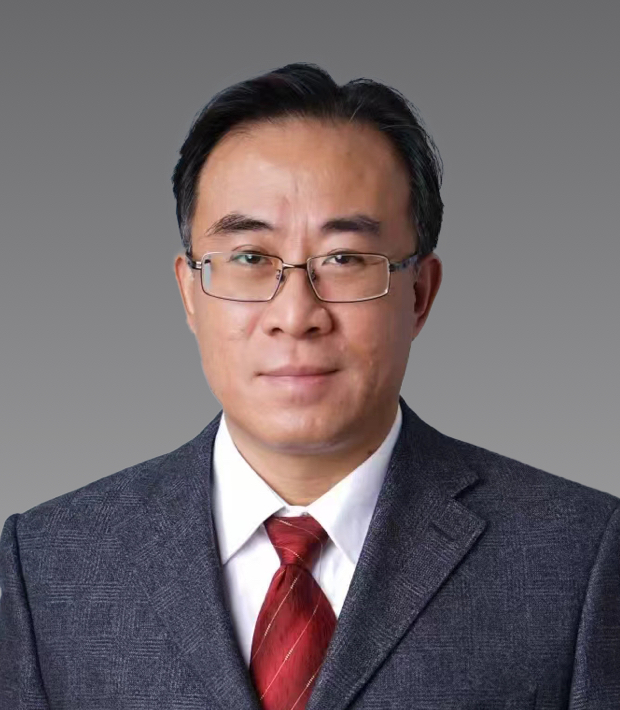
Gao Wenbin
Researcher at the Institute of Psychology, Chinese Academy of Sciences, and director of its Mental Health Promotion Research Centre. He holds a doctorate in psychology and has led national psychology outreach and psychological emergency support initiatives.
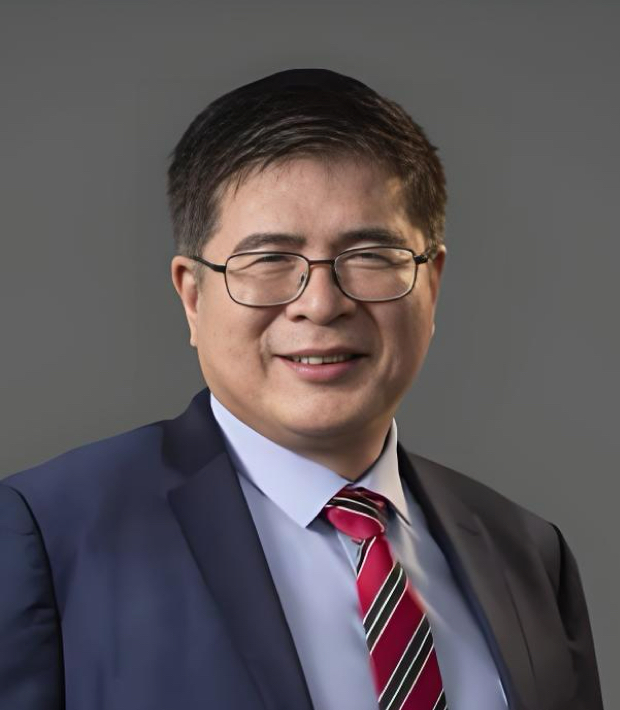
Yue Xiaodong
Holds a doctorate in educational psychology from Harvard University and is a distinguished professor at Capital Normal University. His books introduce psychological counselling to a wider readership.
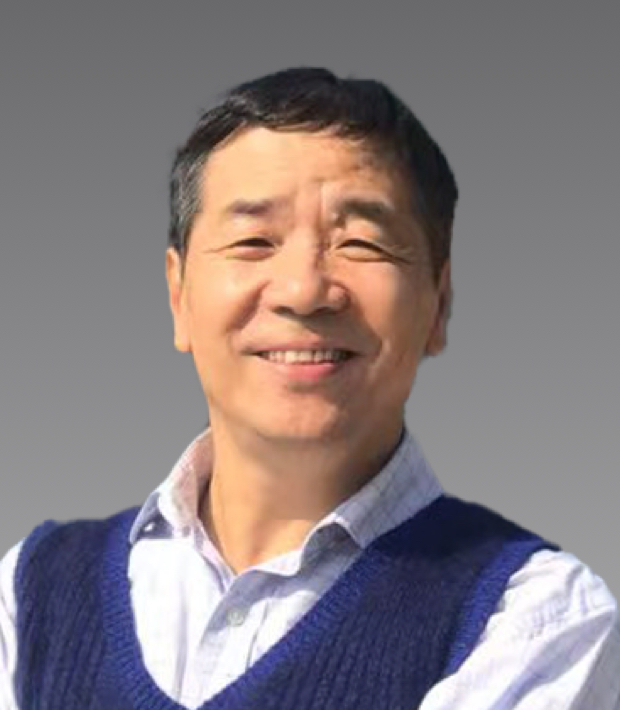
Zhang Kechuang
Professor of psychology at Shanghai University of Political Science and Law and director of its Master of Social Work education centre. He completed doctoral study in applied psychology and behavioural science at the University of Tübingen and postdoctoral research at East China Normal University. He is a vice-president of the Shanghai Association of Social Psychology.
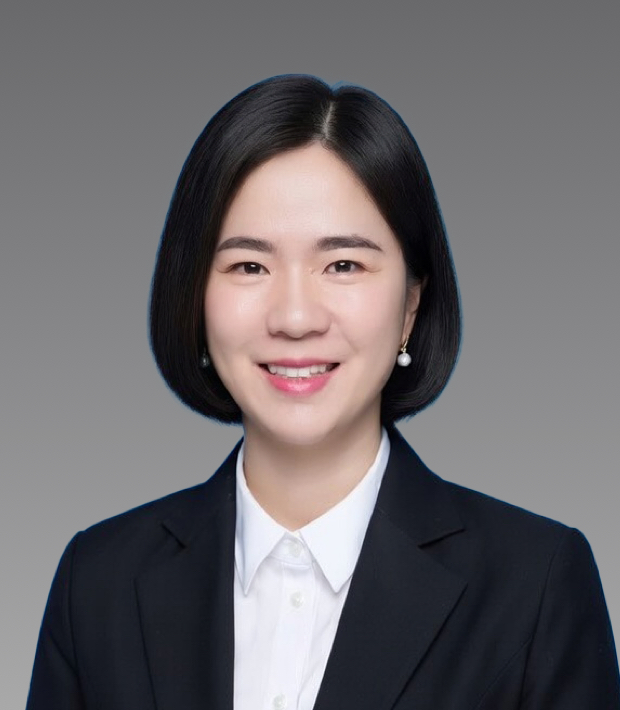
Gao Jun
Associate professor and deputy head of psychology at Fudan University, with a doctorate in psychology from Peking University. A registered clinical supervisor with the Chinese Psychological Society, she has over 7,000 hours of counselling experience.

Tian Qian
Associate professor of psychology at Fudan University and deputy director of its psychology research centre. She holds a doctorate in psychology from Fudan and has completed postdoctoral research in management.
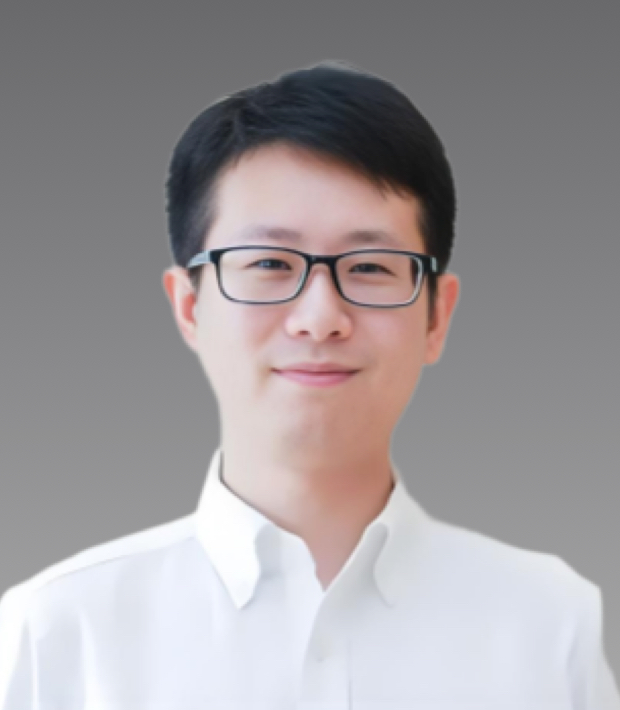
Wang Chenbo
Holds a doctorate in basic psychology from Peking University and serves on the social cognition branch of the Chinese Cognitive Science Society.
Projects and completion
- A small group psychology research project and presentation.
- Completion certificate, learning transcript, practical participation record and project feedback.
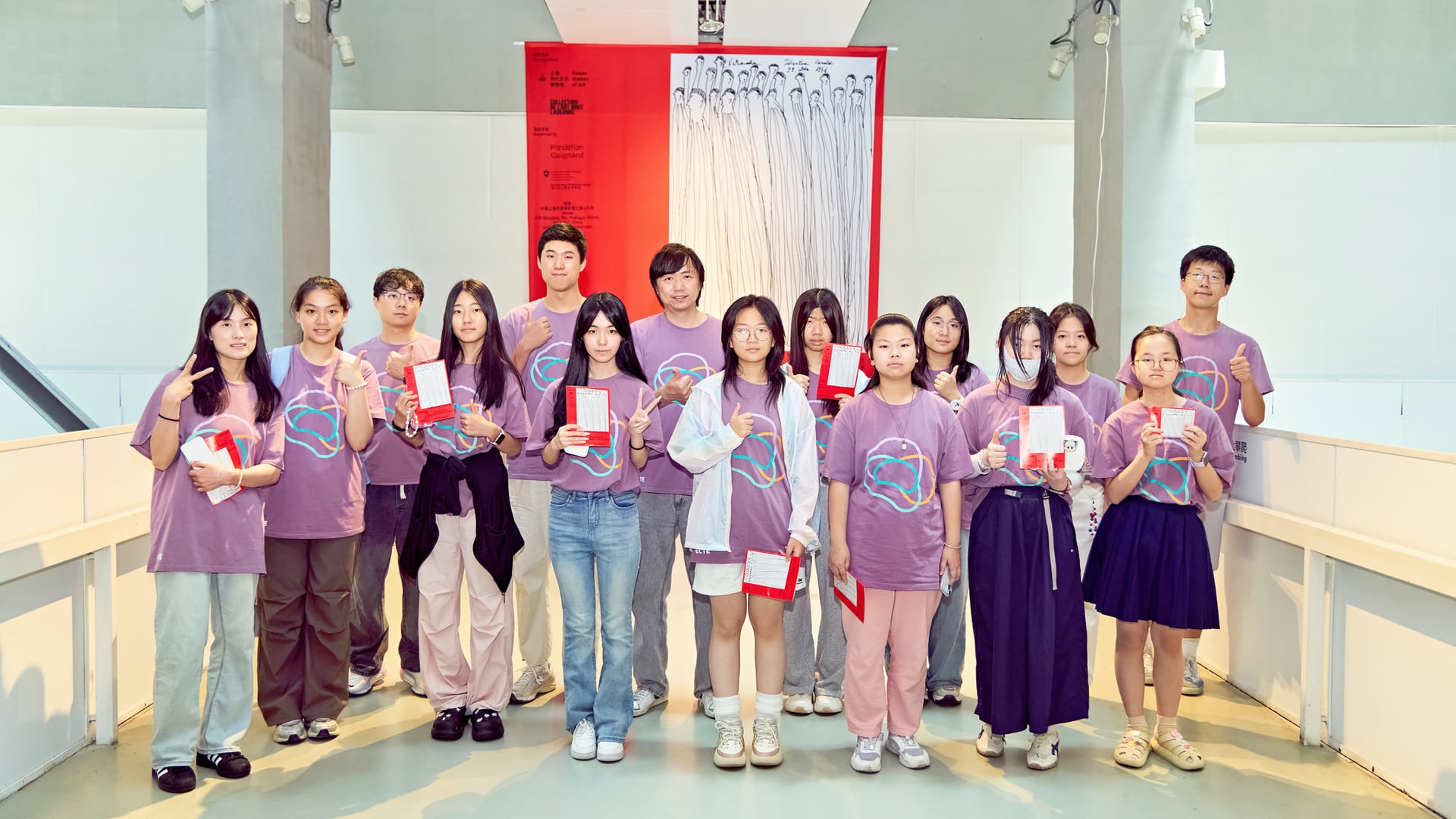
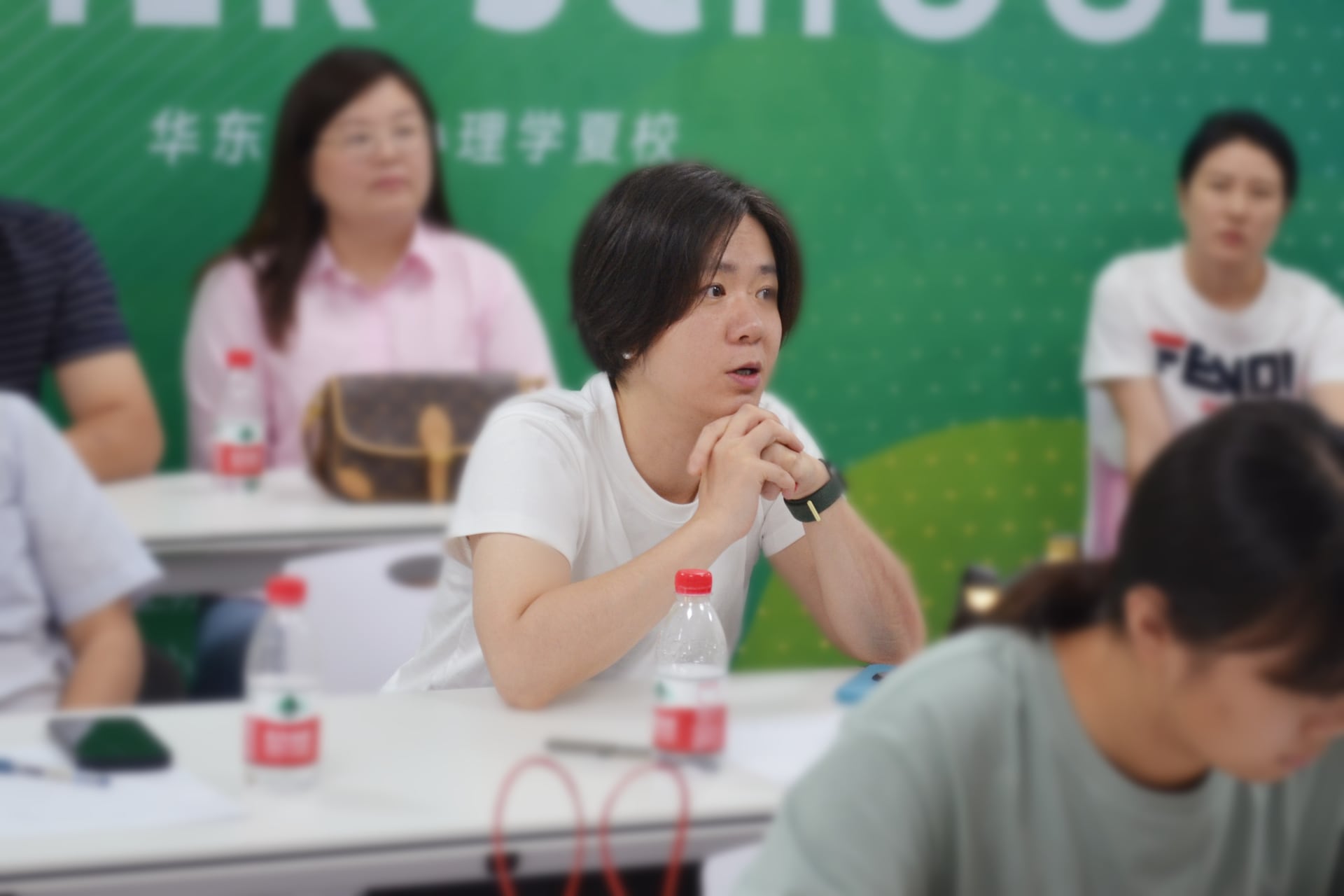
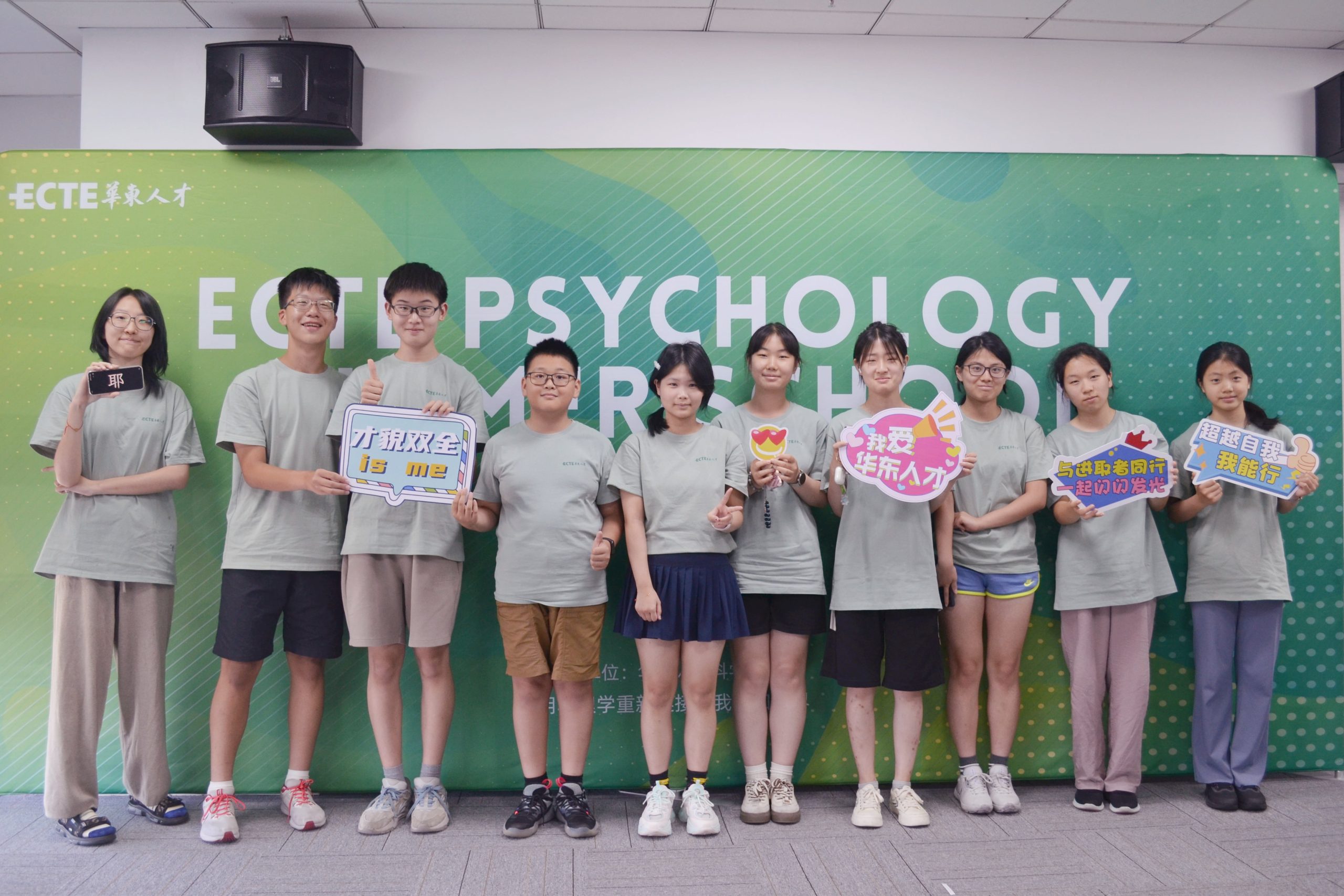
Previous programme activities
How to apply
Who can apply
- School students in Grades 9–12 who are interested in psychology.
- Willingness to learn independently, contribute to a group and take part in residential and practical activities.
Application materials
- Complete the online form with student details, a parent or guardian’s contact information and relevant previous learning or activities.
- A short statement of 200–300 Chinese characters explaining your interests, reasons for applying and what you hope to learn.
Application process
- Submit the online application.
- The admissions team normally completes its initial review within 3–5 working days and contacts applicants with the outcome.
- If offered a place, confirm acceptance and pay the required fee by the stated deadline.
- Joining instructions are sent before the programme; where specified, these are issued one week before arrival.
Teaching is in Mandarin Chinese.
Ask about a programme
Leave your contact details. A T.School programme adviser will contact you to discuss the subject, dates, preparation or application process.