Gao Yan: choosing a degree without planning your whole life
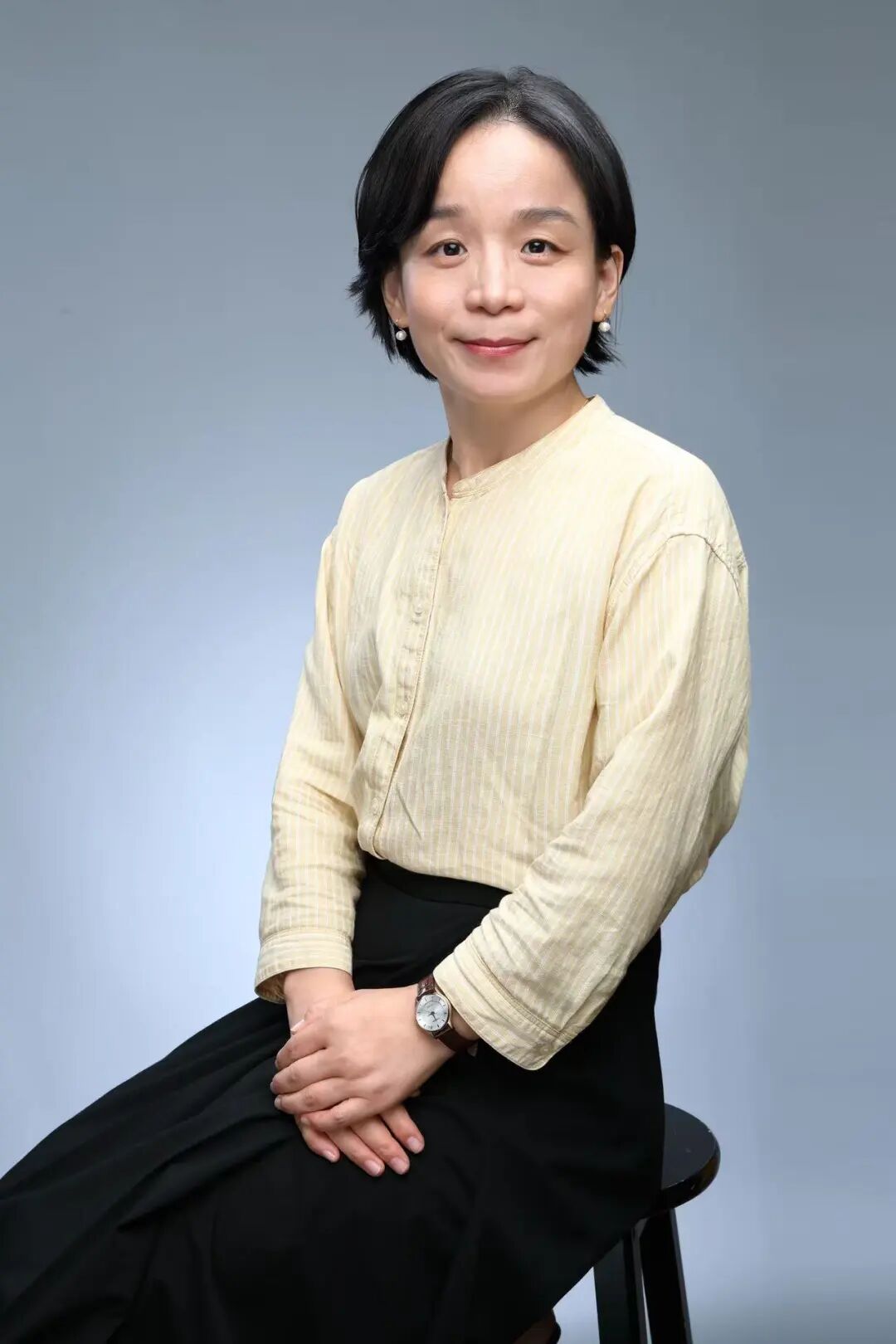
Gao Yan began in marketing before finding her way to psychology. In this interview, the career development tutor talks about interests, degree choices and why an early decision need not settle everything.
How did you move from marketing to psychology?
My undergraduate degree was in marketing, but it was not an informed choice. Information was much harder to find then. My parents and teachers did not know much about the options either. I had applied for a fashionable subject, international trade, and was placed in marketing instead.
I could do the coursework, but I kept asking myself whether I could imagine doing this work and enjoying it. After graduating, I joined a company started by someone I knew and worked in finance. The company happened to distribute psychological assessment software.
Reading the manual was a turning point. I had not realised there was a whole subject concerned with measuring interests, abilities and personality. A colleague who had studied psychology at Beijing Normal University helped me learn more. I eventually decided to apply for postgraduate study in psychology.
What would you say to someone who thinks they have chosen badly?
Being able to do a subject and feeling that it suits you are different things. I won scholarships as a student, but that did not give me a sense of direction. Finding psychology made me think more carefully about the match between a person and their work.
I would encourage young people to investigate what they are interested in, rather than judging themselves only by the choice they have already made. What do you actually know about the subject? Which parts of the work appeal to you? What happens to that interest when it becomes difficult?
“The subject you choose now does not mean you have to do the same thing for the rest of your life.”
Gao Yan
How do you weigh an interest against career prospects?
First, try to work out whether the interest comes from knowing something about the field or from an attractive idea of it. Psychology, for example, involves much more than the popular image of a counsellor who can immediately understand someone.
It helps to look at what people actually do, how they train and the range of roles a subject can lead to. In my career development work, I have met people whose qualifications looked impressive but who had little interest in their field. I have also met people who used spare time to build skills in something they cared about and found opportunities through that work.
Those are individual experiences, rather than a rule about which degree to choose. They do show why it is worth getting beyond a course name or a list of popular careers.

How early should that exploration begin?
There is value in beginning while you still have time to try things. In China, school subject choices can affect the university courses available later, so students need to understand those connections before making decisions.
I suggest looking in both directions. Look inward at your interests, strengths and values. Then look outward at courses and occupations, and find out what they involve. Neither picture is complete on its own.
At summer school, that can mean using interest assessments and sorting values such as creativity, helping others or financial security. It can also mean discovering roles students have not considered, including user experience work and questions about the ethics of AI. Assessment tools can start a conversation; students still need to explore the possibilities for themselves.
What if your interests change?
I think it is useful to see yourself as someone who can develop. A disappointing result now does not describe your whole future. Nor does starting in one field stop you learning something else later.
Many of the postgraduate students I have taught did not study psychology as undergraduates. Some returned to education well into adult life. Their experience is a reminder that there is more than one point at which you can begin.
Combining interests can also produce an unexpected direction. Medical illustration, for example, brings drawing and medicine together. Finding a route like that starts with looking closely at what you enjoy, what you can do and what you are willing to keep learning.