When words are hard to find, students turn to movement and art
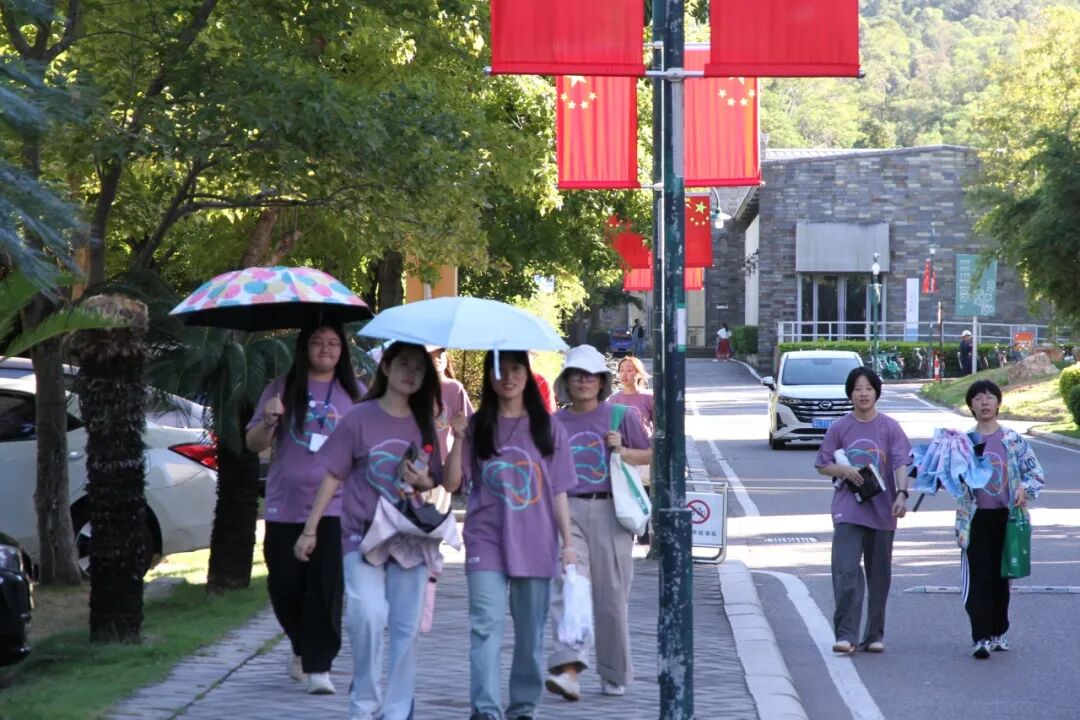
At the first Expressive Arts Learning Camp in Zhuhai, students spent five days exploring how they express themselves and relate to other people. Movement, role-play and conversations all had a place.
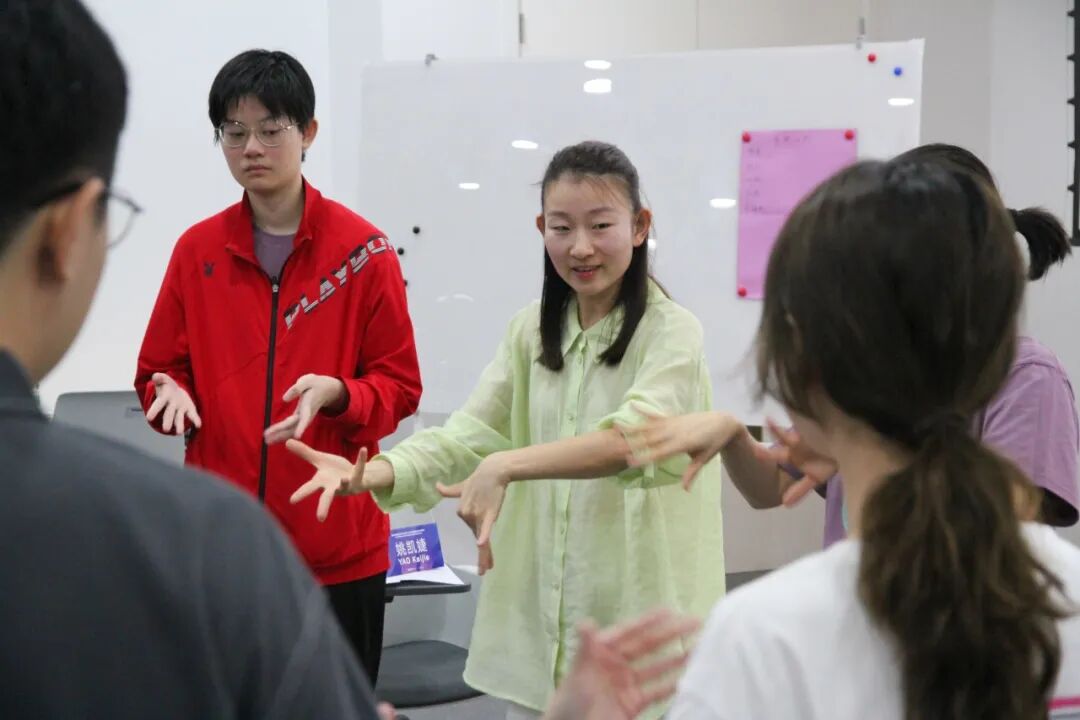
The October 2025 programme began with a familiar difficulty: some feelings are hard to describe. Tutors used psychology teaching alongside practical workshops to give students several ways into the subject, including breath, movement, objects and stories.
Paying attention to yourself
Lu Huizhi’s introductory session on the science of emotion gave the group a basis for discussing what emotions do and how they arise. In Pan Jia’s Wise Mind Lab, students tried mindfulness activities that brought attention back to breathing and the present moment.
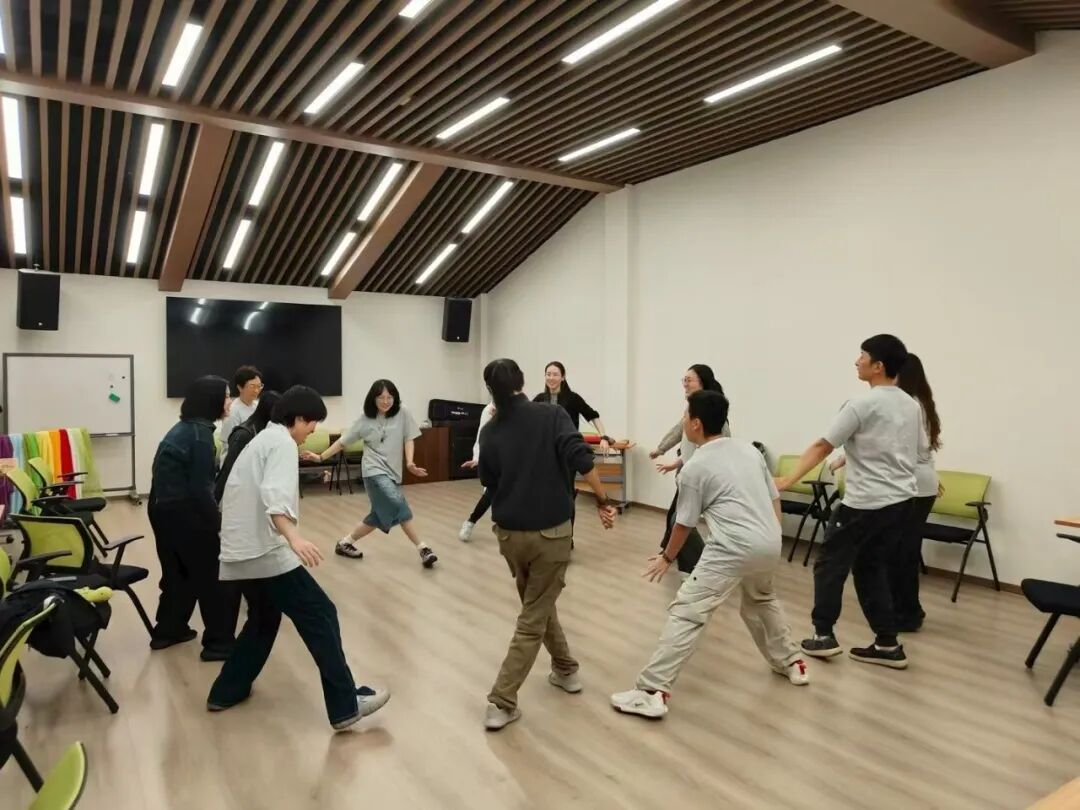
A movement workshop led by Fu Mengqiao asked them to notice what they could express through their bodies. One student described realising that a feeling they could not put into words could still be communicated through movement.
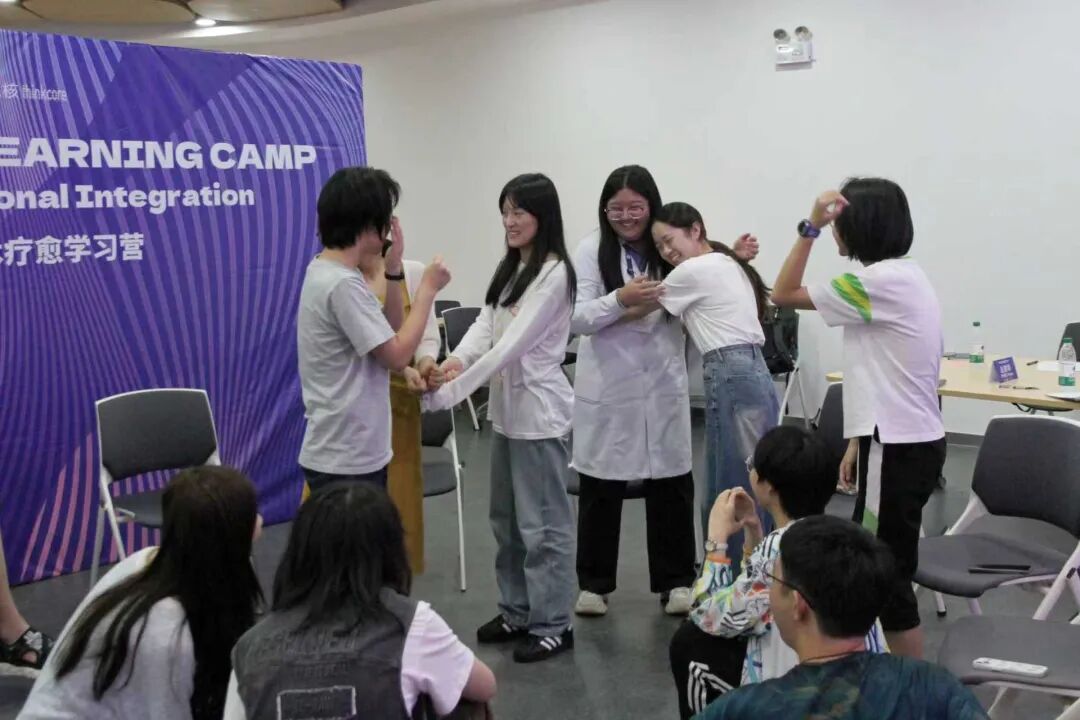
Wang Hui’s session on self-compassion encouraged students to consider how they speak to themselves when something is difficult. The ideas sat alongside the practical work, giving students a language for reflecting on what they had tried.
Working with a partner, working with a group
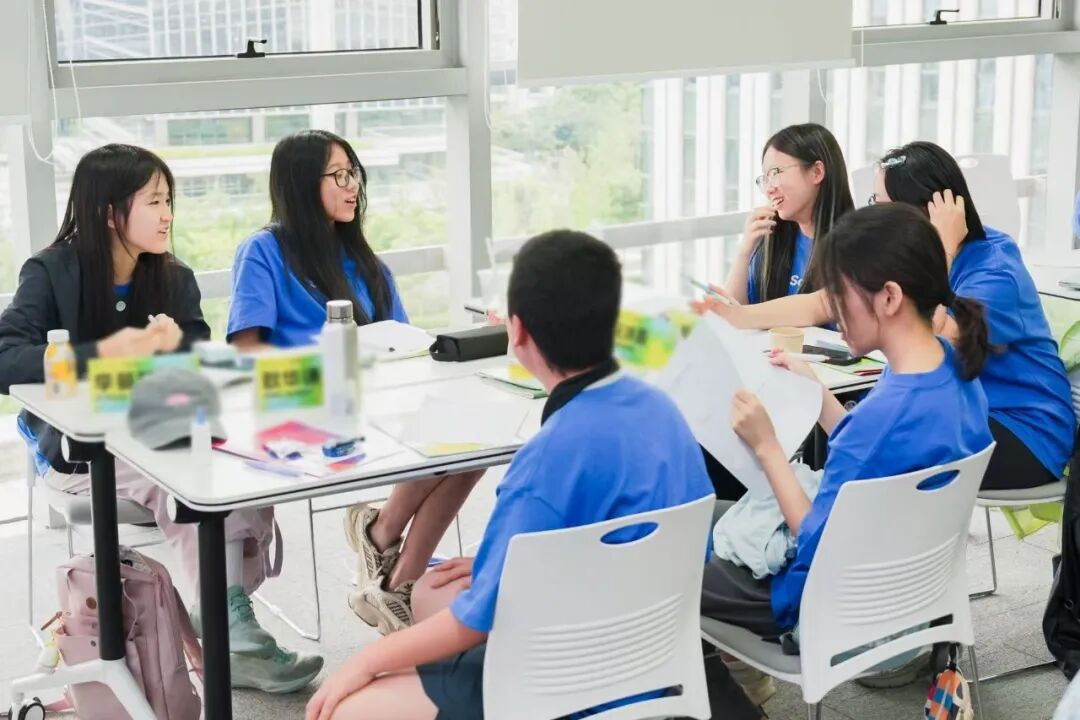
The focus then moved towards relationships. Workshops led by postgraduate psychology tutors included activities on feeling secure with other people and communicating clearly and considerately. Students could try out an idea, observe what happened and talk about the experience.
In Li Junnan’s relationship theatre session, role-play provided a structure for sharing situations that felt uncertain or hard to discuss. A student who took a central role recalled being able to express worries about the future in a setting where others listened.
“I took a leading role in the psychodrama for the first time and expressed my worries about an uncertain future. I felt seen and accepted.”
A participant in the programme
An evening away from the classroom
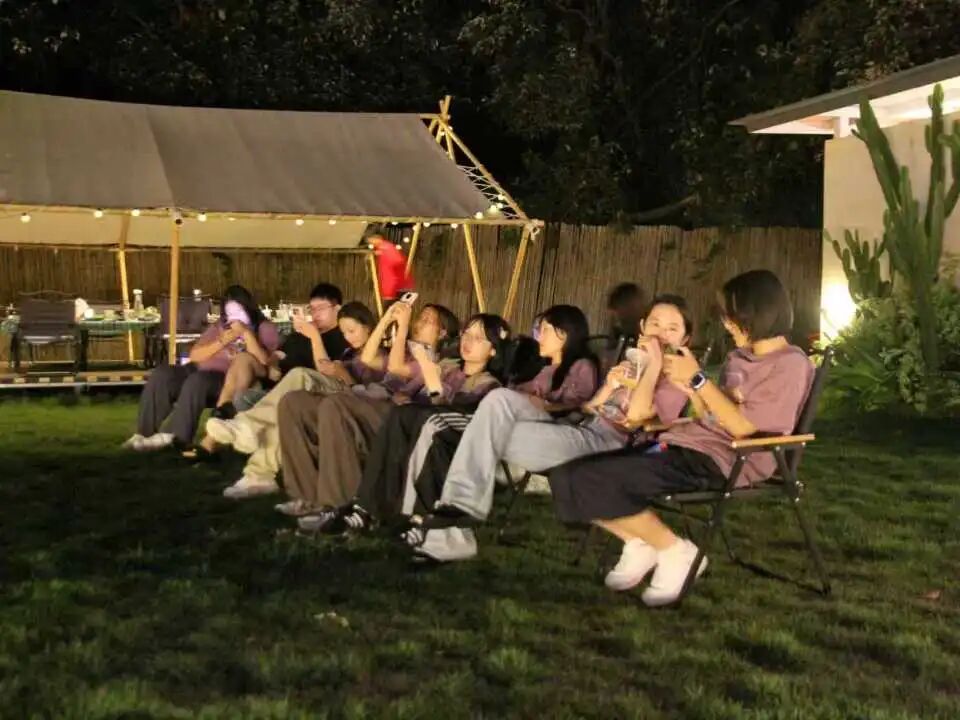
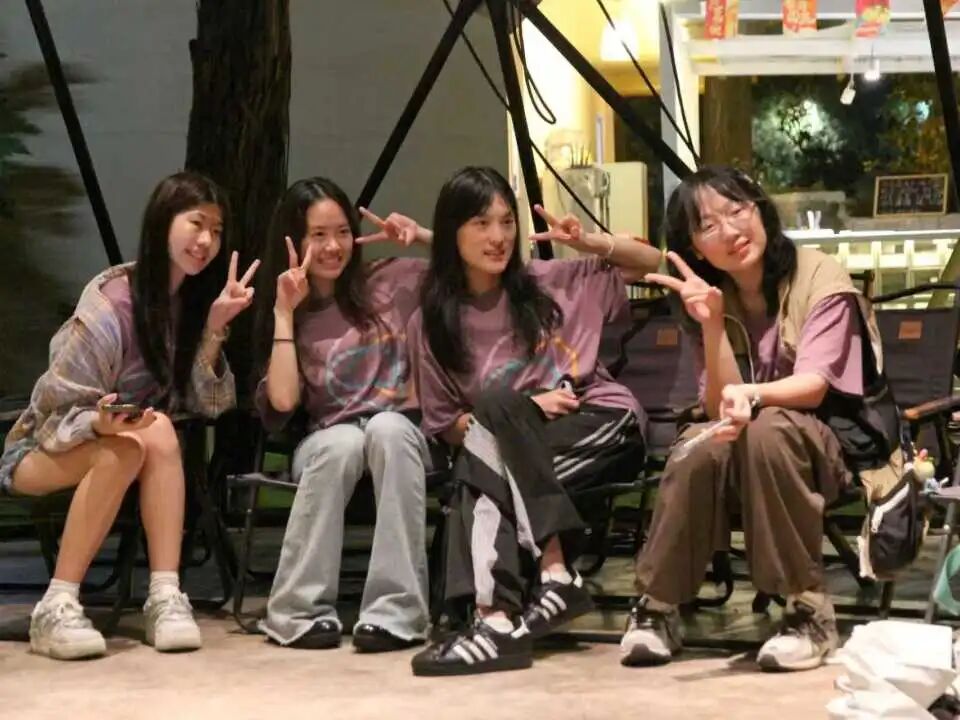
On the Mid-Autumn Festival evening, students and tutors went to Qi’ao Island for food, songs and board games. It gave the group time together without a workshop task to complete. Informal conversations became part of the experience too.
Some of the trust built in the sessions could be felt in these ordinary moments. A student remembered the ease of spending the evening with people who, only a few days earlier, had been strangers.
Recognising something you can use
Later sessions looked towards what students might take into everyday life. Lu Huizhi introduced positive psychology and group activities, while Gao Yan’s strengths mapping workshop helped students make qualities such as courage, empathy and creativity more specific.
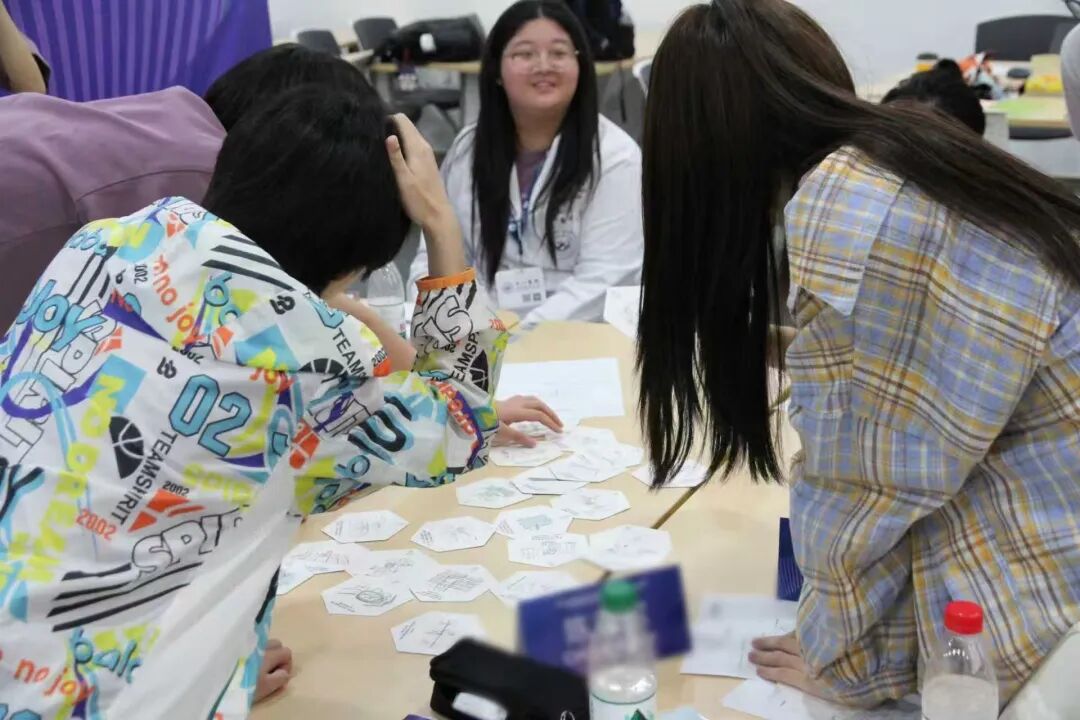
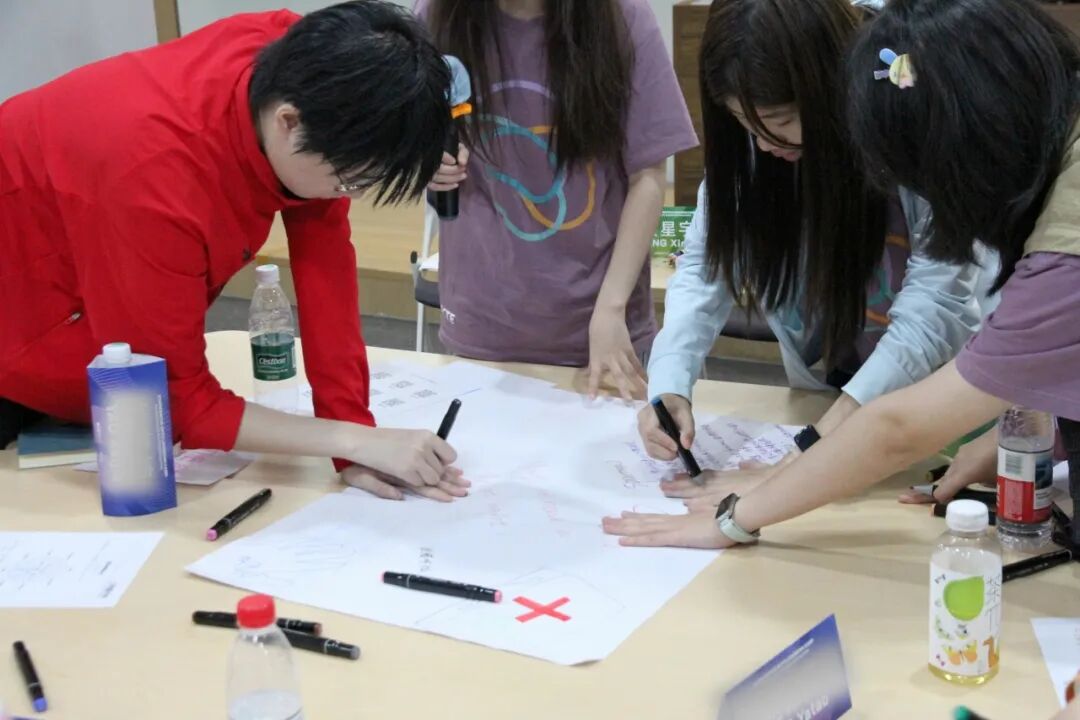
Throughout the five days, postgraduate teaching assistants supported the sessions. The programme team also looked after the practical details of living and learning together, so students had people to ask when they needed help.
Looking back before leaving
The closing activities made space for photographs, recollections and messages to one another. Students reflected on what they had found easy, what had surprised them and what they wanted to remember.
The programme moved between individual attention and shared experience. Students could try a movement before explaining it, hear someone else’s story before offering their own, and notice which approaches suited them. That gave each person a different set of things to take home.