How psychology led Lü Heyu to industrial design
Heyu arrived at summer school convinced that she wanted a psychology degree. What she learnt made her think more broadly. As an industrial design student at ShanghaiTech University, she still finds herself drawing on the experience.
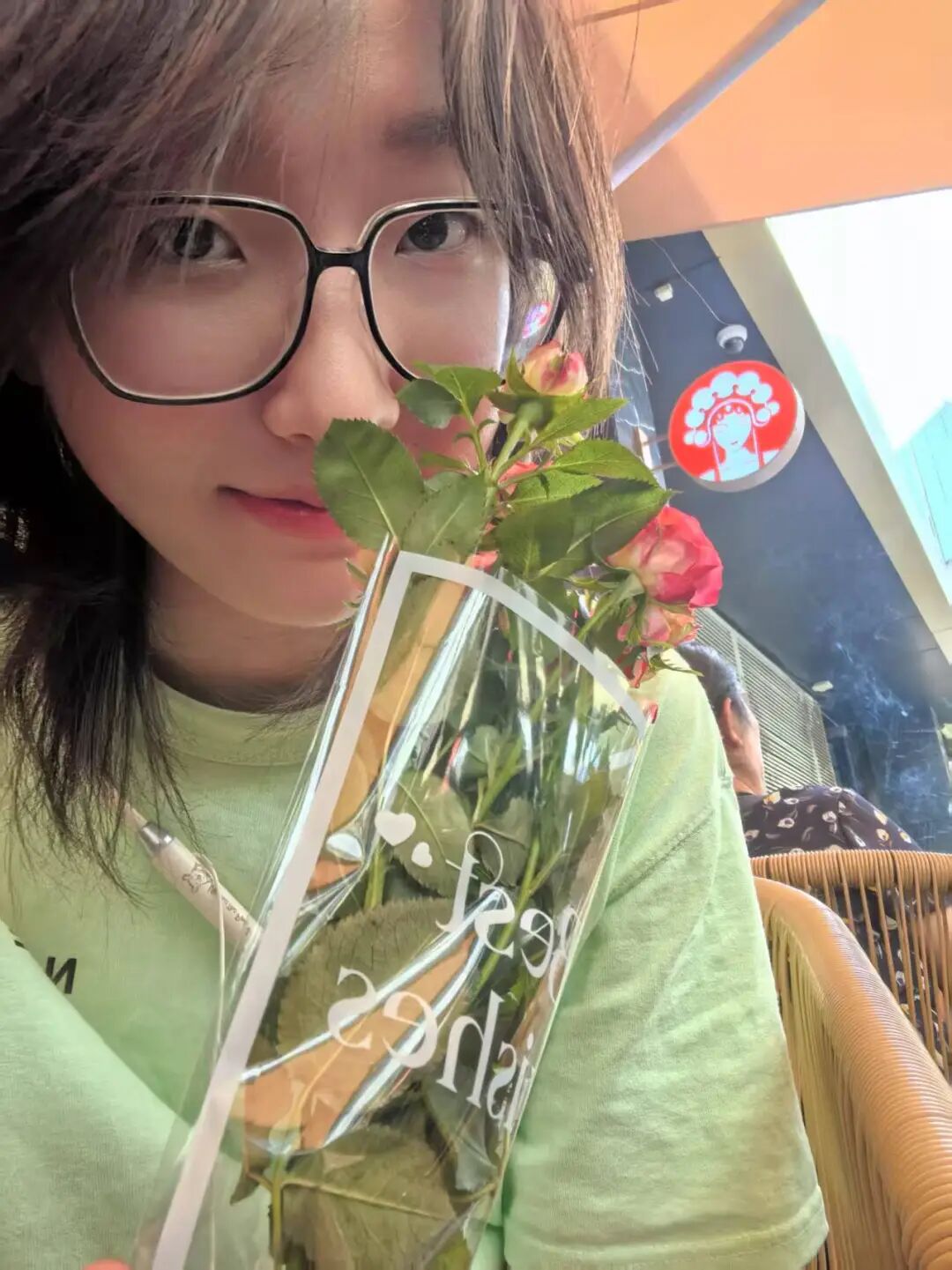
After finishing secondary school, Lü Heyu was certain about one thing: psychology was her first choice of subject. She was less certain about what studying it would involve, or what she wanted to do afterwards. A programme notice shared by her form teacher gave her a chance to look more closely.
The eight days did not leave her with the answer she had expected. Conversations with tutors encouraged her to consider several possible routes into the subject, including studying something else first and returning to psychology later.
A useful change of plan
In a counselling role-play, Heyu tried listening and responding to a partner under a tutor’s guidance. It made her more aware of how much knowledge and practice the work required. Her enthusiasm was still there, but her picture of the field was changing.
When she told tutors about her wish to study psychology, they talked through the demands of the subject and the value of a broader background. She initially found that advice difficult to hear. She had expected the programme to confirm a decision she had already made.
Over time, she found the discussion useful. Biology, sociology, engineering and design could all offer ways of approaching questions about people. Studying another subject did not have to mean giving up her interest.
A question that began with music
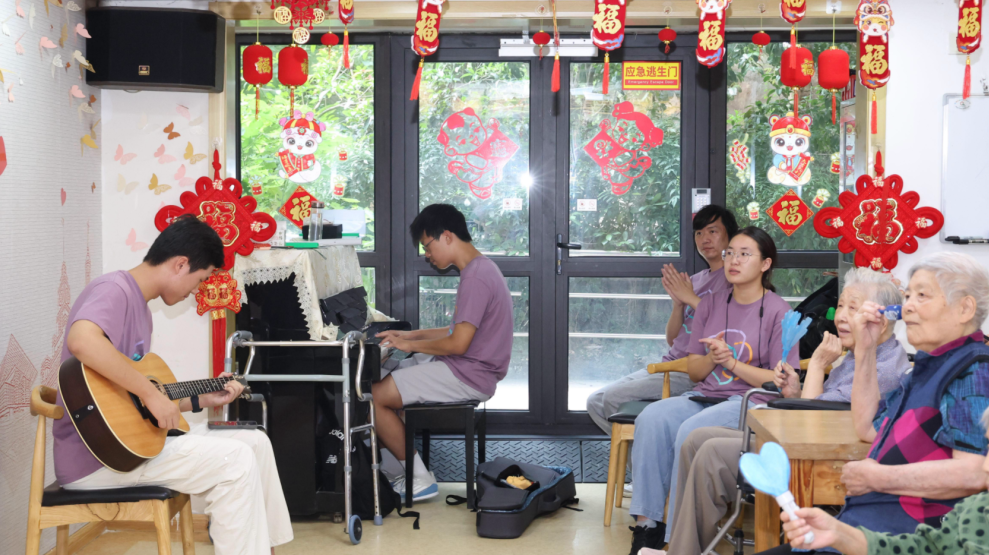
During a care home visit, Heyu’s group played African drums for residents. She noticed their response to the music and began wondering about the connection between rhythm and mood. The group developed a research proposal around that question.
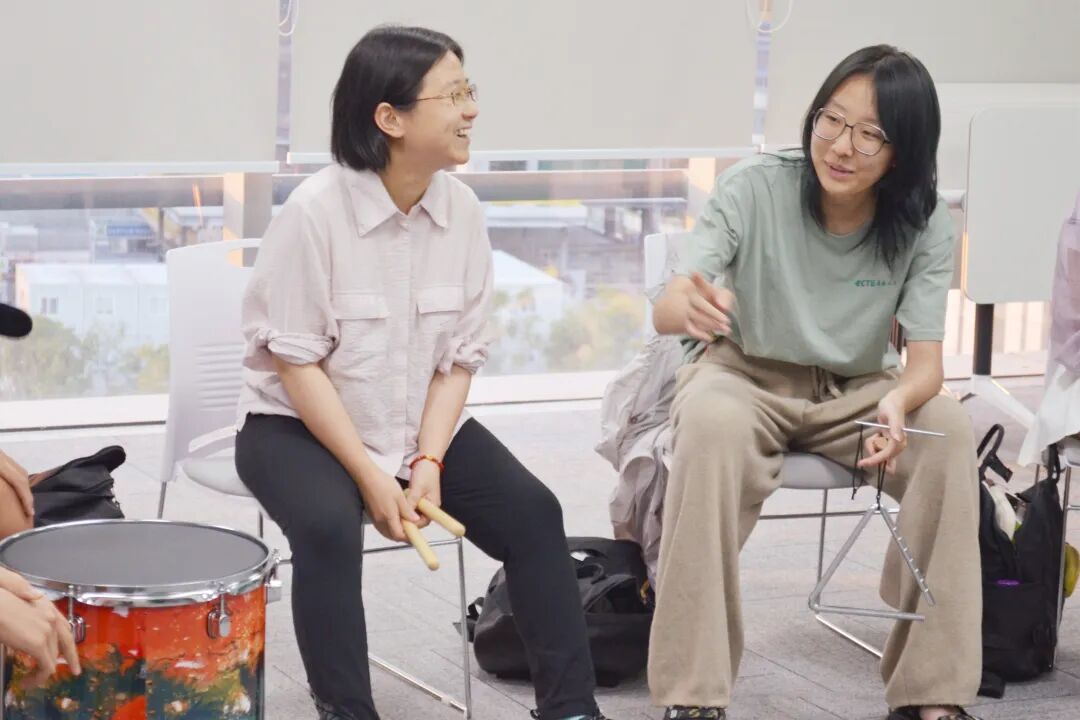
They had to move from an interesting observation to a method they could explain. Heyu remembered working late with a roommate to draw out the research framework. When considering ways to ask older people about their emotions, the group thought about using pictures alongside written measures.
The students shared out the tasks. One looked for literature, others worked on the slides and Heyu helped design the method. Differences in age and experience became useful as the group worked out who could contribute what.
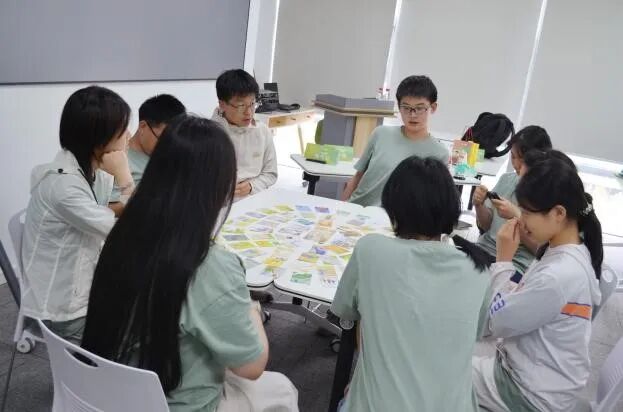
At the final presentation, the group explained its proposed study and received feedback from the tutors. Heyu remembers celebrating with her teammates when their attention to the research design was recognised.
Taking those habits to university
Heyu went on to study industrial design at ShanghaiTech University. To her, design and psychology have a clear connection: designing a product means thinking about the person who will use it, while psychology offers ways to understand people’s experiences and needs.
“Industrial design is a way for me to express ideas. Psychology is a lens through which I understand the world.”
Lü Heyu
She has also noticed smaller connections. In group assignments, she tries to listen before moving a discussion forward. When a conversation stalls, the experience of practising communication at summer school gives her something to draw on.
The tutors’ approach stayed with her too. People who had seemed distant on paper made time to talk after class and take students’ questions seriously. That made it easier to ask about things she was unsure of.
Her advice: get involved
Asked what she would tell someone considering the programme, Heyu’s answer is direct: take part. Classes, discussions and group activities gave her different things to try, but she had to be willing to join in.
She wrote in the programme keepsake that there were no standard answers, only possibilities. For her, the value of the summer school was having enough experience and enough conversations to reconsider what she wanted to study, while keeping psychology as part of the picture.