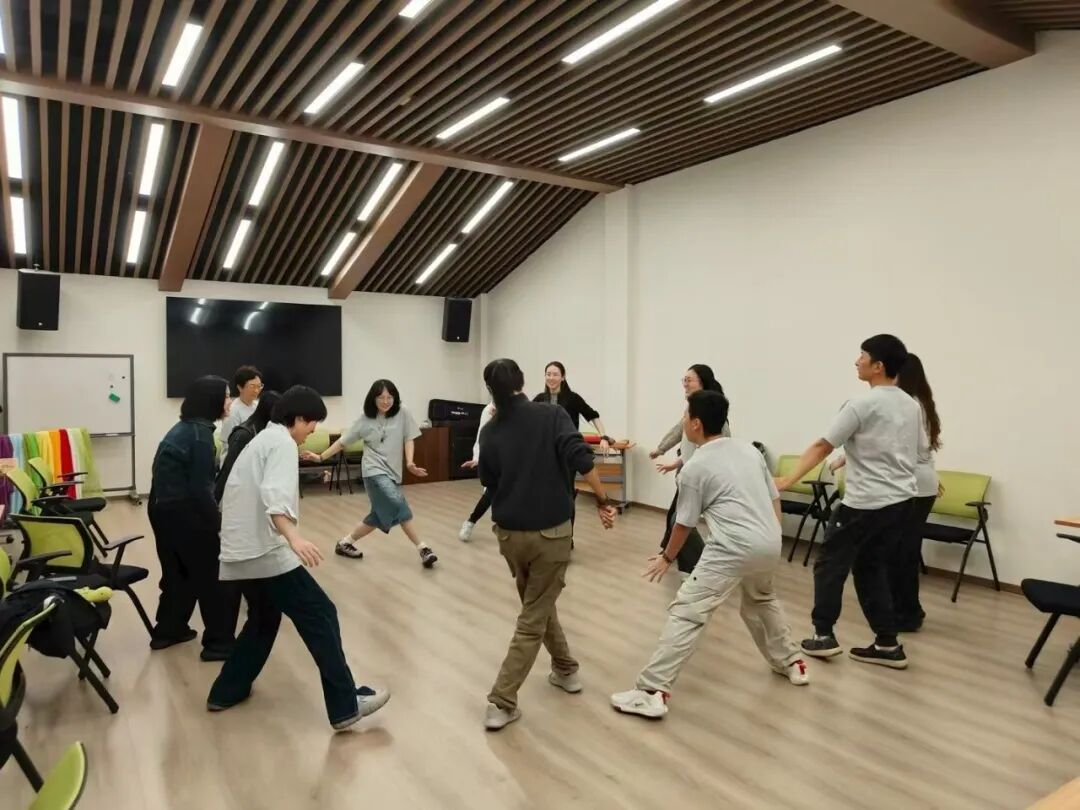
Headsets on: exploring brain–computer interfaces at ExBrain
During the 2026 Brain and Cognitive Science Research Summer School, students visited ExBrain to see how brain activity is recorded and to ask where the technology might be used.
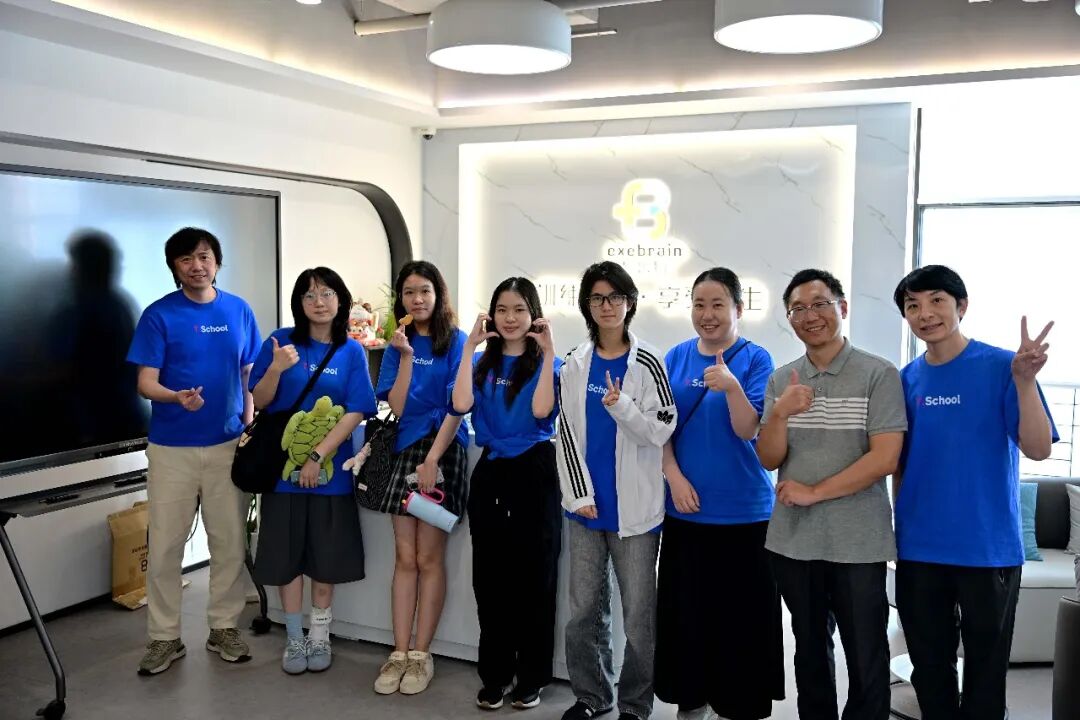
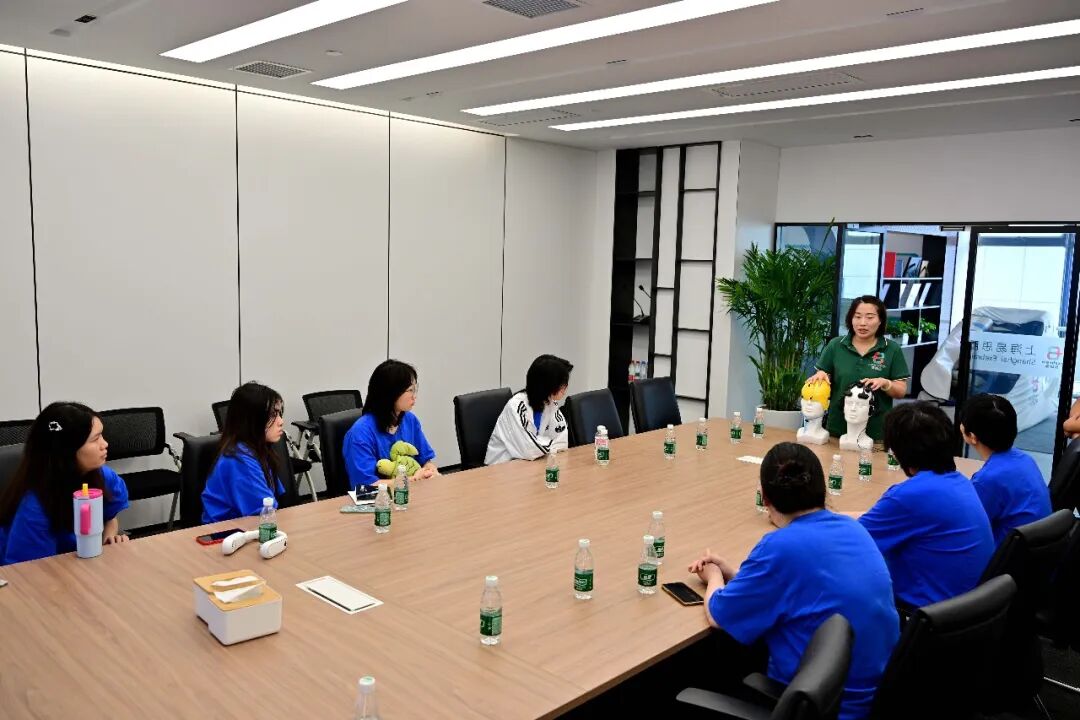
For students beginning to study the brain, a diagram can only take things so far. On 22 July, the summer school group visited ExBrain, a company working on brain–computer interfaces and related technology. The visit brought together an introduction to the science, a discussion with the team and a chance to see the equipment in use.
From a classroom idea to a working system
Research and development director Shi Xiaofeng introduced the structure of the brain and how information is processed. Students discussed neurons, the roles of different brain regions and neuroplasticity: the brain’s capacity to change through experience and learning.
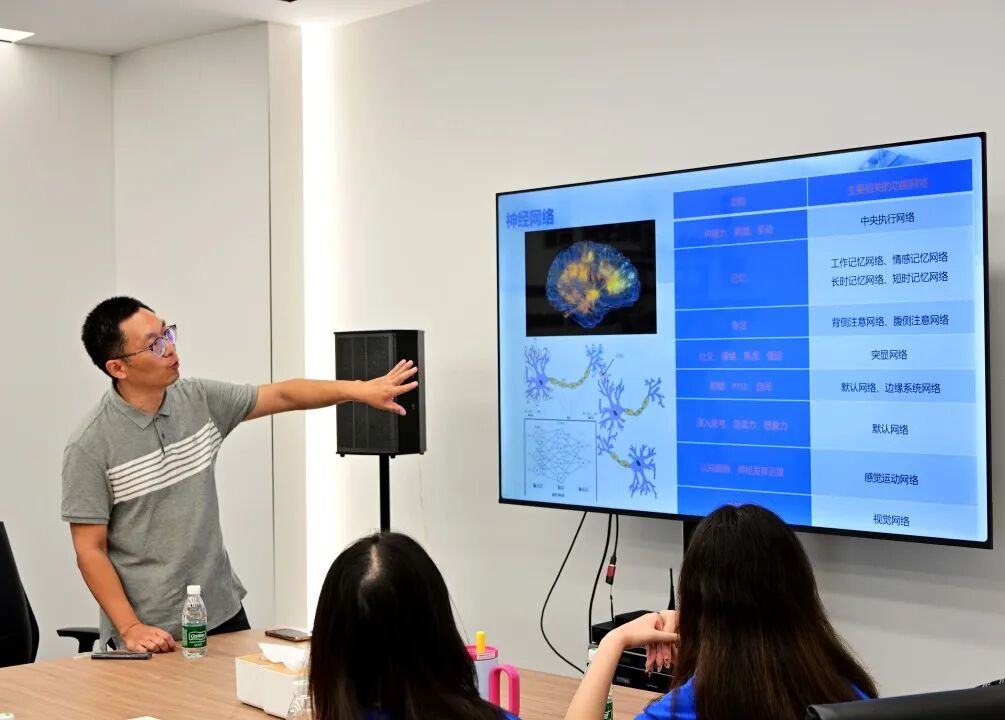
The discussion then turned to brain–computer interfaces, which use recorded brain activity to communicate with an external device. Shi outlined different approaches, including systems that record signals without an implant.
General manager Zheng Jialing also described the company’s work in brain health and rehabilitation. Hearing from the team gave students a view of how people working in science and technology connect an area of research with possible applications.
Seeing the recording change
The practical part of the visit involved EEG equipment, which records electrical activity from the scalp. Under staff supervision, students tried tasks that included interacting with a game and watching video, while the equipment displayed the recorded signals.
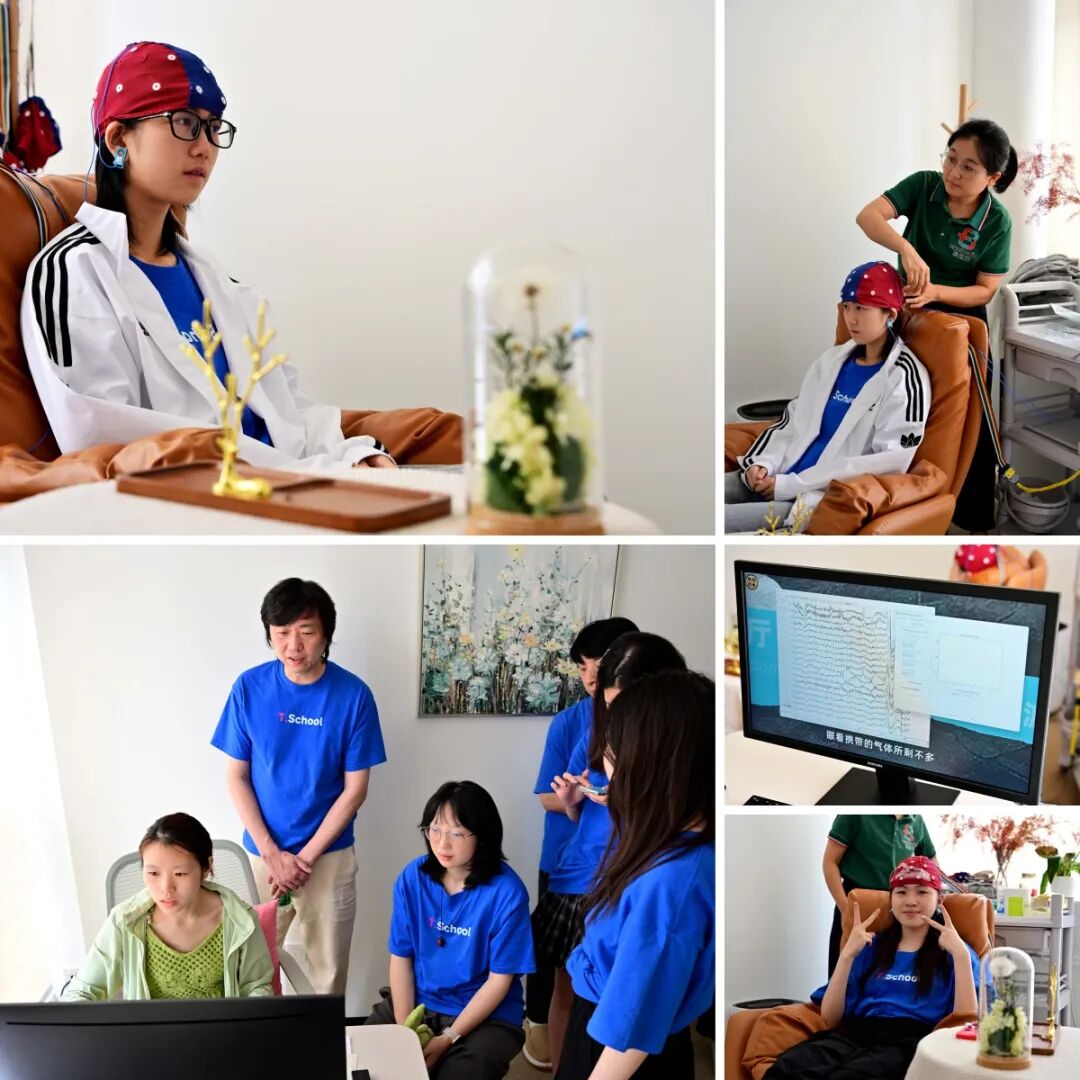
For many in the group, it was the first time they had seen brain activity represented this way. Rather than treating the display as an abstract diagram, they could connect it with a task someone in the room was doing.
That experience gave them a more concrete point of reference for the neuroscience discussed in class. It also offered a reason to ask further questions about what a signal means, how it is analysed and what can reasonably be inferred from it.
Making connections across subjects
The visit was one part of the wider summer school, alongside classes and student research work. It brought neuroscience into contact with psychology, computing and the practical decisions involved in developing equipment.
Students did not need to decide on a future career during an afternoon visit. They had a chance to see a workplace, speak to people in the field and give some of the ideas they had been learning a physical form: a headset, a task and a changing signal on a screen.