What a care home visit taught Du Jiahao about listening
Being the only boy in the group, hearing classmates who knew more than he did, and talking with older residents all challenged Jiahao’s assumptions. Here, he looks back on his Psychology Summer School.
The first thing I noticed
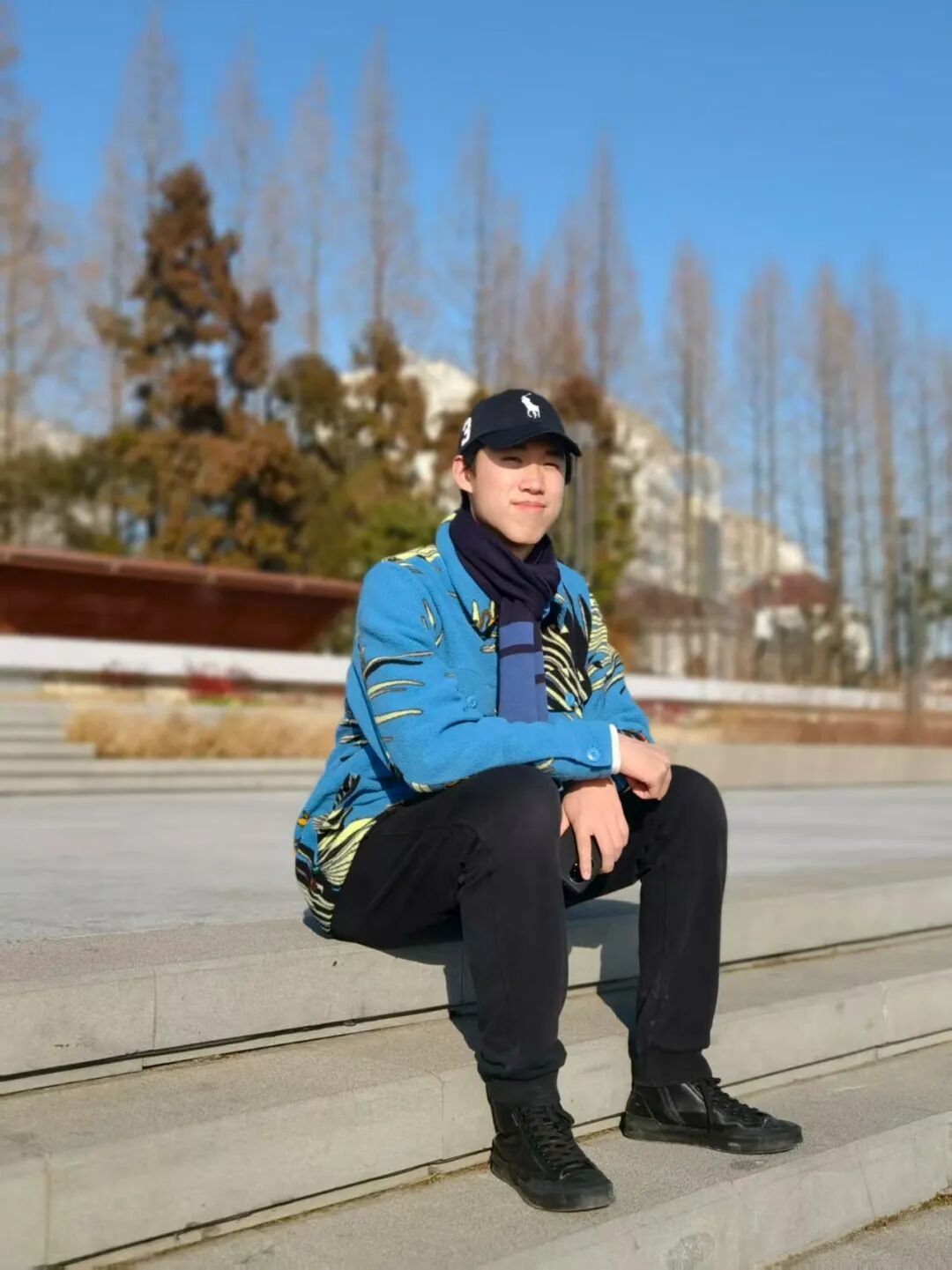
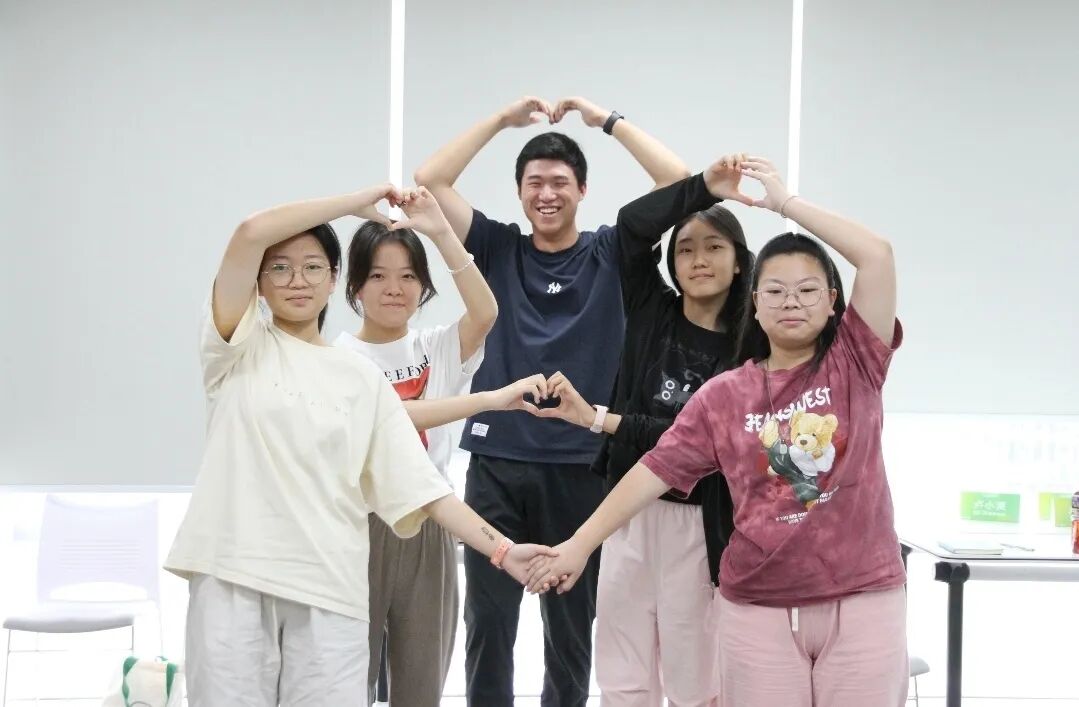
When I arrived, I realised there were no other boys in the group. I usually enjoy meeting people, but I suddenly felt out of place. I kept wondering how the next eight days would go.
In the first drawing activity, we were asked to show something interesting from our summer. I wanted to express myself, but I was preoccupied with feeling different. Eventually, I drew a scene from archery, something familiar to me. Speaking about it made me feel unexpectedly more comfortable.
Later, we drew our mood. Mine was a smiling figure with its thumb up. I explained that the drawing was simple because it showed what I wanted to say: I was trying to be more accepting of myself and of the situation. The tutor responded warmly. I could feel myself beginning to relax.
When someone else knows more
That was not the last time I had to look at my own reactions. In class, some students spoke confidently about schools of thought in psychology. I had thought I knew the subject quite well. Listening to them made me uncomfortable.
My first response was to resist. I wanted to think that something they said must be wrong. Underneath that was the harder feeling of comparing myself with them and coming up short. For a while, I stopped wanting to speak.
After the class, I had to think about what was happening. If I kept treating other people’s knowledge as a threat, I would miss the chance to learn from it. Recognising that did not feel good immediately. It did give me a better question to ask: could I listen, even when my pride made it difficult?
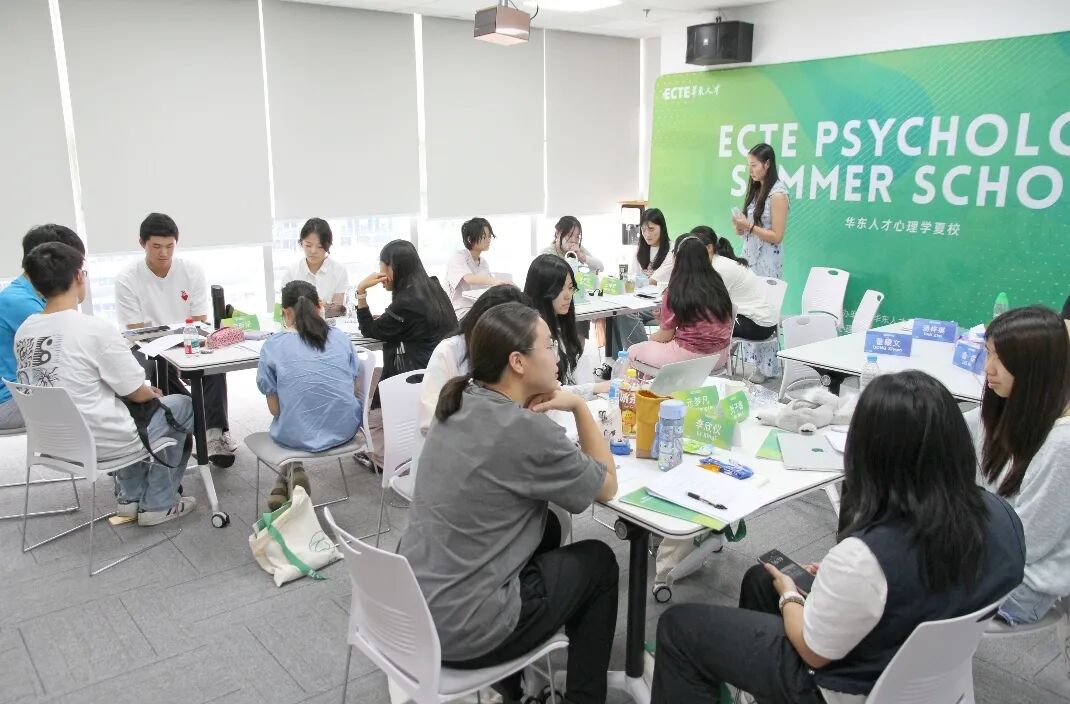
Across the week, we studied areas including social, personality and developmental psychology. I was particularly interested in the listening exercises. They made me notice how much my own thoughts can get in the way of hearing someone else.
A guitar and two conversations
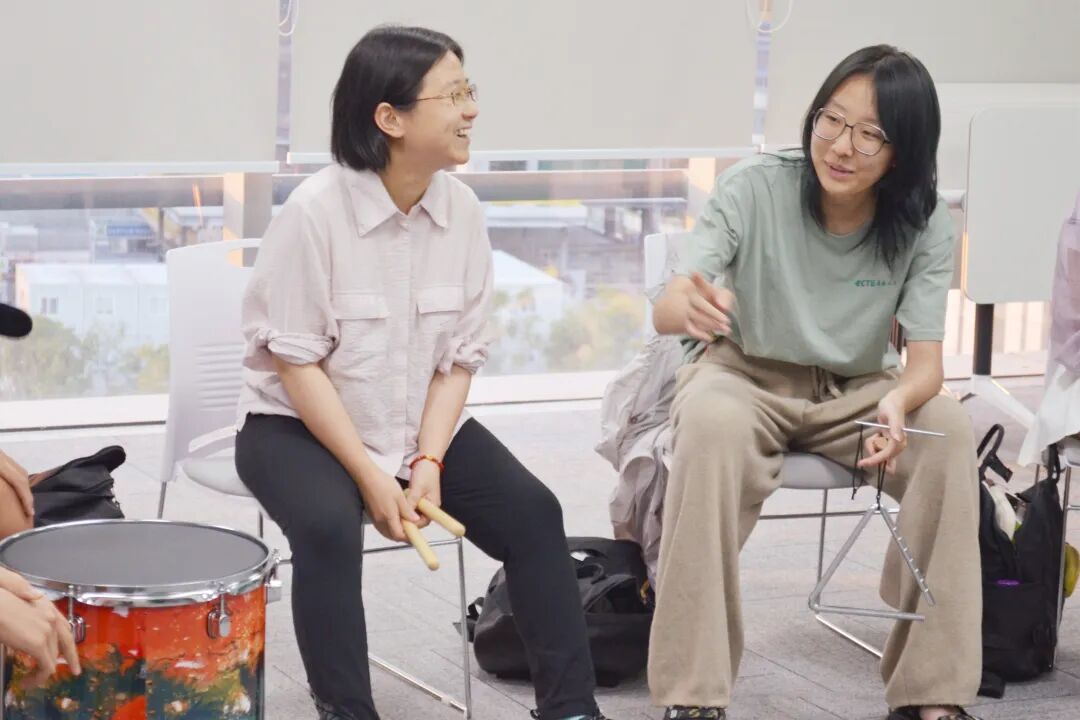
On 6 August, we visited a care home. I had prepared a guitar piece and felt nervous about playing for the residents as well as my classmates. The performance went well. People kept time with the music, and I later played another song with members of the teaching team.
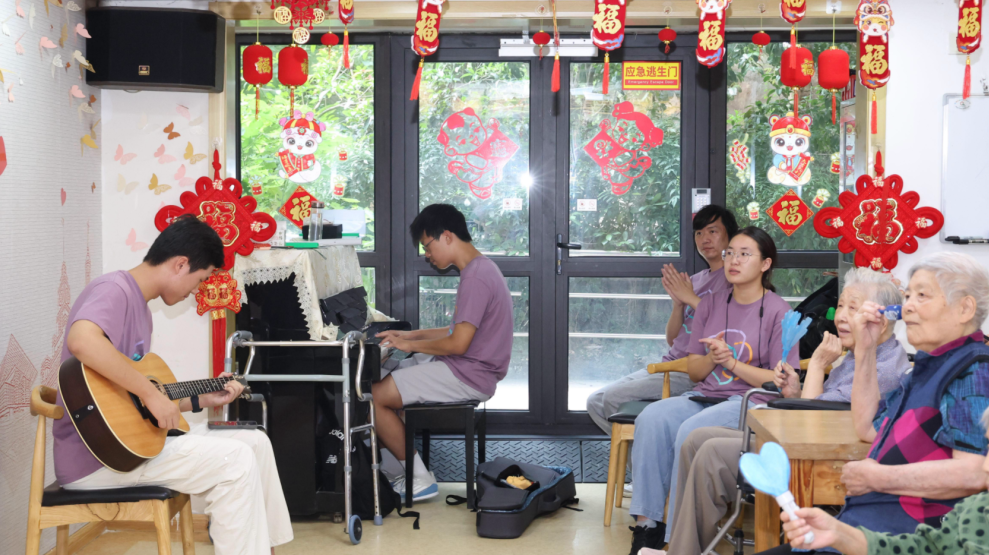
Afterwards, we sat down to talk. One woman, aged 96, told me about her years as a teacher and the changes she had lived through. It felt like hearing history from someone who had actually been there.
Another woman, in her eighties, spoke about her children being busy with work and not often able to visit. She told me that seeing me was like seeing her nephew. I was brought up by my grandmother, so that stayed with me.
I had arrived thinking about what I could perform and offer. Those conversations made me pay much more attention to the people in front of me: what they remembered, what they missed and what having someone sit with them meant.
What I am still thinking about
I tried to connect the small things that happened during the programme with wider questions about people and society. The moments I found difficult were part of that too: feeling different, feeling competitive, having to admit that I did not know as much as I thought.
Psychology gave me ways to look at those reactions more closely. It also reminded me that understanding someone takes time. A classroom discussion and a conversation at a care home can both ask the same thing of me: stop rehearsing my own answer long enough to listen.
That is something I want to keep practising.