
Art, Psychology and Health Sciences Summer School
An eight-day residential introduction to art therapy, expressive arts and health sciences, with studio work leading to a group project and portfolio.
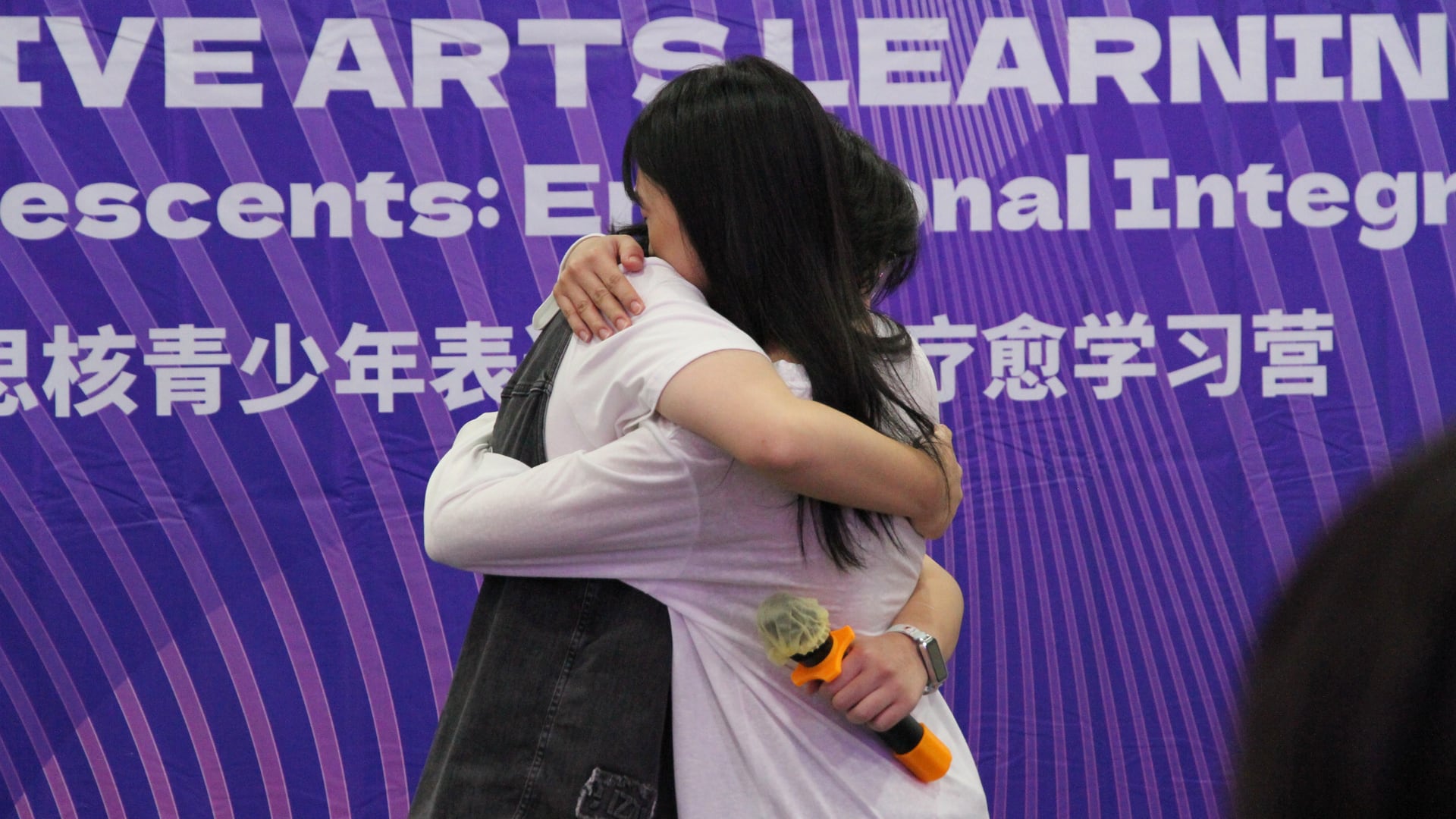
- Published dates
- 8–15 August 2026
- Duration
- 8 days / 7 nights
- Location
- Shanghai
- Who it is for
- Grades 8–12; university students may also enquire
- Language of instruction
- Mandarin Chinese
- Format
- Residential
The dates above refer to the 2026 edition. Please ask the programme team about dates for a future edition.
About the programme
Study the connections between art, psychology and health sciences in education, psychological support and health promotion. Try visual art, movement, sound and theatre, considering how each medium helps people express and understand their experiences.
The programme introduces art therapy as a possible area of university study and professional interest. Creative work, visits and health science teaching lead to a collaborative project and a portfolio documenting the process.
Organisers: East China Institute of Talent Science · T.School
What to expect
- A structured combination of creative practice, psychology and health science teaching.
- Work with different media and choose ways to participate that respect personal boundaries.
- Develop a portfolio through daily work and dedicated studio sessions.
- Consider links with art therapy, psychology, arts education, health communication, digital health and social services.
What you’ll study
Art therapy and expressive arts
An introduction to art therapy and the use of colour, materials, objects, movement and stories to reflect on experience. The sessions focus on expression and communication.
Visual expression and making
Plant printing, mandalas, collage and images of emotions. Experiment with materials and begin a collection of individual work.
Body, sound and health sciences
Learn about stress, bodily responses, breathing, rhythm and sensory regulation. Movement, drumming and sound activities provide experience of non-verbal expression and group work.
Theatre, role and narrative
Applied theatre, Playback Theatre and sociopsychodrama introduce roles, relationships and boundaries. Fictional or third-person stories and observation are available as participation choices.
Health innovation and observation
Visits and discussions consider health promotion, social support, technology, arts services and community needs. Turn observations into questions for a project.
Project and portfolio studio
Work in a group on a theme, media choice, prototype, interpretation text and presentation. Explain the question, the chosen medium and its connection with psychology and health.
Programme schedule
The outline below is subject to adjustments. Visits, venues and teaching arrangements will be confirmed in the joining information.
Arrival and introductions
Hotel check-in, orientation and programme introduction, opening ceremony and a plant-printing group activity.
Art therapy and visual expression
Introductory teaching, expressive arts, an outdoor team task, a tea-and-poetry workshop, mandala studio and a narrative board game.
Art, psychology and health technology
Planned visit to Soochow University’s collaborative innovation centre for psychological AI, facilitated groups and urban cultural observation around Eslite Bookstore and Jinji Lake.
Body, sound and health
Teaching on stress, bodily responses and emotion regulation; designing a supportive group activity; movement, sound and drum-circle workshops.
Theatre and relationships
Sociopsychodrama, applied theatre, Playback Theatre and an activity considering roles, boundaries and choices.
Health innovation and portfolio studio I
Art and health in installation, moving image and performance; health promotion and social prescribing; a planned visit and studio work on themes, materials and process records.
Project and portfolio studio II
Problem statement, media choice and prototype; tutor guidance, development of the work, labels and guide texts; an evening baking activity.
Portfolio and final presentation
Complete the portfolio, rehearse, present and guide visitors through the project, then depart.
Invited tutors
The following profiles are included in the Chinese programme information. Teaching assignments and the final tutor team are subject to confirmation.
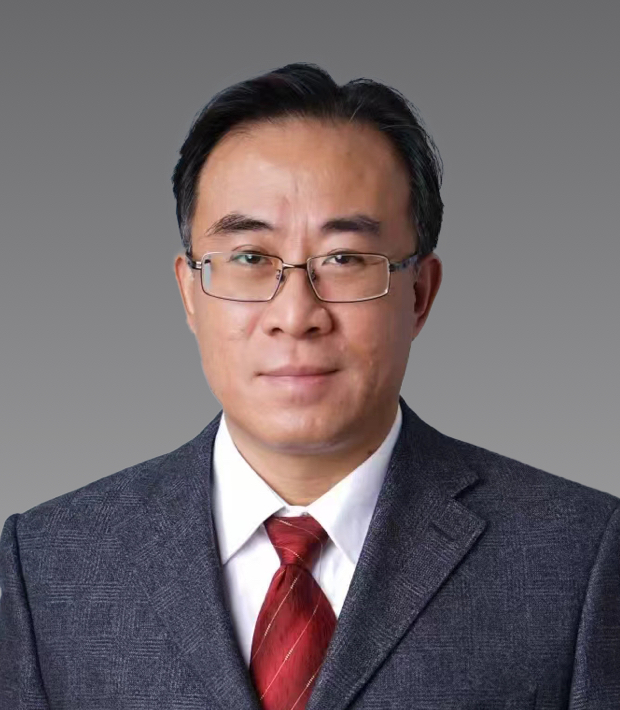
Gao Wenbin
Researcher at the Institute of Psychology, Chinese Academy of Sciences, and director of its Mental Health Promotion Research Centre. He holds a doctorate in psychology and has led national psychology outreach and psychological emergency support initiatives.
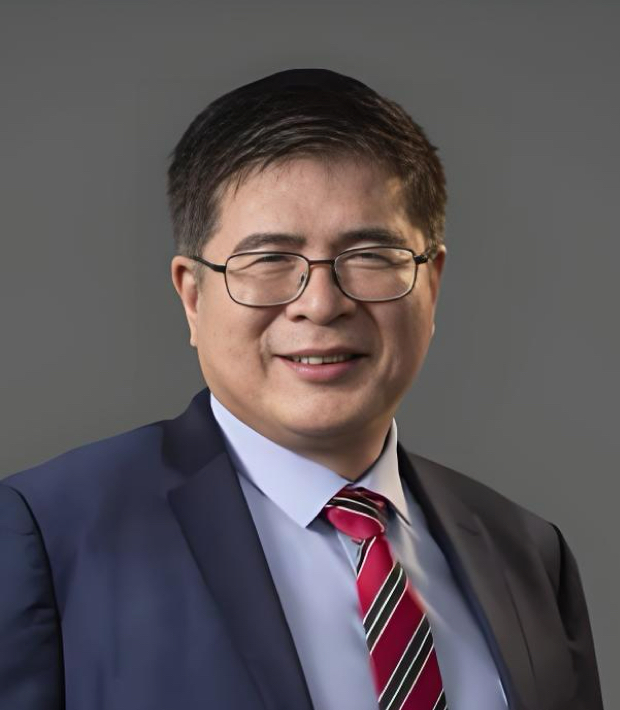
Yue Xiaodong
Holds a doctorate in educational psychology from Harvard University and is a distinguished professor at Capital Normal University. His books introduce psychological counselling to a wider readership.
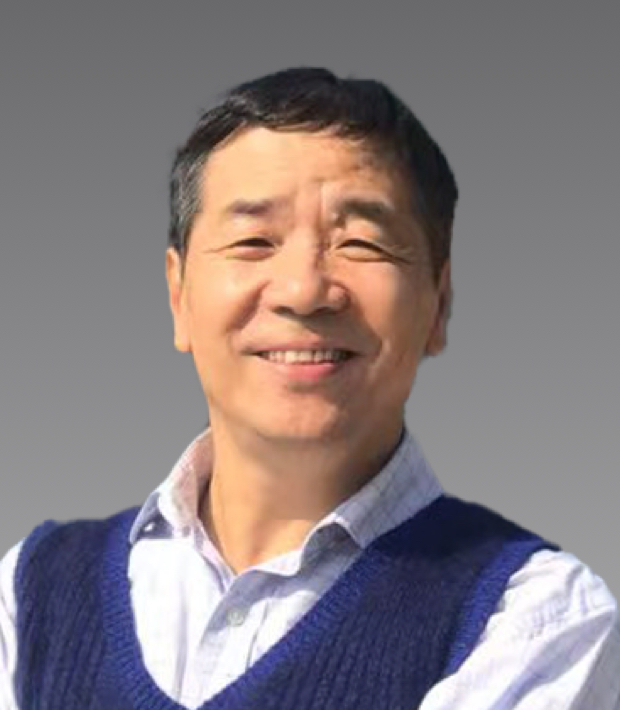
Zhang Kechuang
Professor of psychology at Shanghai University of Political Science and Law and director of its Master of Social Work education centre. He completed doctoral study in applied psychology and behavioural science at the University of Tübingen and postdoctoral research at East China Normal University. He is a vice-president of the Shanghai Association of Social Psychology.
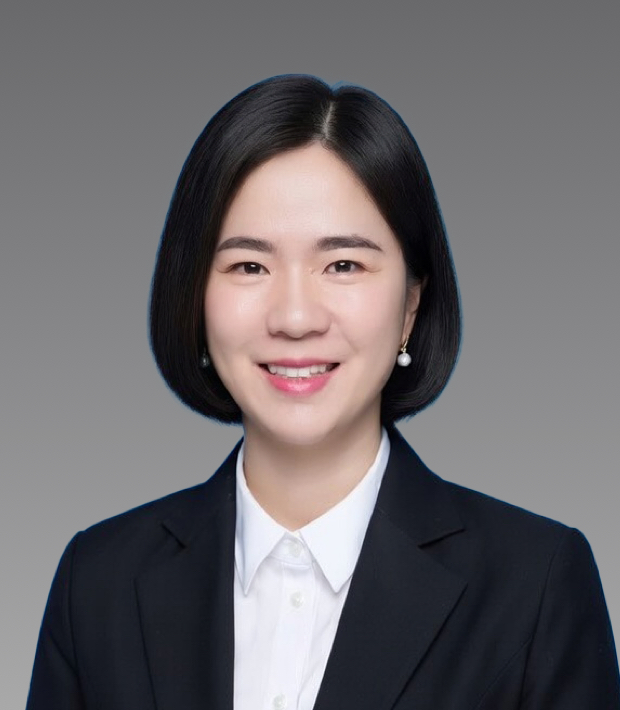
Gao Jun
Associate professor and deputy head of psychology at Fudan University, with a doctorate in psychology from Peking University. A registered clinical supervisor with the Chinese Psychological Society, she has over 7,000 hours of counselling experience.
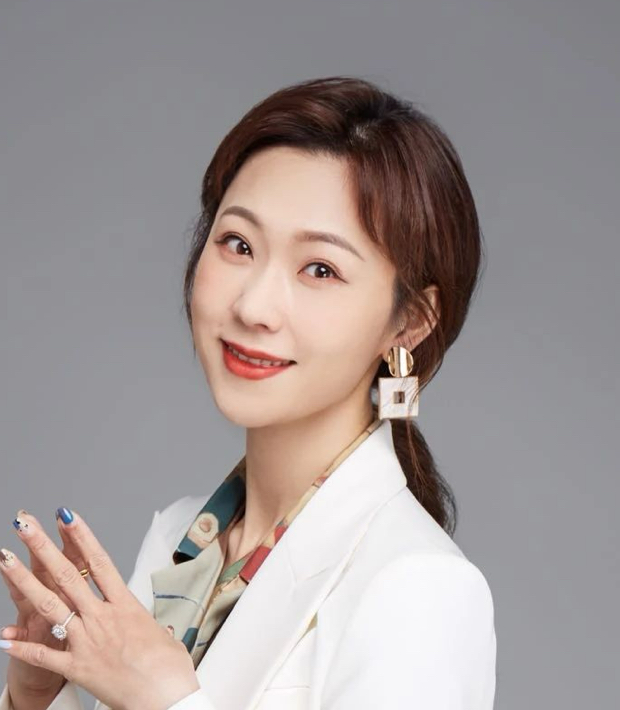
Tian Qian
Associate professor of psychology at Fudan University and deputy director of its psychology research centre. She holds a doctorate in psychology from Fudan and has completed postdoctoral research in management.
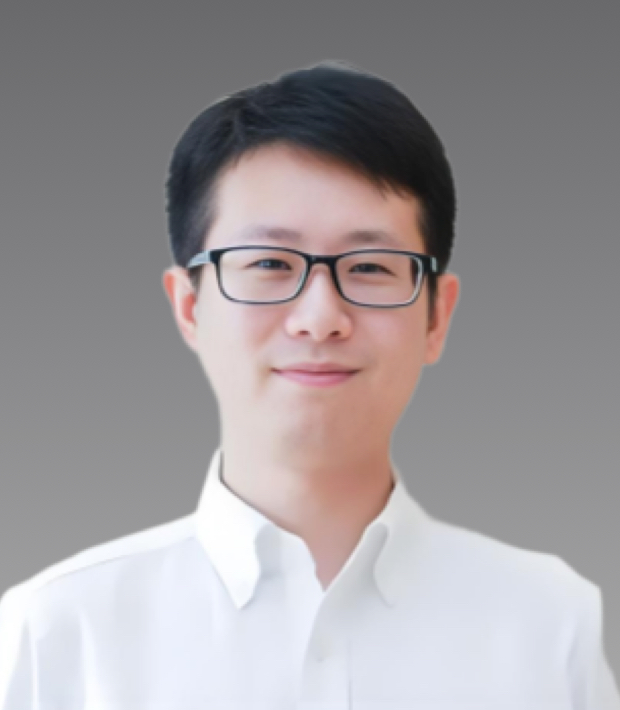
Wang Chenbo
Holds a doctorate in basic psychology from Peking University and serves on the social cognition branch of the Chinese Cognitive Science Society.
Projects and completion
- A final individual and group portfolio, project statement and presentation.
- A record of your research question, creative choices and the connections you have made with psychology and health.
How to apply
Who can apply
- Grades 8–12, with an interest in psychology, expressive arts or art therapy. University students should confirm their application route with the team.
- Students may choose observation or alternative tasks if they are sensitive to sound, movement or group expression.
- Please discuss emotional, sensory or other support needs with the programme team before applying.
Application materials
- Complete the online form with student details, a parent or guardian’s contact information and relevant previous learning or activities.
Application process
- Submit the online application.
- If offered a place, confirm acceptance and pay the required fee by the stated deadline.
- Joining instructions are sent before the programme; where specified, these are issued one week before arrival.
Teaching is in Mandarin Chinese.
Ask about a programme
Leave your contact details. A T.School programme adviser will contact you to discuss the subject, dates, preparation or application process.