
Brain and Cognitive Science Research Summer School
An eight-day research programme on attention, memory, decision-making and human behaviour. Design a study, analyse the data and present your findings.
- Published dates
- 19–26 July 2026
- Duration
- 8 days
- Location
- Shanghai
- Who it is for
- Grades 9–12
- Language of instruction
- Mandarin Chinese
- Format
- Residential, including evening activities
The dates above refer to the 2026 edition. Please ask the programme team about dates for a future edition.
About the programme
How do we study attention, memory, decisions and behaviour? This programme introduces the relationship between the brain and cognition through practical research training.
Begin with a guided experiment, then design a small group study with support from mentors and teaching assistants. As you collect and analyse data, you’ll learn to judge what the results show and where the study’s limitations lie.
What to expect
- Work through a research question, hypothesis, task design, data collection and interpretation.
- Learn to use data carefully, including discussion of uncertainty and limitations.
- Prepare a group poster or presentation, project abstract and supporting materials.
- Completion certificate, learning record and tutor feedback.
What you’ll study
Brain and cognition
Introductions to attention, memory and decision-making, cognitive experiments, and behaviour and learning in a digital environment.
Research methods
Develop a question and hypothesis; consider variables, sample size and comparison conditions; design questionnaires or behavioural tasks; address anonymity and informed consent.
EEG and brain–computer interfaces
Workshops and demonstrations introduce EEG recording, interference from blinking and muscle activity, and applications in rehabilitation, neurofeedback and educational technology.
Data and scientific communication
Clean data and use averages, proportions, standard deviation, correlation and simple group comparisons. Prepare charts, posters and a research presentation.
Research teamwork
Facilitated sessions address communication, group roles and pressure during research. Evening Research Clinics provide project support.
Programme schedule
The outline below is subject to adjustments. Visits, venues and teaching arrangements will be confirmed in the joining information.
Research orientation
Arrival, accommodation check-in and programme materials; opening ceremony and keynote.
Attention and behavioural data
Teaching on attention, memory and decisions; a guided Stroop or attention-interference experiment; review, a short concepts quiz and learning log.
Brain signals and research tools
EEG and brain–computer interface workshop; research toolkit practice and introduction to the three project tracks; group formation and initial questions.
Research proposal
Methods workshop, project brief, questionnaire or task design and pilot testing; keynote and proposal review.
Data collection
Two research sessions for behavioural tasks, online questionnaires or on-site sampling; data checks, a teamwork group and Research Clinic.
Analysis and interpretation
Data workshop, chart-making and discussion of results and limitations; a stress-management group and results review.
Preparing the presentation
Scientific communication workshop; poster or slides, abstract and presentation roles; practice presentation, rehearsal and revisions.
Final presentations
Group research presentations, tutor feedback, closing keynote, project review and departure.
Invited tutors
The following profiles are included in the Chinese programme information. Teaching assignments and the final tutor team are subject to confirmation.
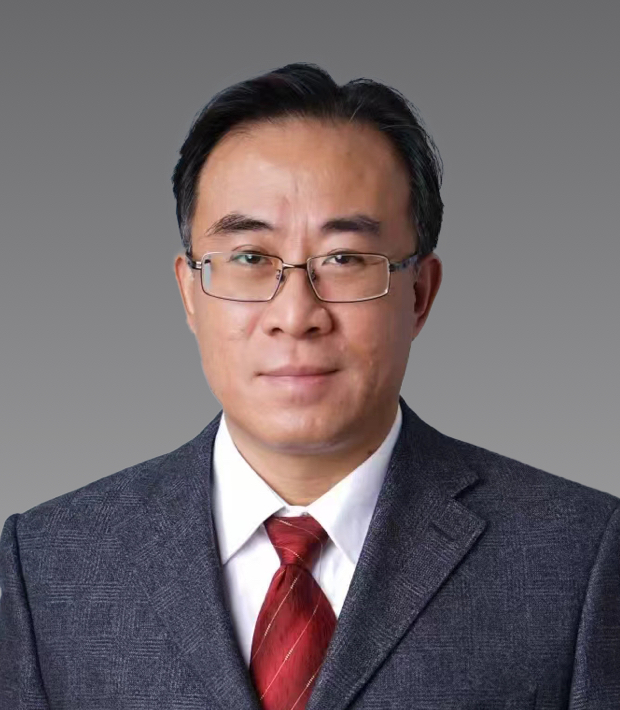
Gao Wenbin
Researcher at the Institute of Psychology, Chinese Academy of Sciences, and director of its Mental Health Promotion Research Centre. He holds a doctorate in psychology and has led national psychology outreach and psychological emergency support initiatives.

Yue Xiaodong
Holds a doctorate in educational psychology from Harvard University and is a distinguished professor at Capital Normal University. His books introduce psychological counselling to a wider readership.

Zhang Kechuang
Professor of psychology at Shanghai University of Political Science and Law and director of its Master of Social Work education centre. He completed doctoral study in applied psychology and behavioural science at the University of Tübingen and postdoctoral research at East China Normal University. He is a vice-president of the Shanghai Association of Social Psychology.
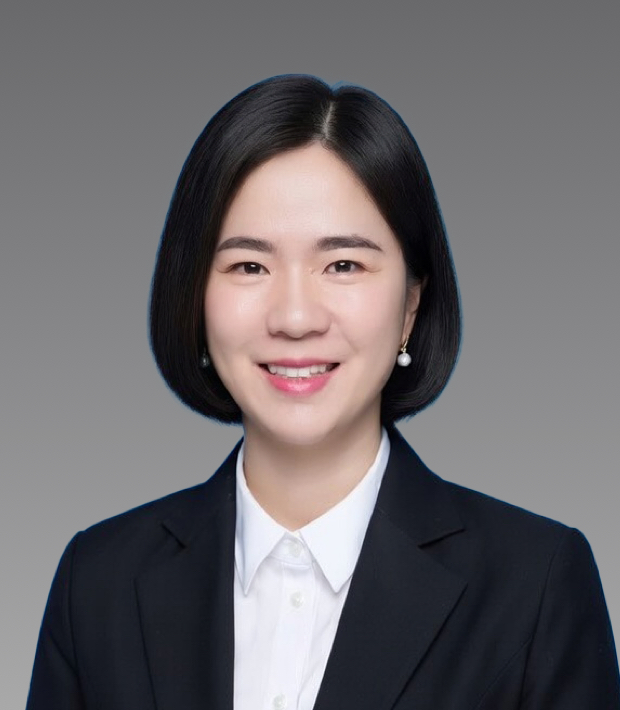
Gao Jun
Associate professor and deputy head of psychology at Fudan University, with a doctorate in psychology from Peking University. A registered clinical supervisor with the Chinese Psychological Society, she has over 7,000 hours of counselling experience.

Tian Qian
Associate professor of psychology at Fudan University and deputy director of its psychology research centre. She holds a doctorate in psychology from Fudan and has completed postdoctoral research in management.

Wang Chenbo
Holds a doctorate in basic psychology from Peking University and serves on the social cognition branch of the Chinese Cognitive Science Society.
Projects and completion
- A group research poster or slide presentation, abstract and supporting materials.
- Completion certificate and tutor feedback for students who meet attendance and core task requirements.
Work throughout the programme
Participation, discussion notes, a reading list and writing exercises.
Research proposal
Question, methods, variables and measurement, and expected results.
Final presentation
Explain the reasoning behind the study, the methods and findings, and the limits of the evidence.
How to apply
Who can apply
- Grades 9–12, with an interest in neuroscience, cognition, psychology, AI, behaviour or related medical subjects.
- Previous participation in T.School’s Psychology Summer School, or a foundation in psychology, is required.
- Readiness to record and analyse data, make charts, work closely with a group and present your findings.
Application materials
- Complete the online form with student details, a parent or guardian’s contact information and relevant previous learning or activities.
- A short statement of 500–1,000 Chinese characters explaining your interests, reasons for applying and what you hope to learn.
Application process
- Submit the online application.
- The admissions team normally completes its initial review within 3–5 working days and contacts applicants with the outcome.
- If offered a place, confirm acceptance and pay the required fee by the stated deadline.
- Joining instructions are sent before the programme; where specified, these are issued one week before arrival.
Teaching is in Mandarin Chinese.
Ask about a programme
Leave your contact details. A T.School programme adviser will contact you to discuss the subject, dates, preparation or application process.