
Interactive Media and Game Design Summer School
An eight-day daytime programme in Shanghai: combine game design and digital art to build, test and refine a playable game with your team.
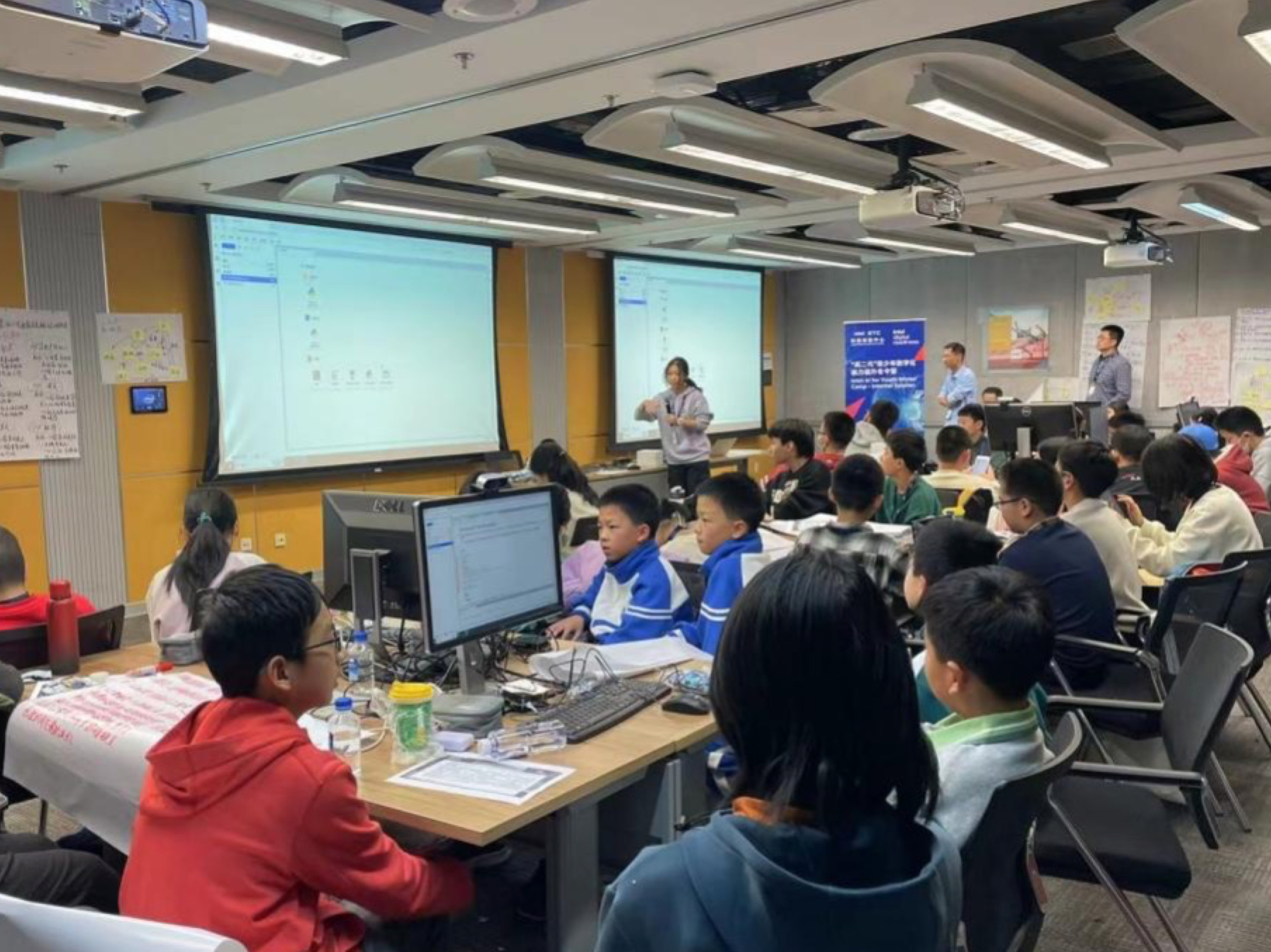
- Published dates
- 22–29 July 2026
- Duration
- 8 days · 09:00–17:00
- Location
- Shanghai
- Who it is for
- Grades 6–12 · approximately ages 11–18
- Language of instruction
- Mandarin Chinese
- Format
- Non-residential daytime programme
The dates above refer to the 2026 edition. Please ask the programme team about dates for a future edition.
About the programme
Build a small original game or interactive work, from the first idea to a playable version. You’ll combine game engine skills, visual design, narrative and interaction while working as part of a development team.
Software sessions, visits and project reviews introduce the different roles in game production. Your playable work, design notes and revisions give you material to discuss in a portfolio or future application.
What to expect
- Combine programming logic, art and narrative in one project.
- Take an original idea through prototyping, playtesting and revision, with agreed roles for each team member.
- Visit a game company, interactive media organisation or relevant exhibition, subject to final arrangements.
- Prepare a playable demo and records of the design process.
What you’ll study
Game design and ideas
Study game engines, level design, narrative and uses of AI. Analyse examples such as platform and card games to understand design choices and interaction.
Tools and development
Practise character controls, scene-building and level design. Divide programming, artwork and planning tasks among your team, then bring them together in a playable prototype.
Industry and careers
Meet practitioners and learn about production roles and industry developments. Use reviews and testing to consider the audience for your work.
Programme schedule
The outline below is subject to adjustments. Visits, venues and teaching arrangements will be confirmed in the joining information.
Orientation
Registration, safety briefing and group introductions for the daytime programme.
Technology and art in games
Opening session and introduction to game design.
Careers and learning through games
Careers talk on roles beyond programming, followed by a game-based learning workshop.
Building the game
Game engine frameworks, characters and environments.
Industry and interaction
Company visit and work on levels, scene exploration and interactive design.
Advanced level design
Museum visit, game challenges, narrative and AI in development.
Testing and revision
Play-testing, debugging, tutor feedback and optimisation.
Project showcase
Prepare and present the group project, receive practitioner feedback and run a play-testing session.
Invited tutors
The following profiles are included in the Chinese programme information. Teaching assignments and the final tutor team are subject to confirmation.
Fang Yan
Game producer, founder of the UGDAP university game development network and Hit Academy. A graduation project tutor in game design at China Academy of Art, indiePlay competition judge and organiser and curator of CUSGA, with experience across game education and independent development.
Li Qiansheng
Professor and postgraduate supervisor at Shanghai Academy of Fine Arts, Shanghai University, where he leads digital art and a data innovation studio. A former visiting scholar at the MIT Media Lab, his work includes data visualisation, public art and the digital preservation of cultural heritage, with publications and projects in these fields.

Hans Uitdenhouwen
CEO of Reality Group, with a master’s degree in cultural management from the University of Antwerp and over 25 years of experience in immersive entertainment, brand storytelling and international production. His work combines creative direction, technology and experiential events.

John Brumley
Assistant arts professor in Interactive Media Arts at NYU Shanghai. Holds a doctorate from the University of Tsukuba, an MFA in Design Media Arts from UCLA and an undergraduate degree in music composition from UC Davis. His work includes game engines, spatial audio and experimental toolkits.
Zhang Xingchen
Interactive Media Arts practitioner and teacher at NYU Shanghai, with a doctorate from Shanghai University and previous visiting research at UC San Diego’s game laboratory. His industry experience spans technical direction, art direction, project management and 3D production, including AR and VR.
Projects and completion
- A playable original game demo or interactive group work.
- A short game design document, level sketches, iteration records and a project poster or trailer.
- Completion and partner certification documents, tutor feedback and project awards as listed in the programme information; confirm issuing arrangements with the team.
How to apply
Who can apply
- Grades 6–12, with an interest in game design or interactive art.
- No previous programming experience is required. Basic logical thinking or experience of creative work is helpful.
- Readiness to take part in group learning and collaborative development.
Application materials
- Complete the online form with student details, a parent or guardian’s contact information and relevant previous learning or activities.
- A short statement of 200–300 Chinese characters explaining your interests, reasons for applying and what you hope to learn.
Application process
- Submit the online application.
- The admissions team normally completes its initial review within 5 working days and contacts applicants with the outcome.
- If offered a place, confirm acceptance and pay the required fee by the stated deadline.
- Joining instructions are sent before the programme; where specified, these are issued one week before arrival.
Teaching is in Mandarin Chinese.
Ask about a programme
Leave your contact details. A T.School programme adviser will contact you to discuss the subject, dates, preparation or application process.