
Drama and Expressive Arts Summer School
Six days of applied theatre and expressive arts at Nanjing University, using stories, movement and improvisation to create work for a public presentation.
- Published dates
- 13–18 July 2026
- Duration
- 6 days
- Location
- Gulou Campus, Nanjing University
- Who it is for
- Secondary school and university students
- Language of instruction
- Mandarin Chinese
- Format
- Residential, including evening activities
The dates above refer to the 2026 edition. Please ask the programme team about dates for a future edition.
About the programme
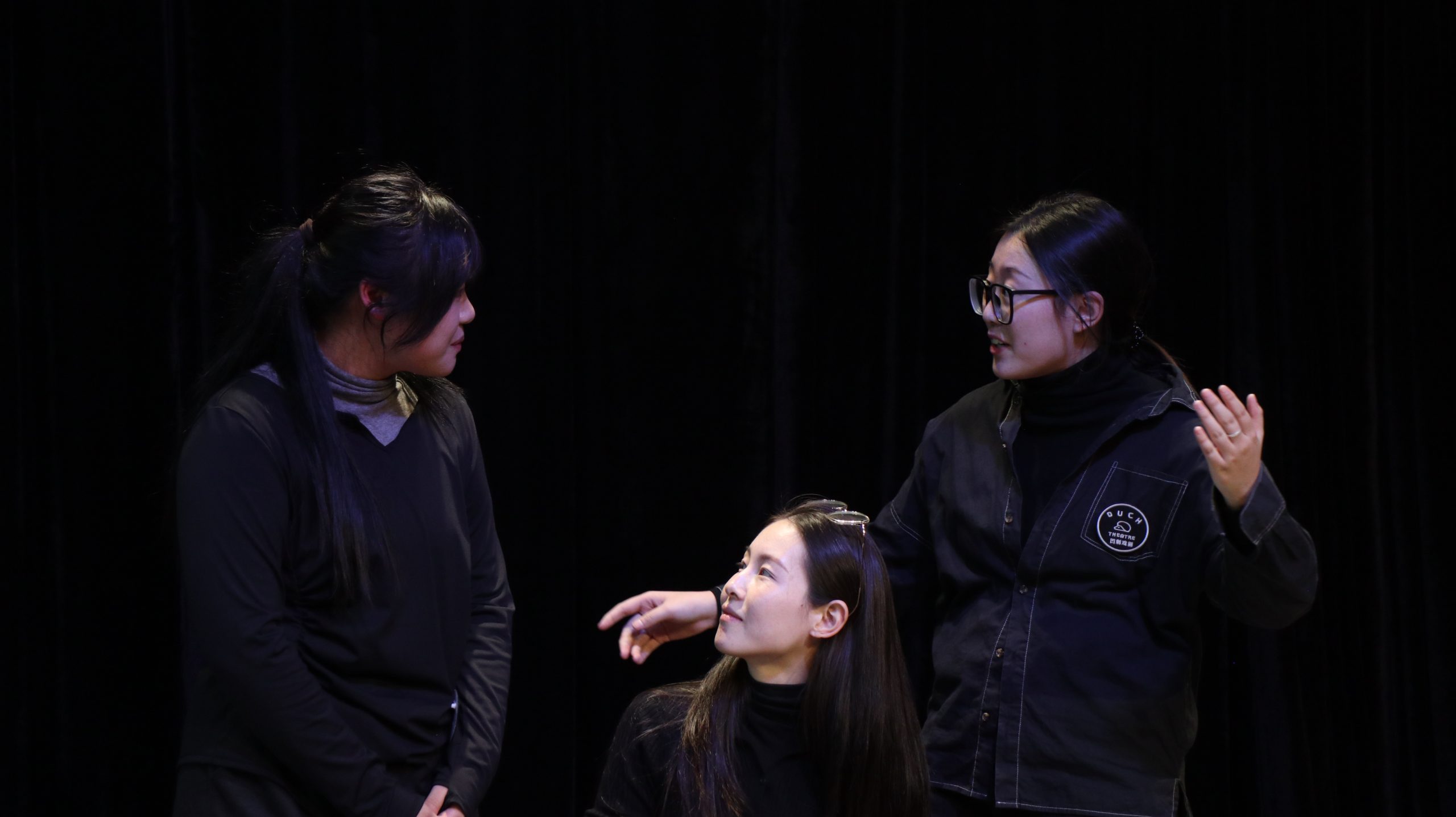
At Nanjing University, use stories, movement, objects and improvisation to create theatre and artwork with other students. Workshops in Playback Theatre, object theatre, psychodrama and expressive arts lead towards an end-of-course showcase.
The emphasis is on participation, listening and collaborative creation. You’ll consider how theatre and the arts are used in education and psychological support, while working within clear personal and group boundaries.
Organisers: T.School, East China Institute of Talent Science · OuchTheatre
What to expect
- Create a personal story, artwork, theatre scene or contribution to the final showcase.
- Practise listening, planning, working with others and presenting to an audience.
- Experience learning and residential life on a university campus.
- Completion certificate and a record of creative or project work; selected students may receive a recommendation letter.
What you’ll study
Applied theatre
Use role-play, storytelling, improvisation and movement to consider situations, express feelings and try different responses. Sessions introduce the use of theatre in education, social services and psychological support.
Expressive arts
Work with images, movement, sound, writing and objects to express and reflect on experience. The process matters as well as the finished work.
Playback Theatre
A form developed by Jonathan Fox and Jo Salas in New York in 1975. Participants share feelings or personal stories, which performers respond to through movement, sound or short improvised scenes.
Object theatre
Use everyday objects as characters or symbols, considering how familiar things can carry memories and emotions.
Psychodrama
An action-based group approach developed by Jacob L. Moreno. Role reversal and re-enacted scenes provide ways to consider relationships and different responses.
Programme schedule
The outline below is subject to adjustments. Visits, venues and teaching arrangements will be confirmed in the joining information.
Arrival and introductions
Apartment check-in, campus walk, opening ceremony and introductory group activities.
Stories and expression
Playback Theatre and improvisation workshops, followed by reflection and the group project brief.
Learning outdoors
Herb and scent activities, making lunch together, plant printing, a practical cooking activity and an evening meal and reflection.
Expressive arts
Object theatre, a Life Tree expressive arts group and an arts-based activity market.
Developing the work
Further Playback Theatre, an introductory psychodrama session and exhibition-making practice.
Final presentation
Complete the exhibition work and take part in the performance showcase and activity fair.
Invited tutors
The following profiles are included in the Chinese programme information. Teaching assignments and the final tutor team are subject to confirmation.
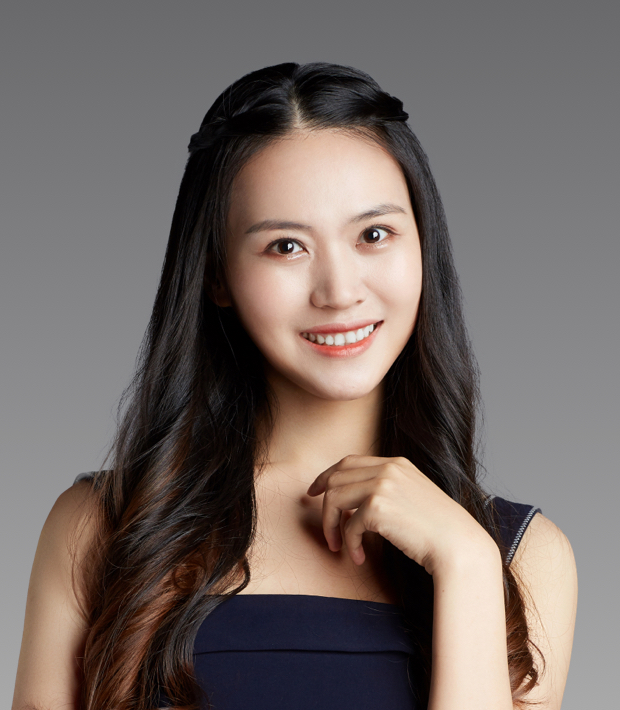
Dou Chenqian
Programme designer and founder of OuchTheatre. Holds an MA in Applied Theatre from the Royal Central School of Speech and Drama, University of London, and an undergraduate degree in directing from Nanjing University of the Arts. A supervised psychodrama practitioner (S.P.) and professional member of IEATA, with over 2,000 hours of workshop facilitation and teaching experience in several countries.
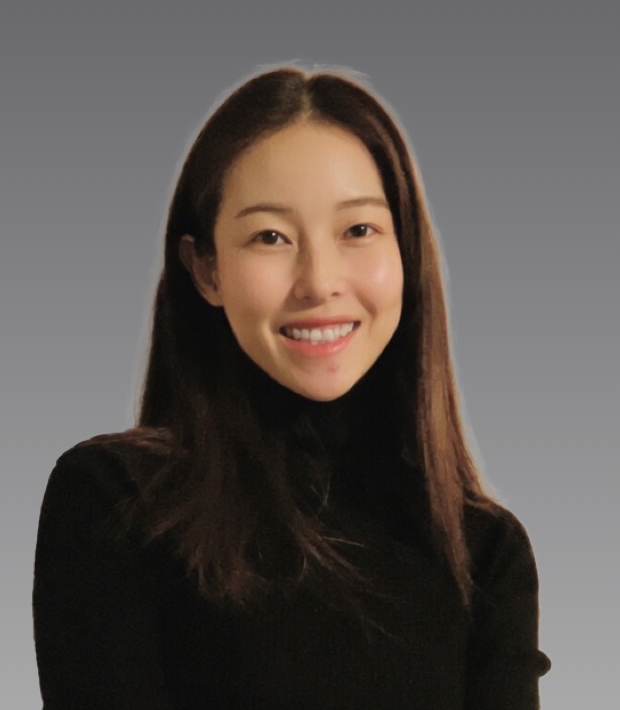
Guo Yibing
Theatre practitioner with a master’s degree in drama and film studies from Nanjing University. Experience includes acting, writing, directing and voice work, with previous performance roles at Mahua FunAge and Taiwan’s Little Star Children’s Theatre. Leads OuchTheatre, a member company of the International Playback Theatre Network.
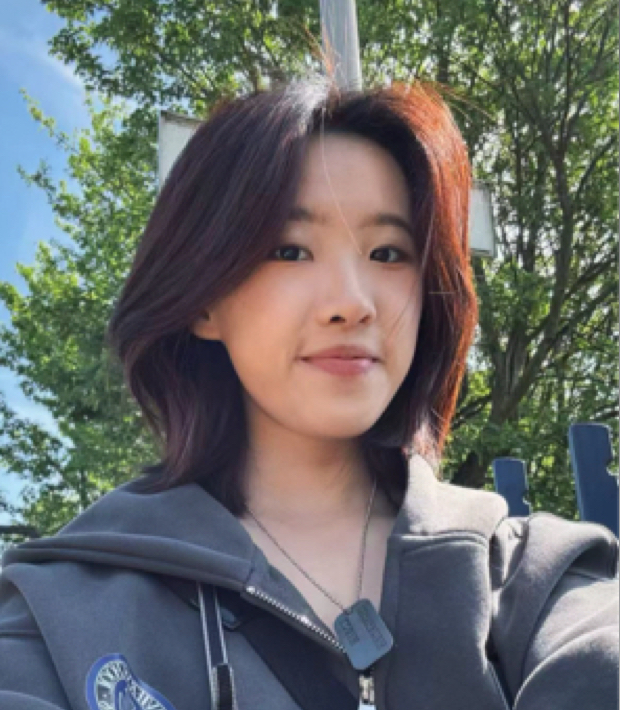
Ellie
Holds an undergraduate degree in English from Nanjing University and a postgraduate qualification in clinical psychotherapy from King’s College London. A psychotherapist at Nanjing Brain Hospital, expressive arts practitioner and Playback Theatre performer.
Projects and completion
- An individual creative work or contribution to a collaborative theatre or exhibition project.
- A final showcase, completion certificate and record of project experience.
How to apply
Who can apply
- The school-student application route lists Grades 8–12. University students should confirm their eligibility with the programme team.
- An interest in psychology or expressive arts, willingness to work independently and with a group, and readiness for residential activities.
Application materials
- Complete the online form with student details, a parent or guardian’s contact information and relevant previous learning or activities.
- A short statement of 200–300 Chinese characters explaining your interests, reasons for applying and what you hope to learn.
Application process
- Submit the online application.
- The admissions team normally completes its initial review within 3–5 working days and contacts applicants with the outcome.
- If offered a place, confirm acceptance and pay the required fee by the stated deadline.
- Joining instructions are sent before the programme; where specified, these are issued one week before arrival.
Teaching is in Mandarin Chinese.
Ask about a programme
Leave your contact details. A T.School programme adviser will contact you to discuss the subject, dates, preparation or application process.